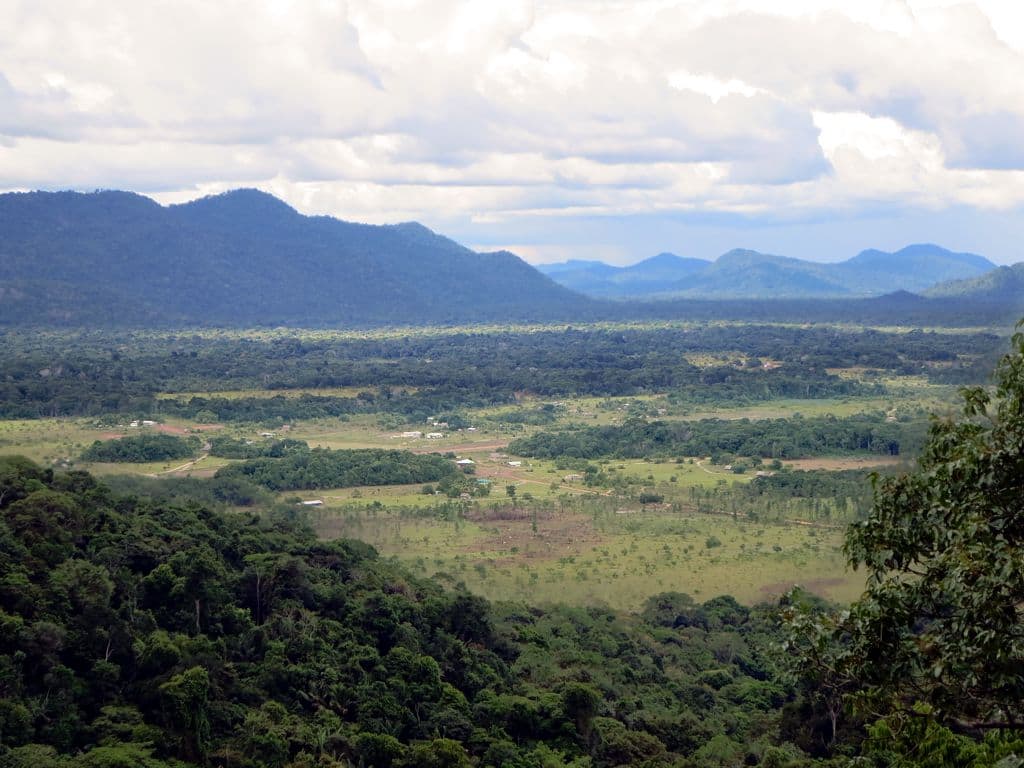
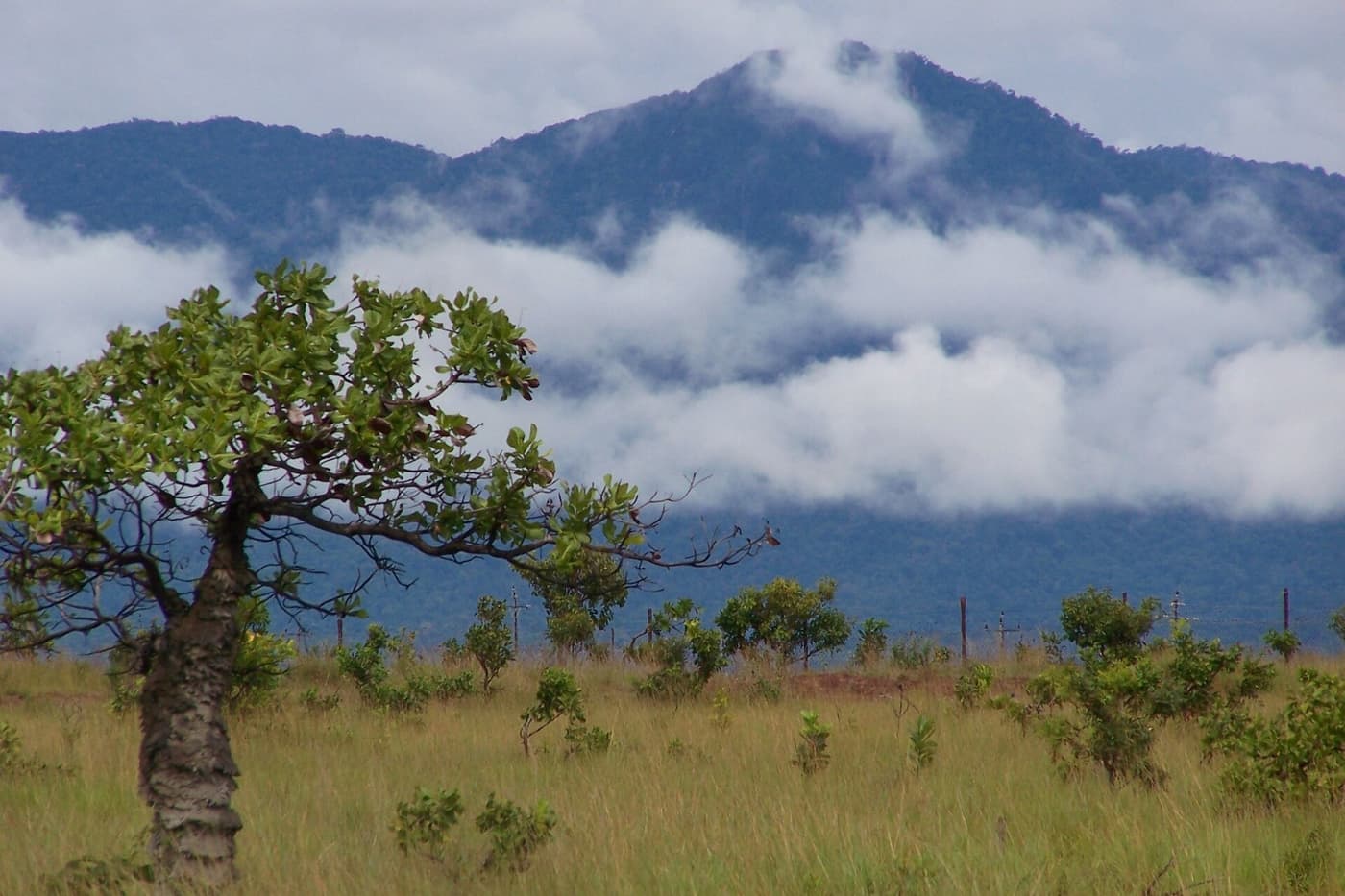
The north Rupununi — Karanambu, Yupukari, Rewa — is wetter, more wooded and the best for river wildlife. The south, beyond the Kanukus, is drier, emptier ranch country.
1 Karanambu
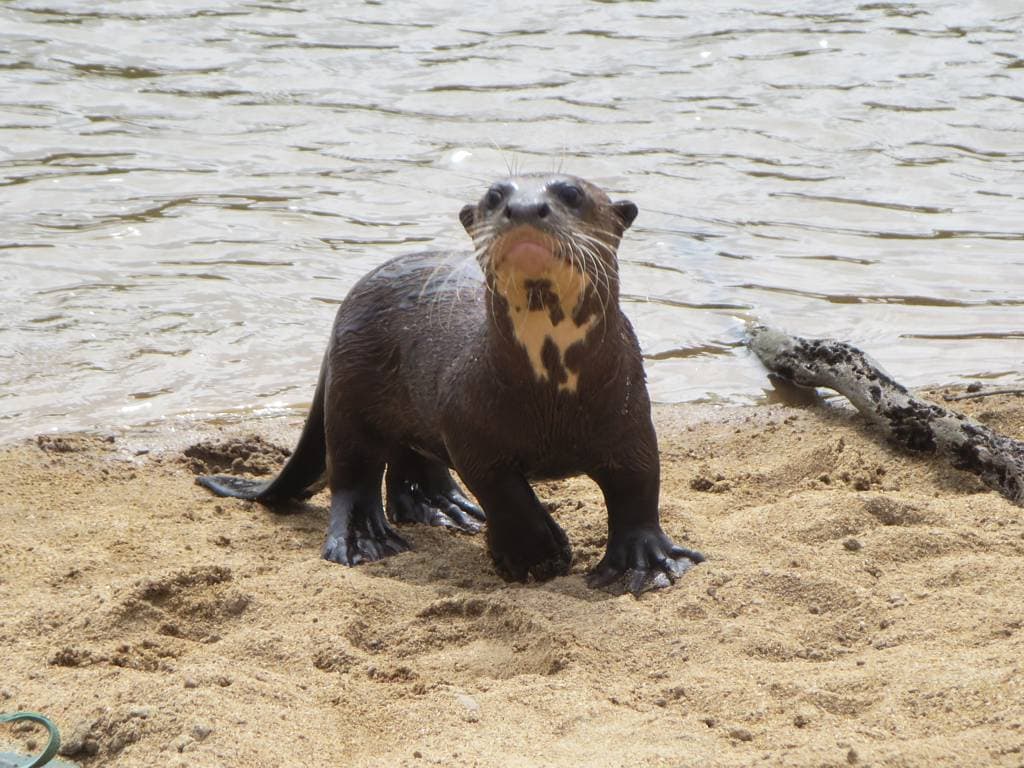
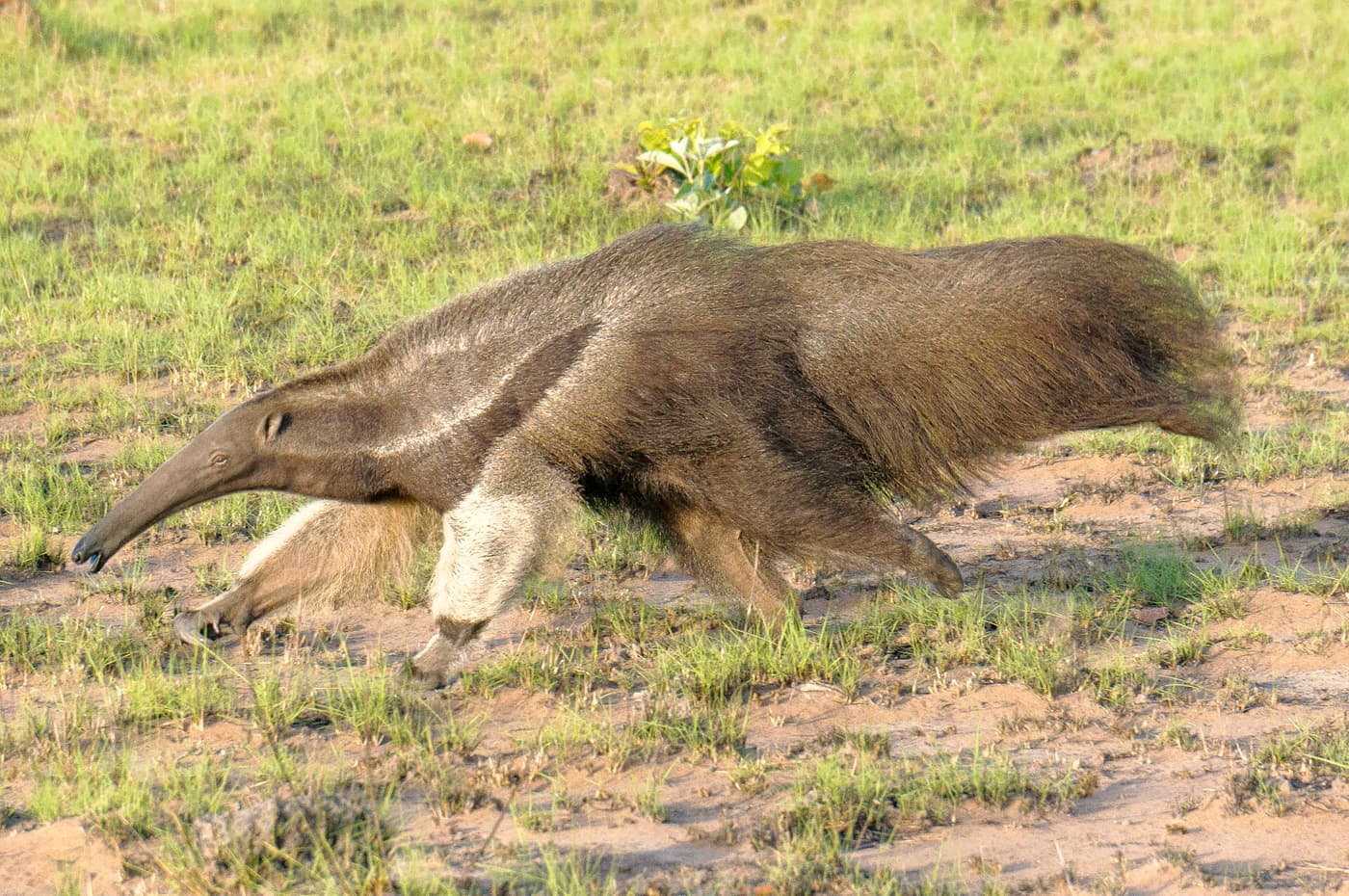
A former cattle ranch on the Rupununi River, now a lodge and conservation trust. Days begin with a drive to find giant anteaters and end on a pond where Victoria amazonica flowers open at nightfall. In between are boat trips for giant otters, black caiman, jabiru storks and river turtles. The otter rehabilitation work begun by Diane McTurk continues when orphans arrive.
Practical: Minimum two nights; three is better. Own airstrip; also reached by boat or 4x4 according to season.
2 Caiman House, Yupukari
A Makushi village on a rise above the river, with a guesthouse and field station that fund a public library and craft enterprises. The black caiman study invites guests on to the river at night; by day there are village walks, birding and boat trips.
Practical: One or two nights. About an hour by boat from Karanambu, or by road from Lethem in the dry season.
3 Rewa
Where the Rewa River meets the Rupununi, a small village runs an eco-lodge known for arapaima, giant otters and unbroken forest. Guests climb Awarmie Mountain for the view, visit a lily-covered pond at dusk, and travel upriver to rapids and sandbanks where few people go.
Practical: Two to four nights. Reached by boat from Kwatamang landing near Annai in 2–4 hours depending on water level.
4 The Rupununi River
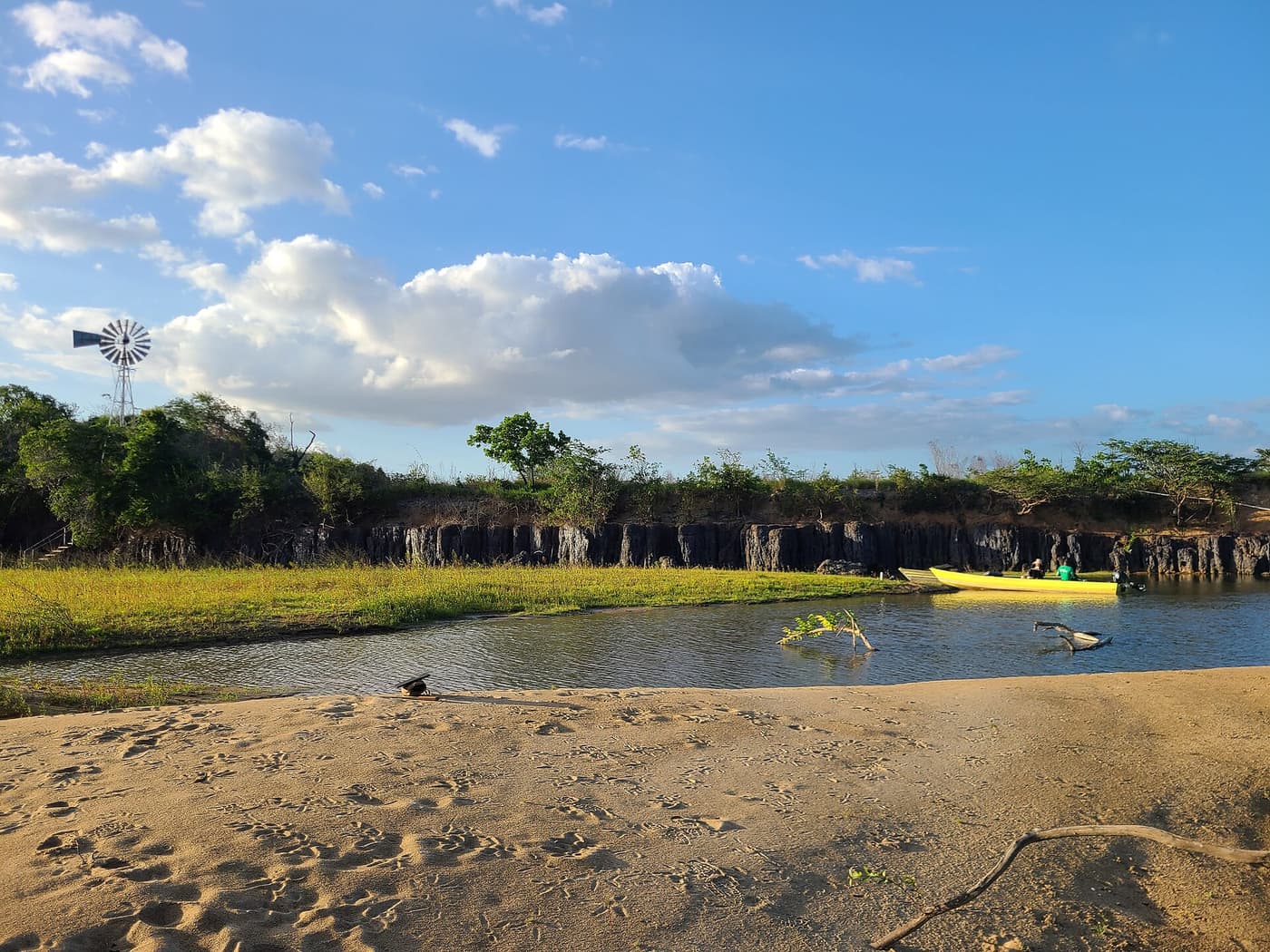
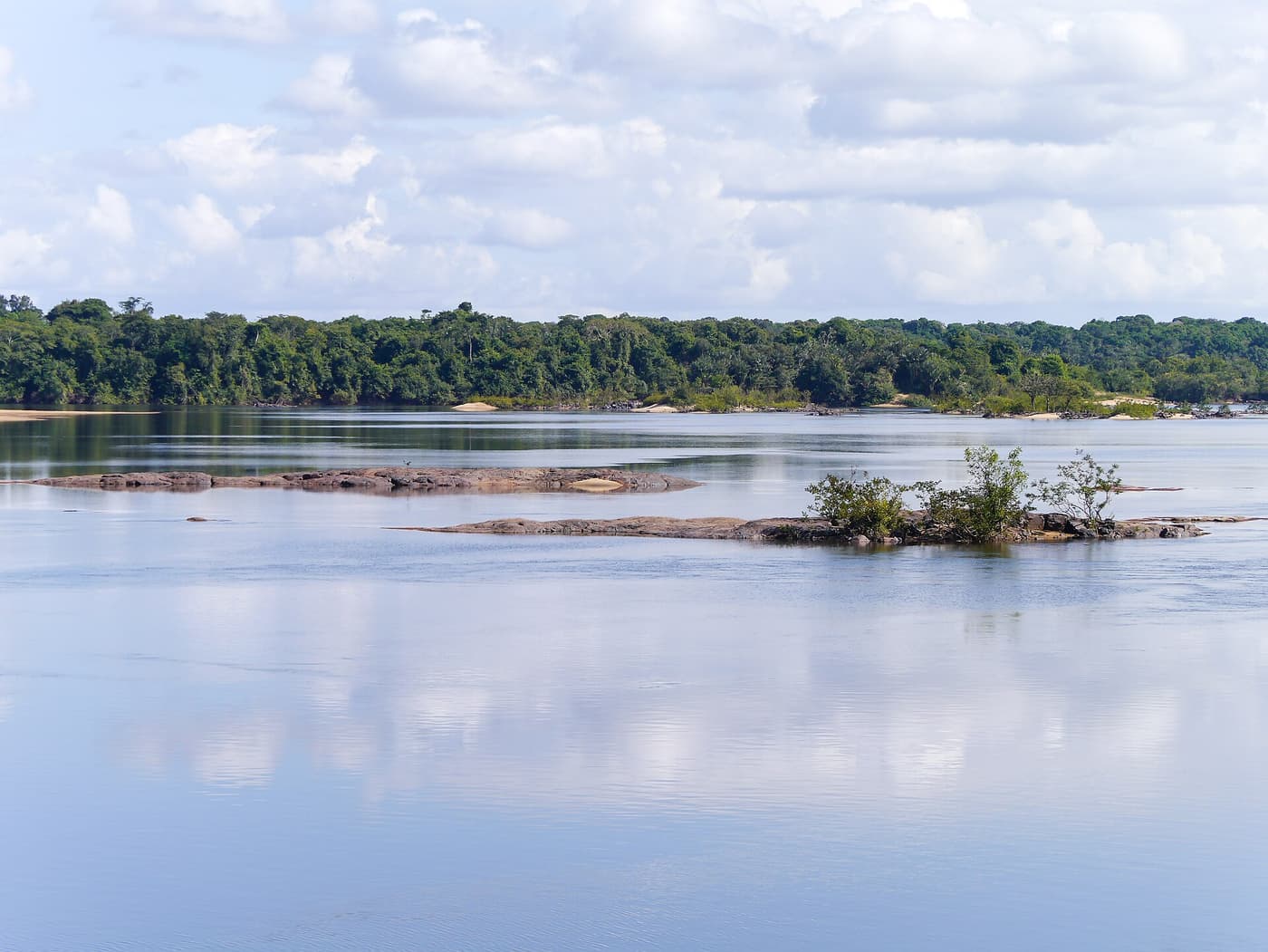
The thread that links the lodges. In the dry season it shrinks to pools and sandbanks crowded with birds and caiman; in the rains it spreads across the savannah. Travelling between lodges by boat is one of the pleasures of a trip here.
Practical: Lodge boats only. Sun protection essential.
5 Dadanawa and the south Rupununi
Dadanawa was once reckoned among the largest cattle ranches in the world and still works cattle on horseback. Guests ride or drive out with the vaqueros, look for the rare red siskin and explore rock carvings and the forest edge of the Kanukus.
Practical: Two or three nights. About 3 hours by 4x4 from Lethem in the dry season; difficult in the rains.
6 Lethem
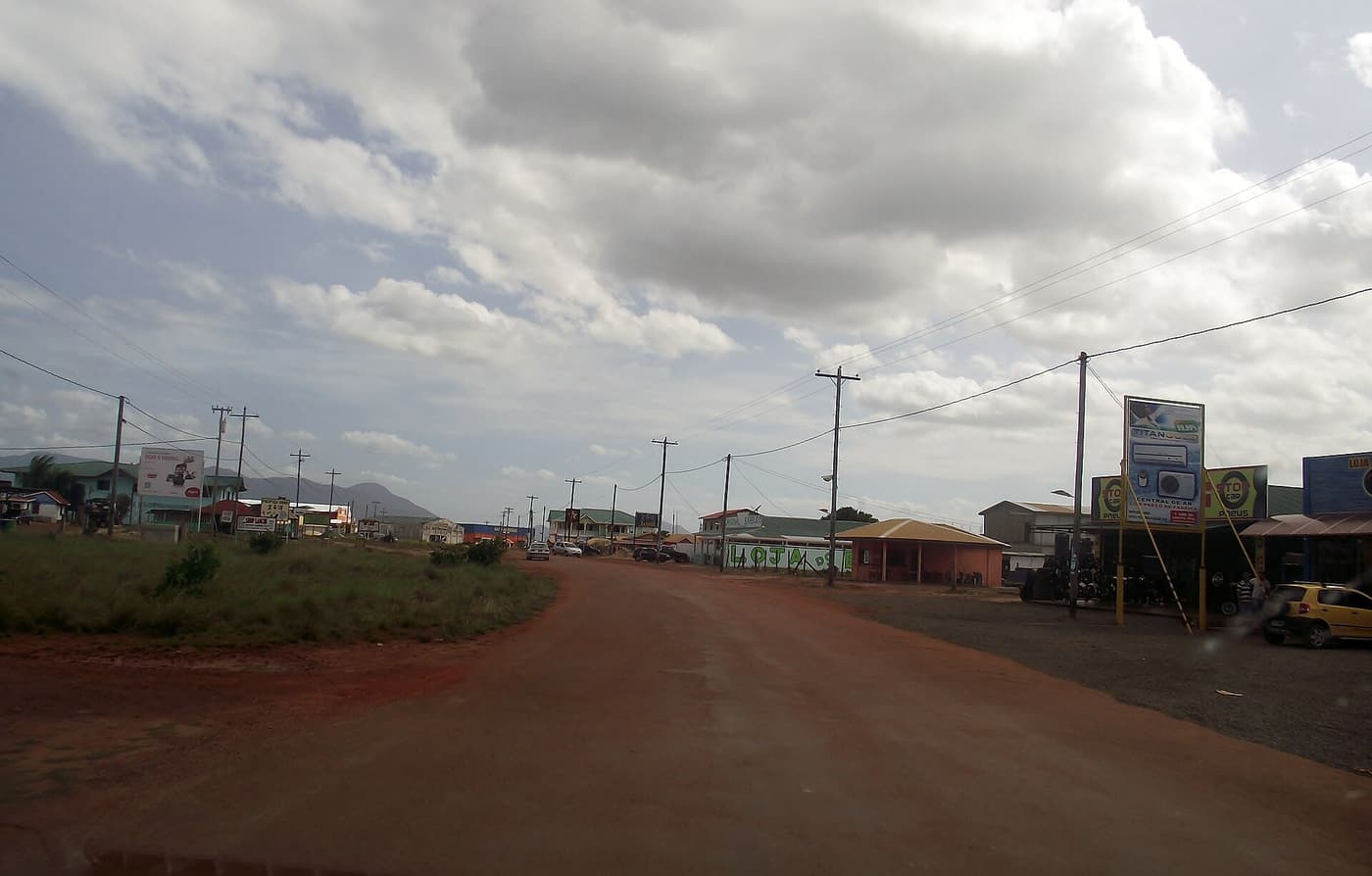
A spread-out frontier town of wide red streets, with supermarkets, Brazilian snack bars and the airstrip at its centre. Nearby are the Wapishana village of St Ignatius, Moco Moco and Kumu falls at the foot of the Kanukus, and craft cooperatives selling balata and cotton work.
Practical: A night or two before or after flights and the border.
7 The Rupununi Rodeo
Over the Easter weekend, ranch hands from across the savannah compete in Lethem at bronc and bull riding, wild-cow milking and roping, followed by food stalls and dancing late into the night. It is the biggest event of the Rupununi year.
Practical: Easter Saturday to Monday. Entry fee. Flights and rooms sell out months ahead.
8 The Takutu bridge and Bonfim
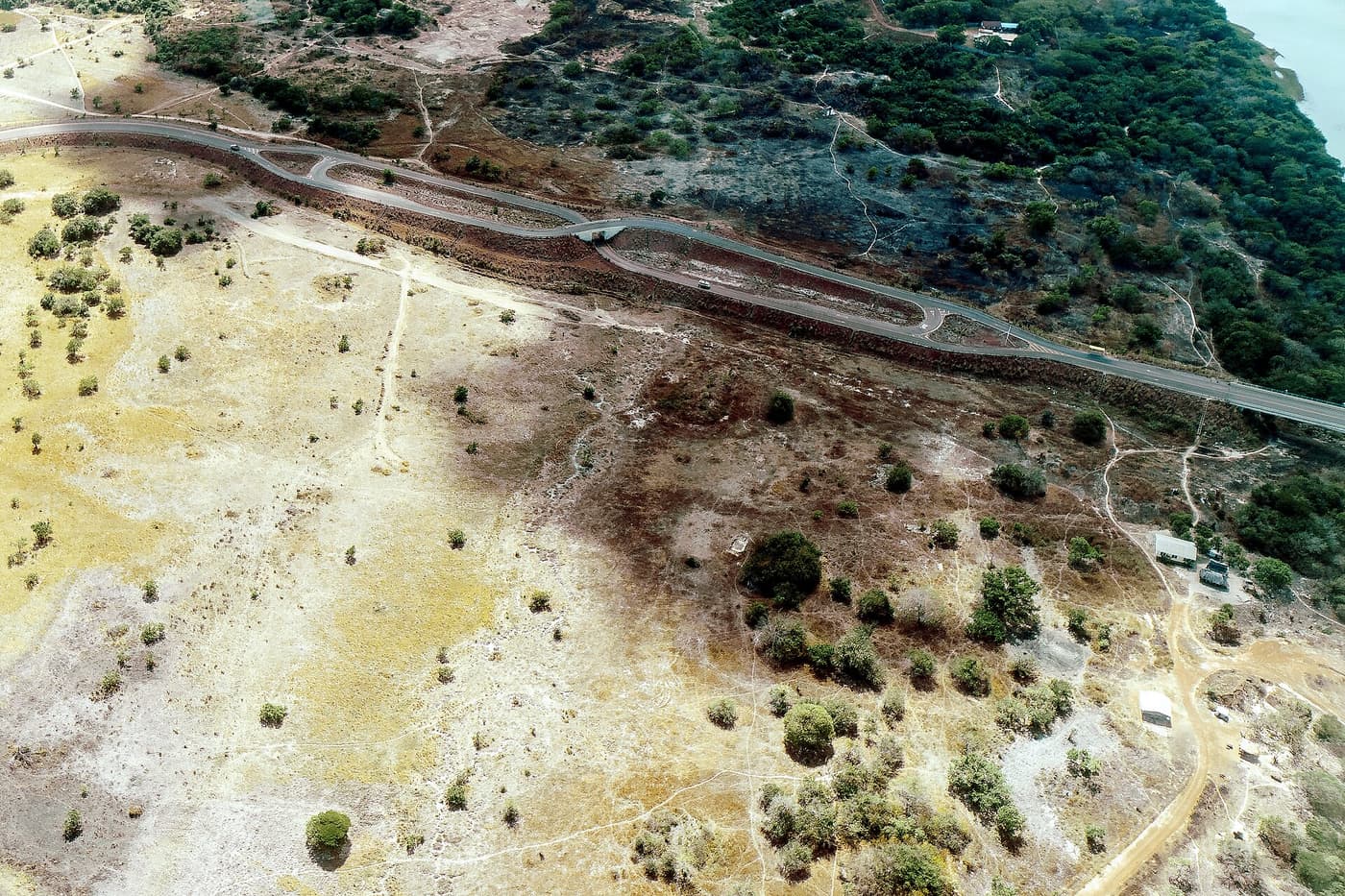
The bridge across the Takutu River to Brazil is famous for its crossover, where traffic switches from the left side of the road to the right. Bonfim, on the far bank, is a quiet town with buses and shared taxis to Boa Vista.
Practical: A few minutes by taxi from Lethem. Carry your passport; formalities are completed on both sides.
Guided tours: The Rupununi Savannah
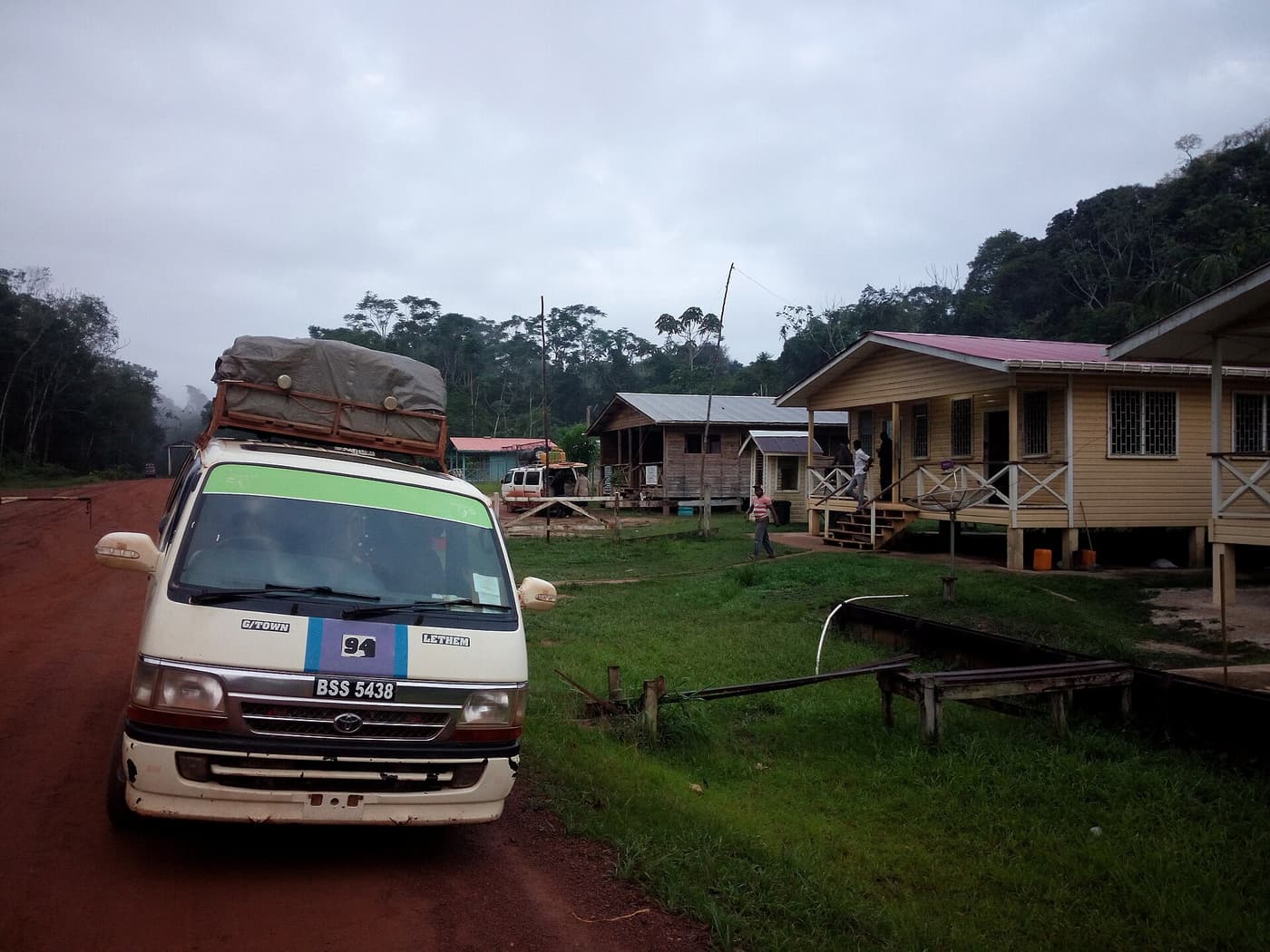 Multi-day tour from €1767
 Guyana to Brazil: 10-Day Overland Tour with Accommodation
A ten-day package starting in Georgetown and travelling overland to Brazil, with accommodation included. Read the day-by-day programme on the listing carefully to see exactly what is covered before you commit.