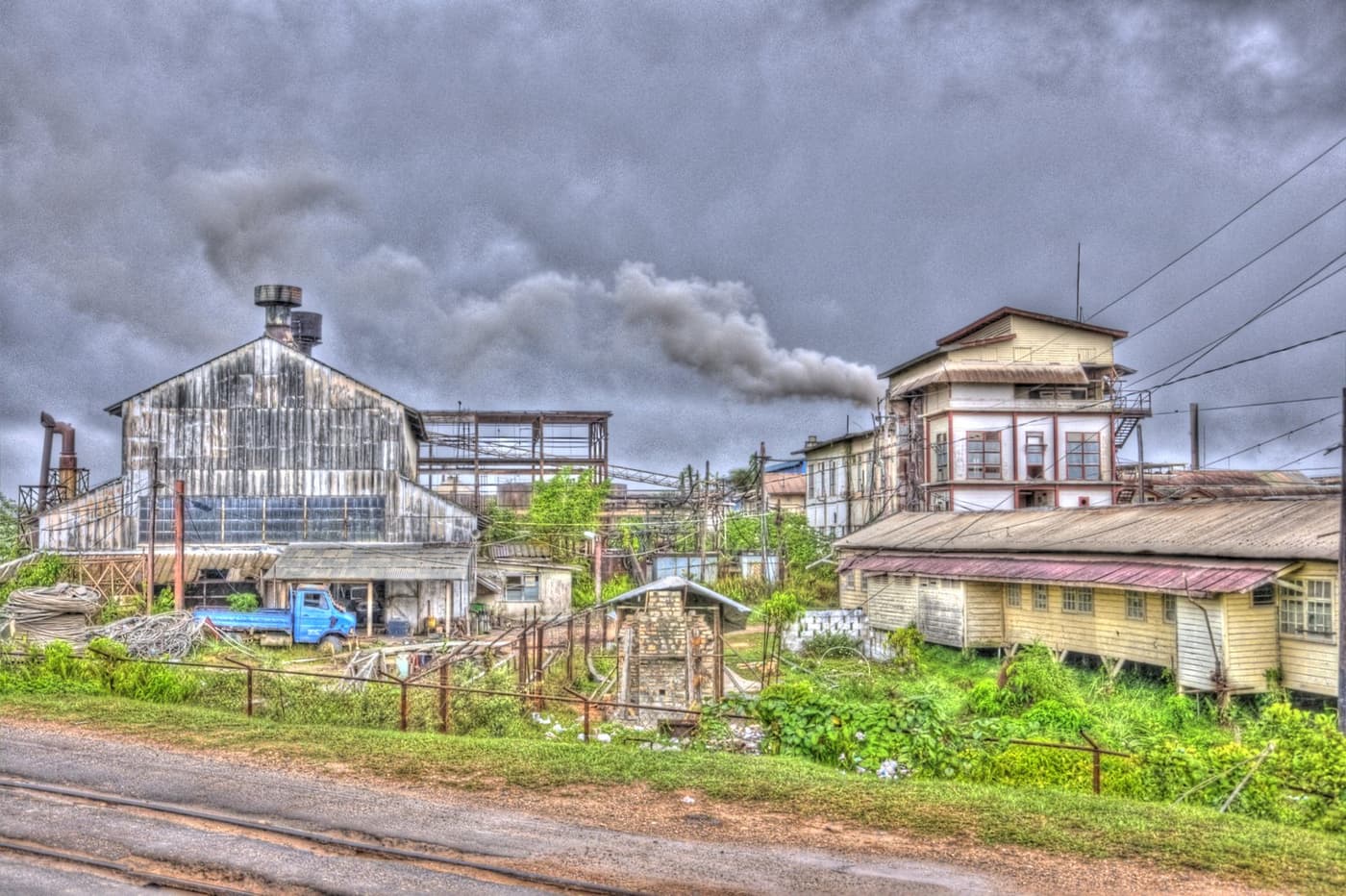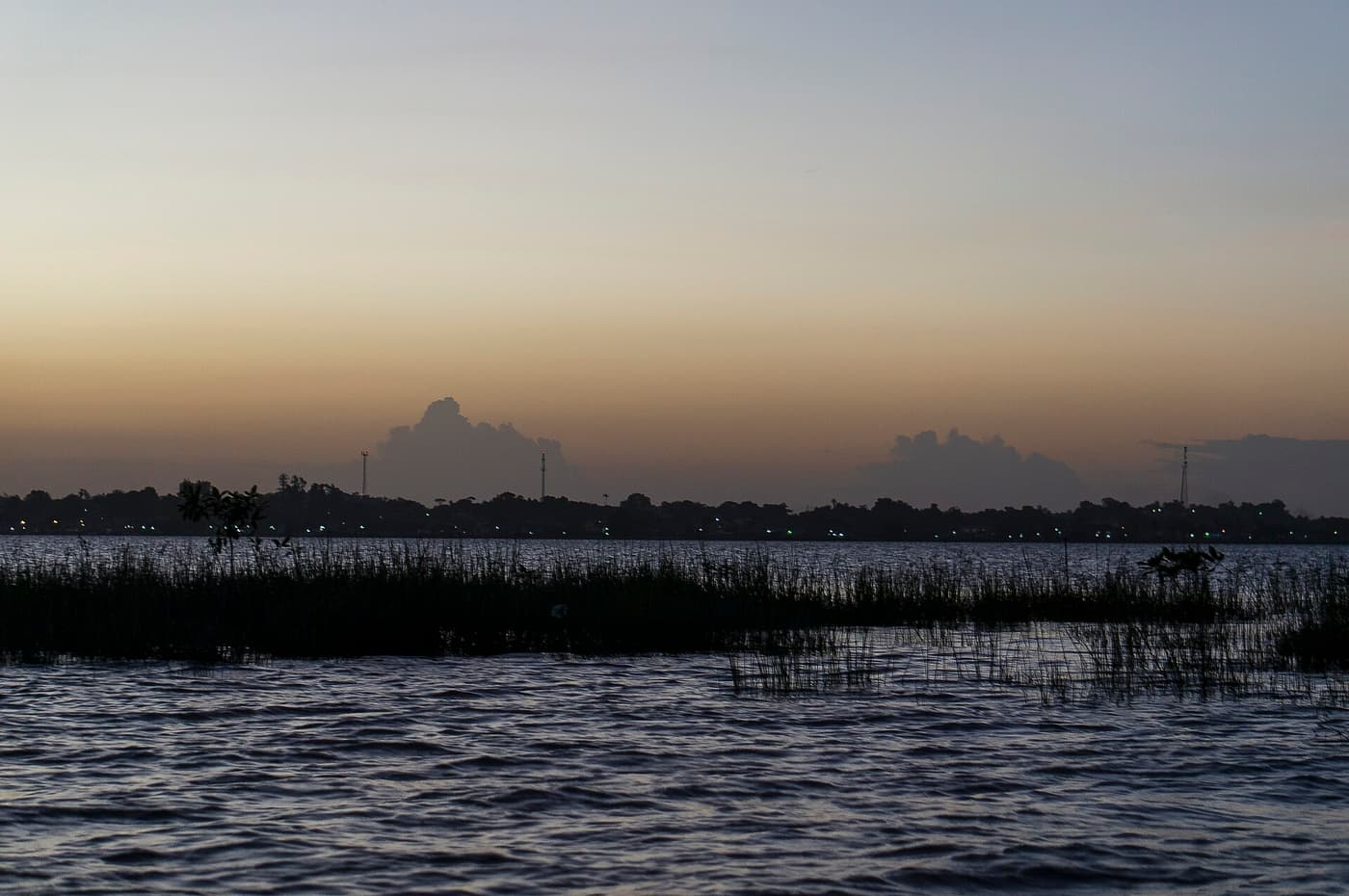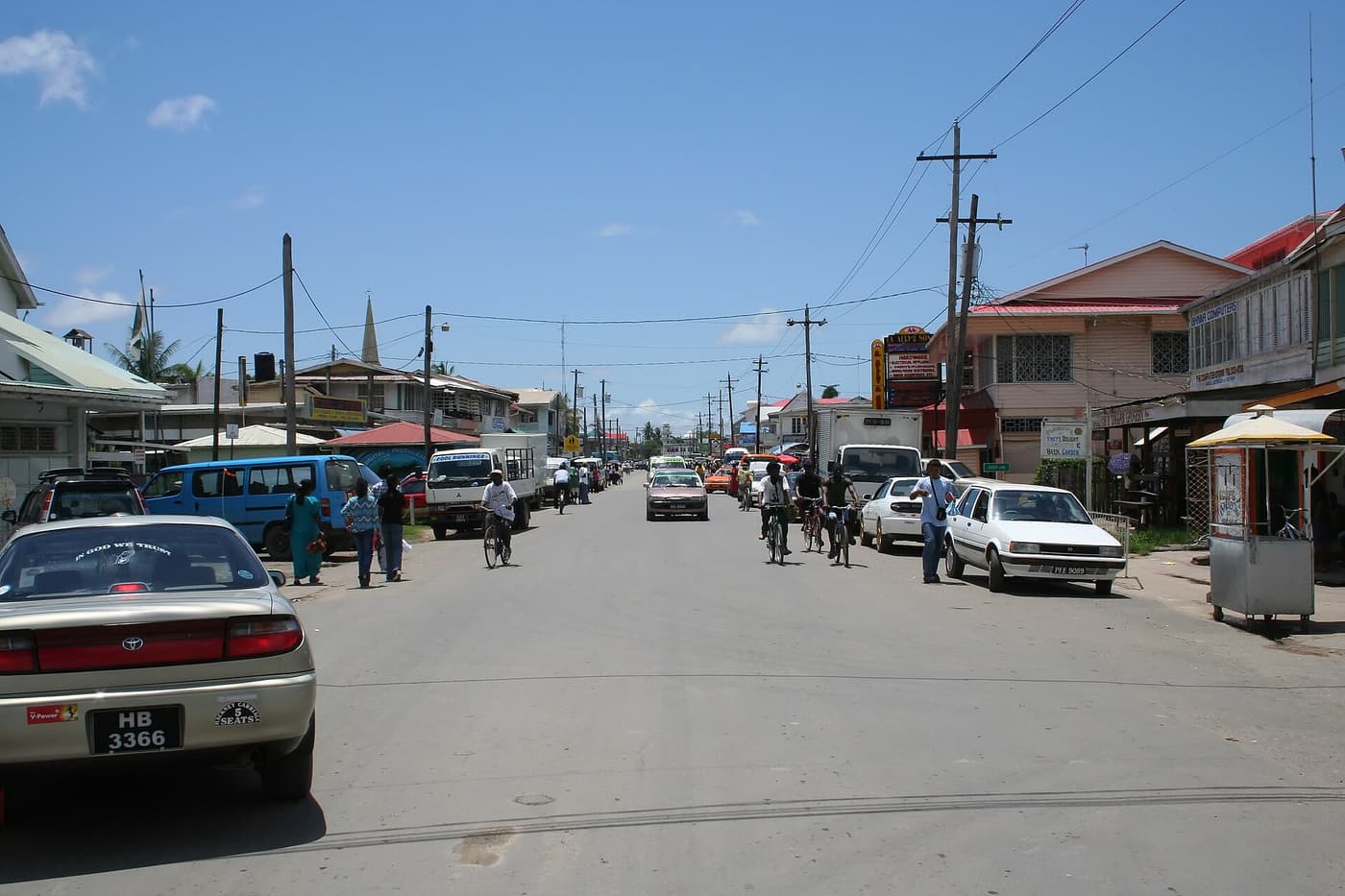
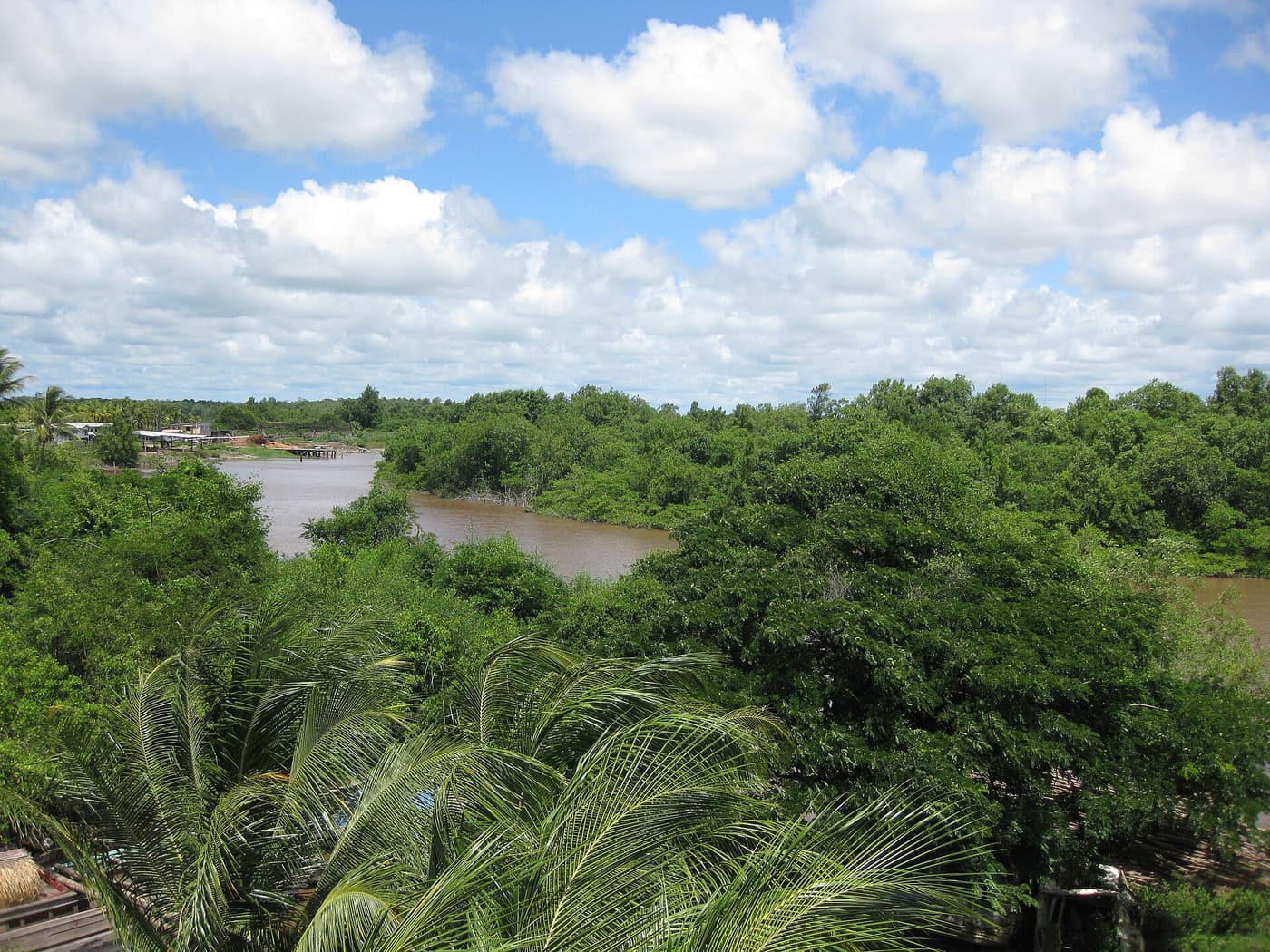
Berbice was a separate Dutch colony long before it was joined to Demerara and Essequibo, and it keeps a distinct identity. Its capital, New Amsterdam, stands near the mouth of the Berbice River about 100 km from Georgetown: a small, unhurried town of wooden houses, churches and a riverside market. In 1763 the plantations upriver were the scene of the great uprising of enslaved Africans led by Cuffy, remembered today as the first blow for Guyanese freedom.
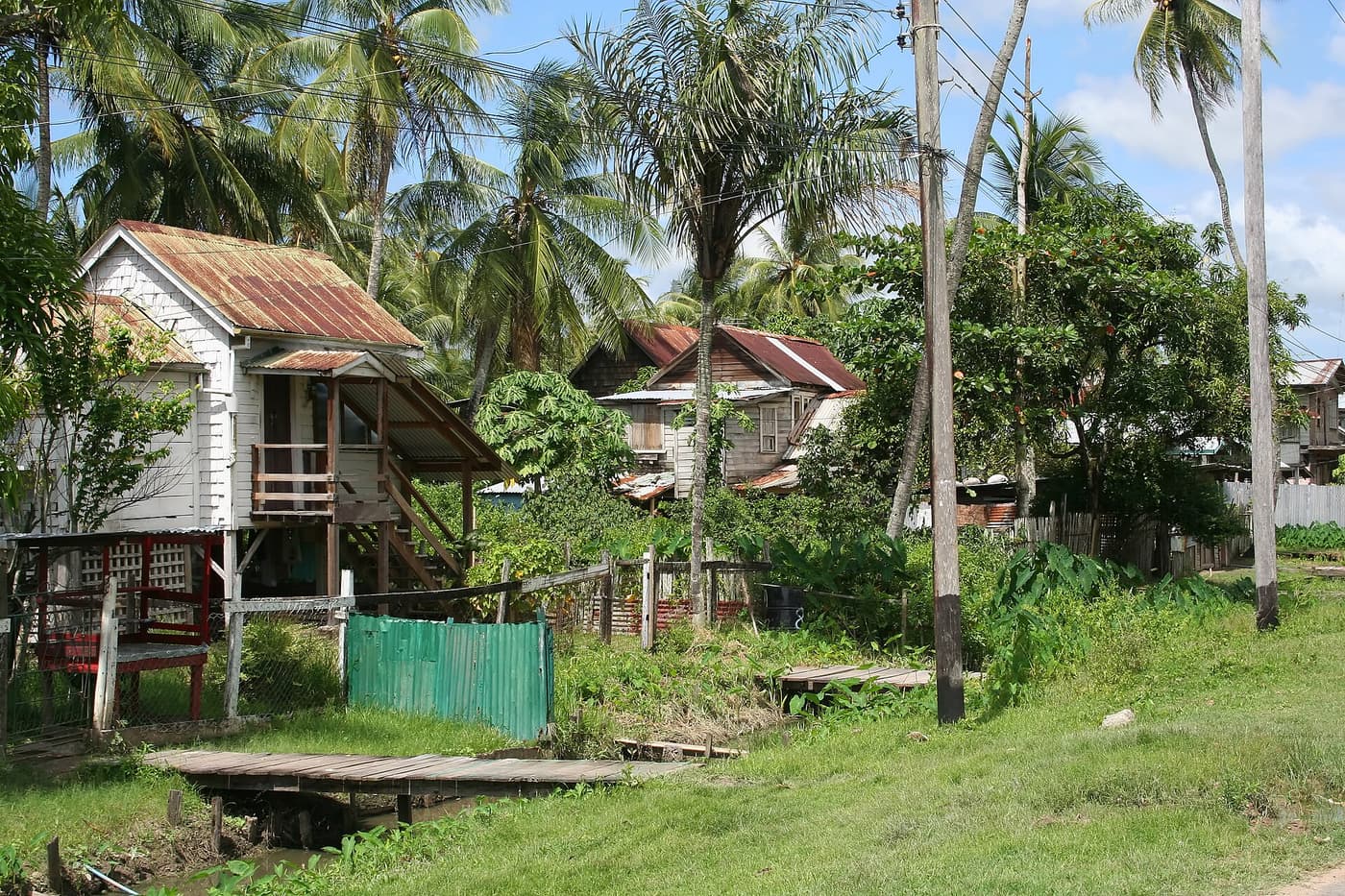
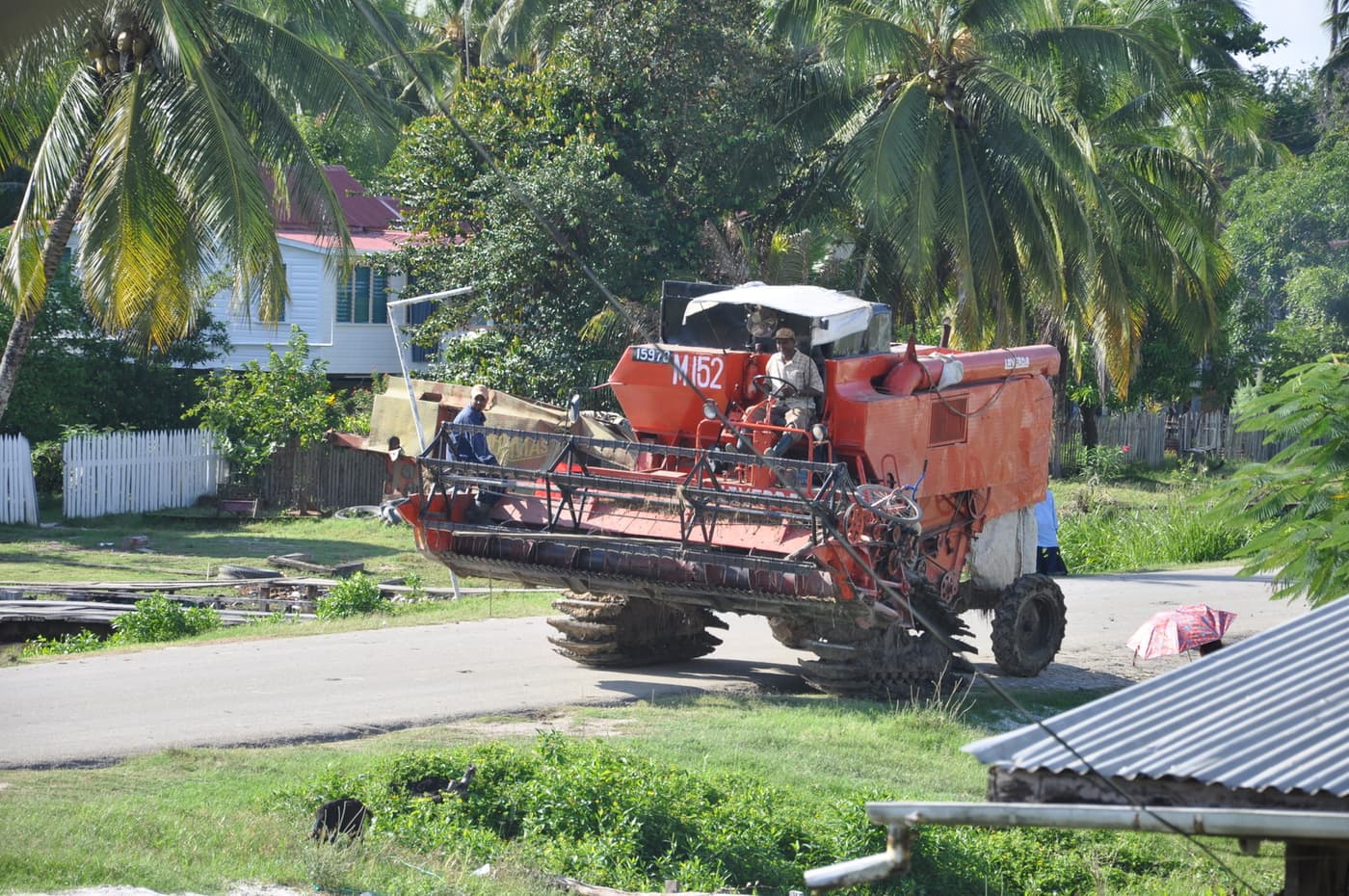
Across the river the road continues along the Corentyne coast, a nearly unbroken ribbon of villages named for old estates or simply numbered — No. 19, No. 63 — among rice fields, cane and coconut. Most people here are of Indian descent, and Hindu temples, mosques and prayer flags line the road. It ends at Corriverton and the ferry across the Corentyne River to Suriname.
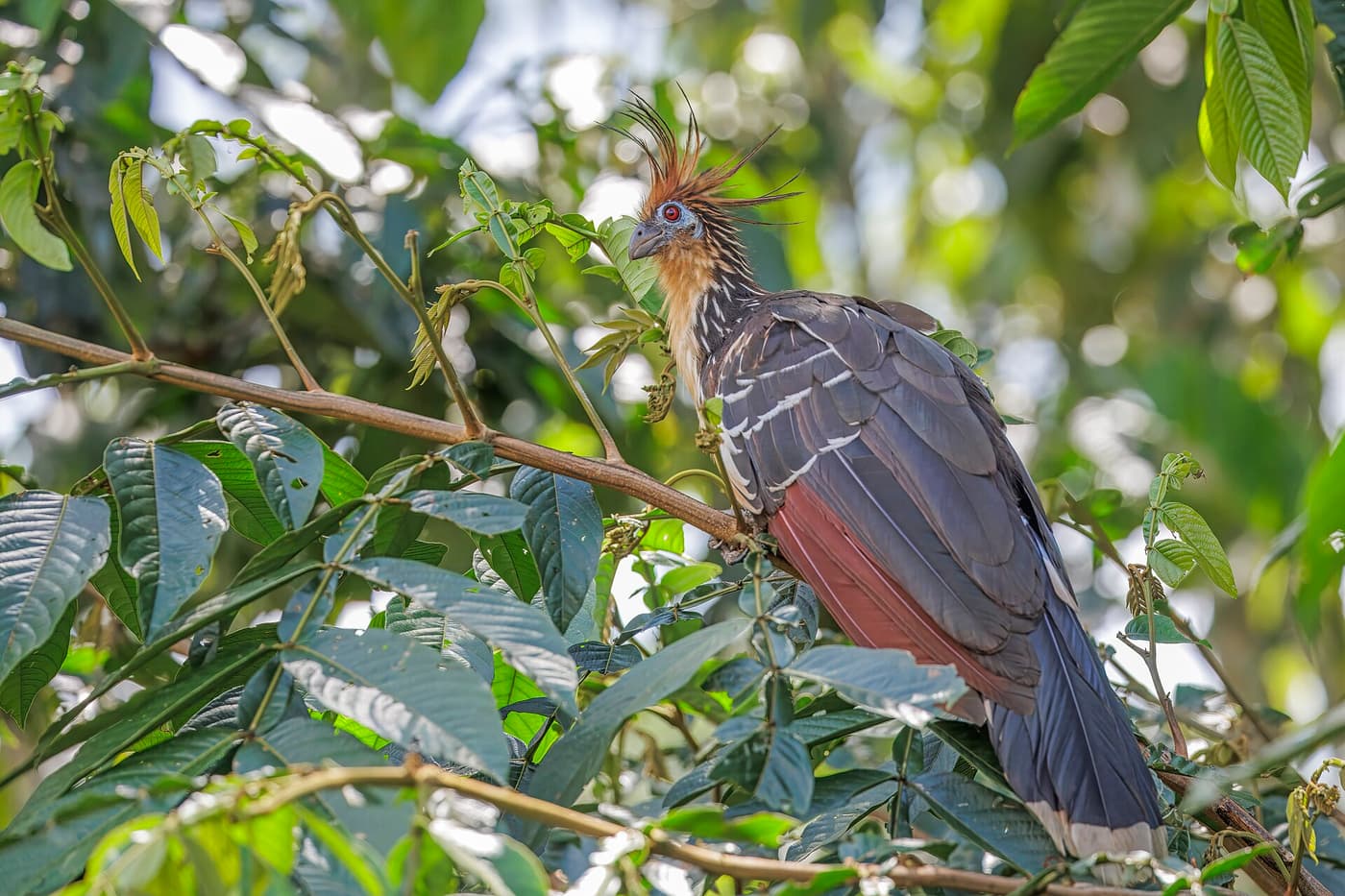
There are few formal attractions. What Berbice offers is ordinary coastal life, good food, wide skies and birds — including, on the Canje and Mahaica rivers, the prehistoric-looking hoatzin, Guyana’s national bird.
Highlights
- A dawn boat trip to see hoatzins on the Mahaica or Canje River
- The old wooden centre and market of New Amsterdam
- Crossing the Berbice River bridge
- No. 63 Beach on a holiday afternoon
- Temples, mosques and roadside food along the Corentyne
- The ferry to Suriname
How long to stay
One night is enough to break the journey to or from Suriname and see New Amsterdam. Add a second for the Corentyne coast, No. 63 Beach or a trip upriver.
Best base
New Amsterdam for the town itself; Corriverton or Skeldon if you are catching the morning ferry. Both have plain, functional hotels.