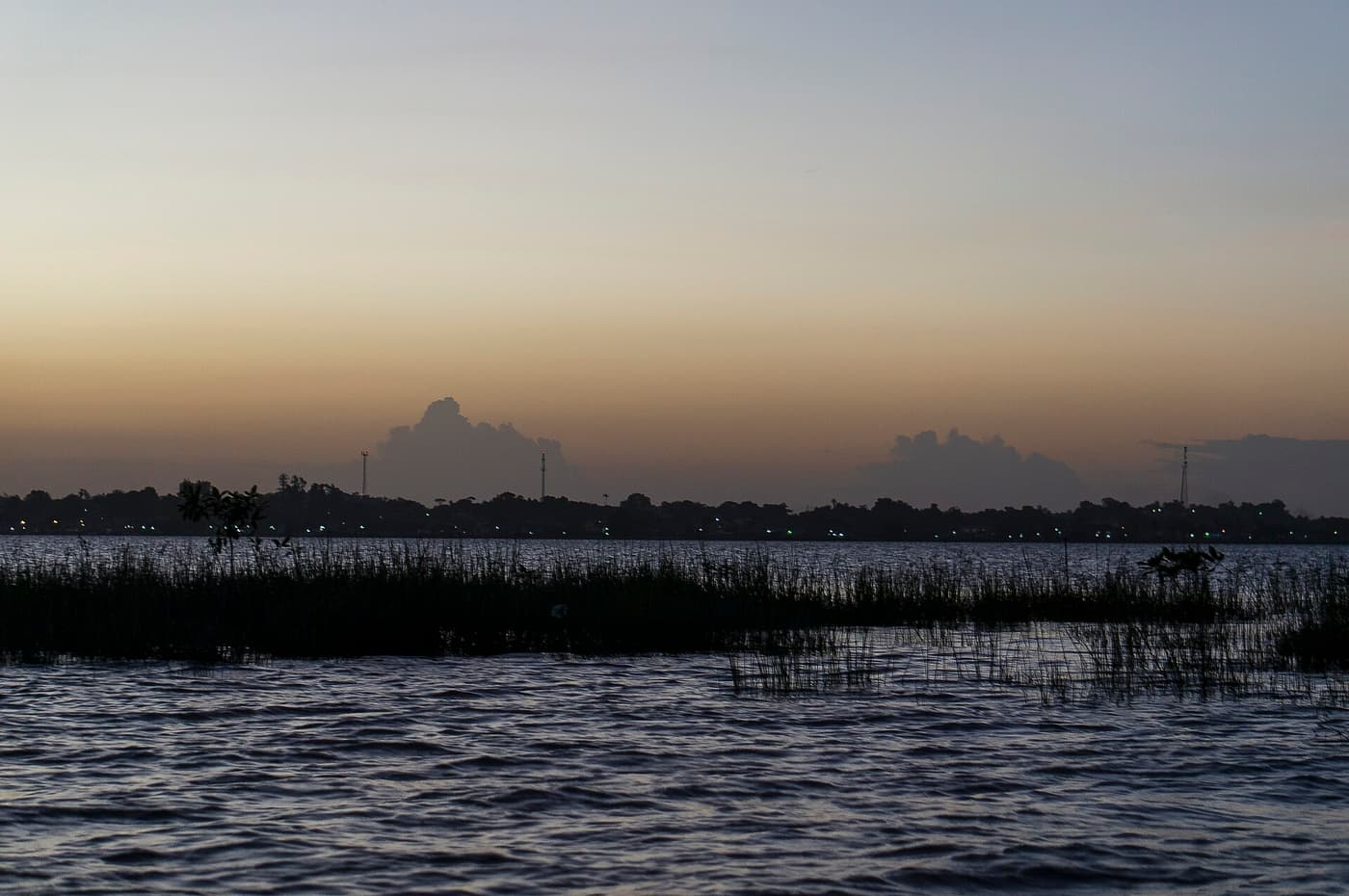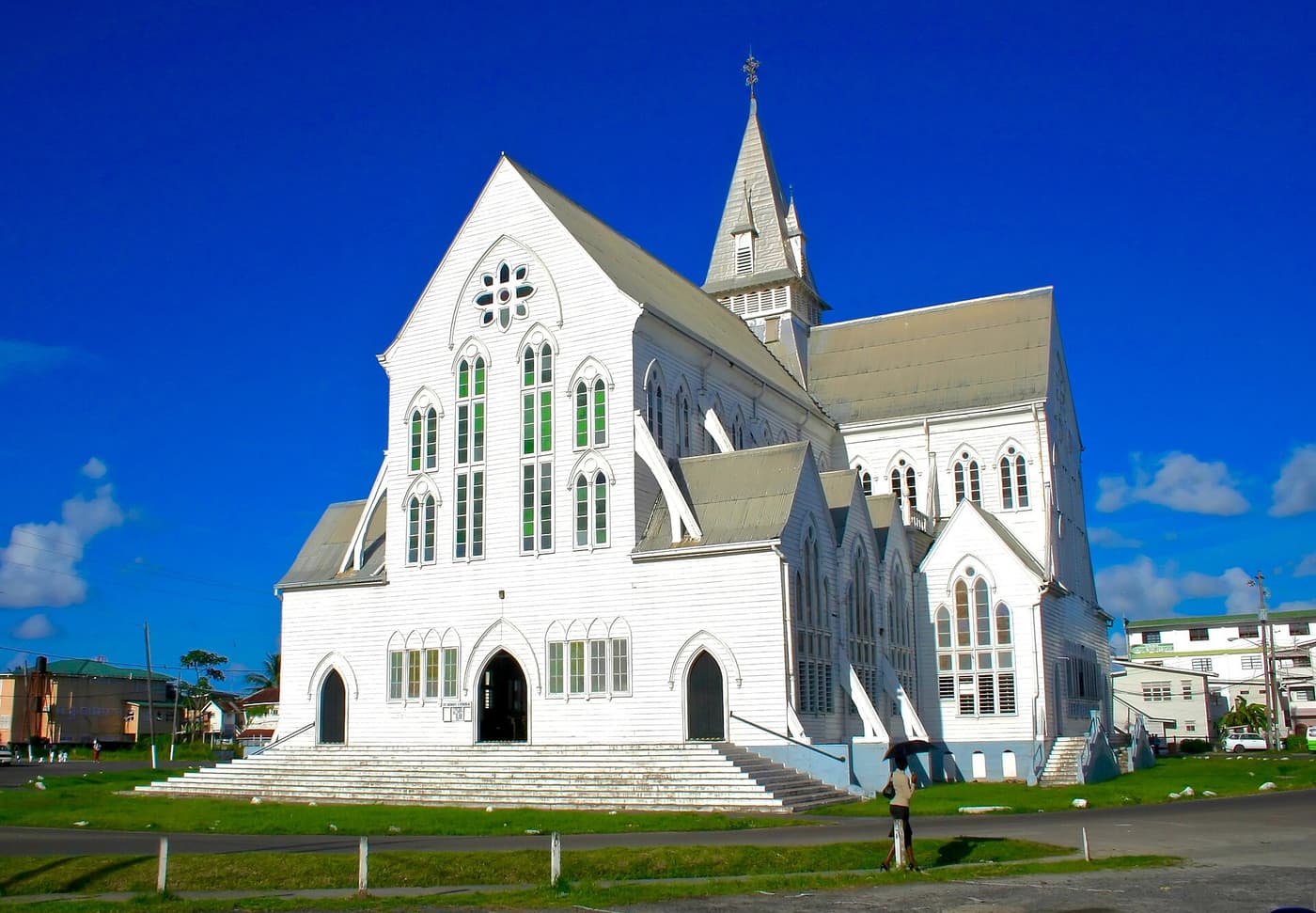
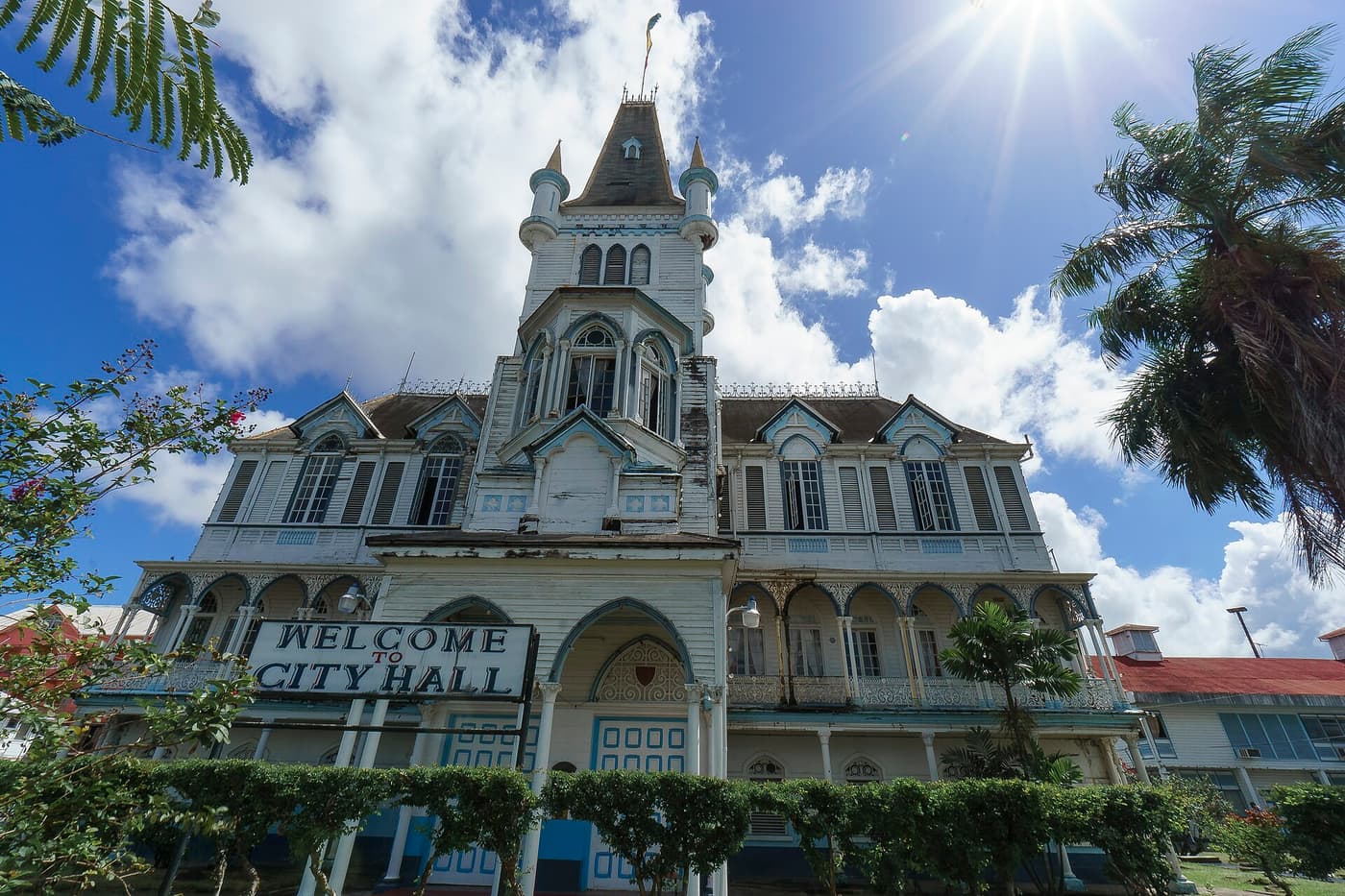
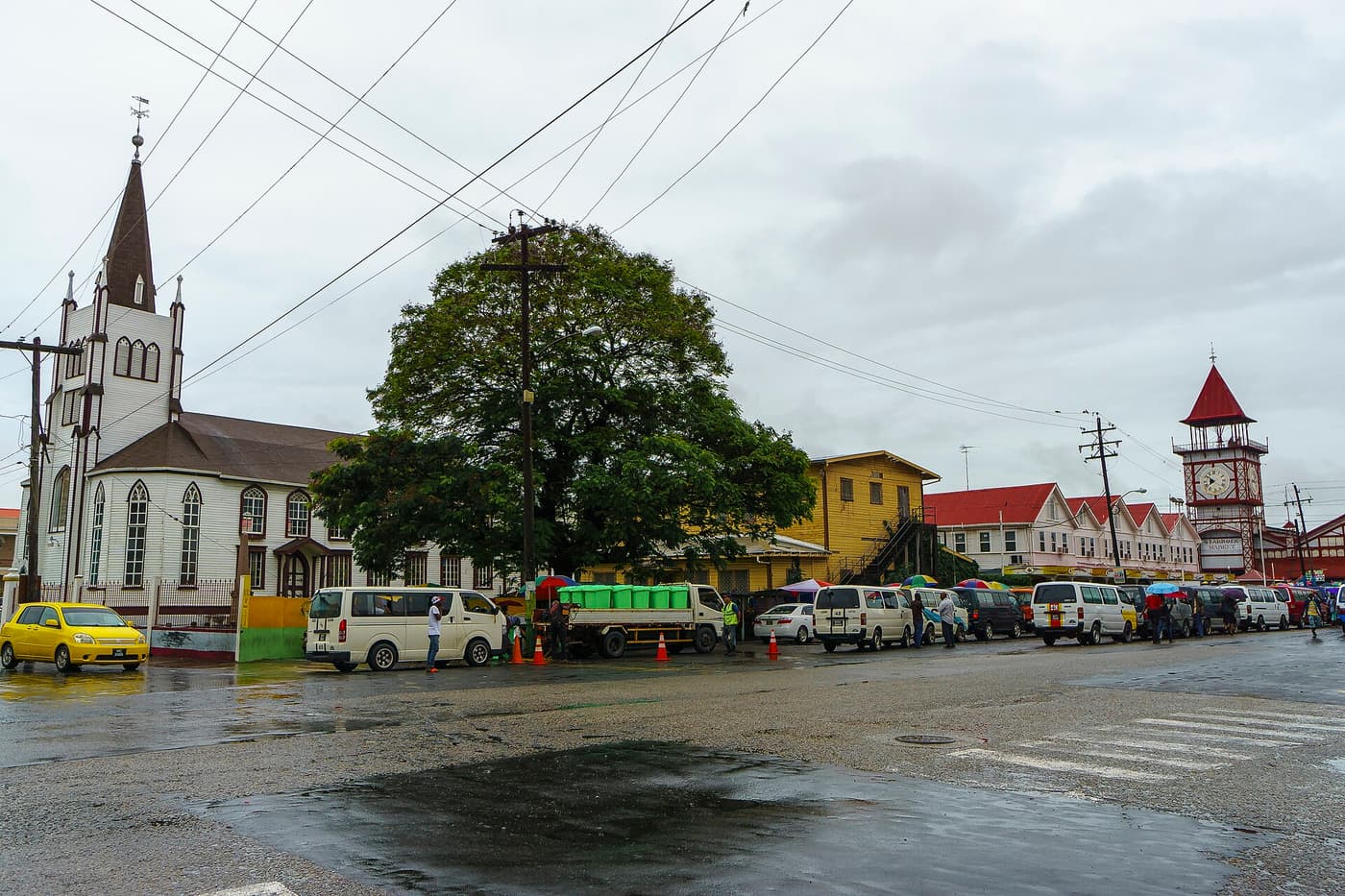
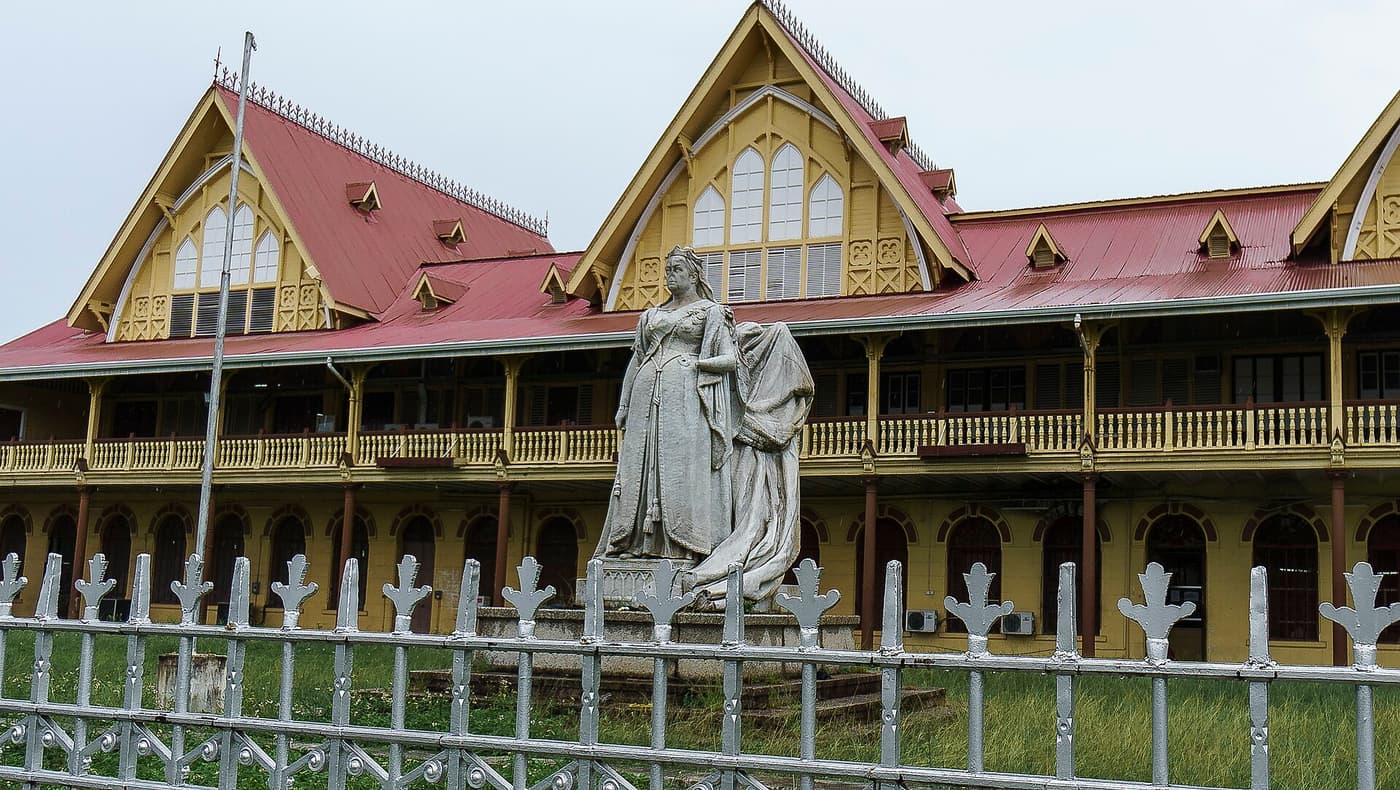
Georgetown sits at the mouth of the Demerara River on land that lies below the level of the sea at high tide. The Dutch laid out its grid of canals and sluices — the kokers still open and close with the tides — and the British filled it with tall timber buildings on stilts, painted white, with louvred “Demerara shutters” to catch the breeze. Many have been lost to fire and neglect, but enough remain to make this one of the most distinctive small capitals in the Americas.
It is a city of about a quarter of a million people in its wider area, flat, green and noisy, more Caribbean than South American. The sights are modest in number and close together: St George’s Cathedral, the iron Stabroek Market, the Botanical Gardens with their manatees, a few good small museums and the seawall, where the whole city seems to gather on a Sunday evening.
Georgetown is also where trips are organised. The international airport, the domestic airport at Ogle, the tour operators, the banks and the only wide choice of hotels are all here, so most itineraries include at least two nights at the start and one at the end.
Highlights
- St George’s Cathedral, one of the tallest wooden churches in the world
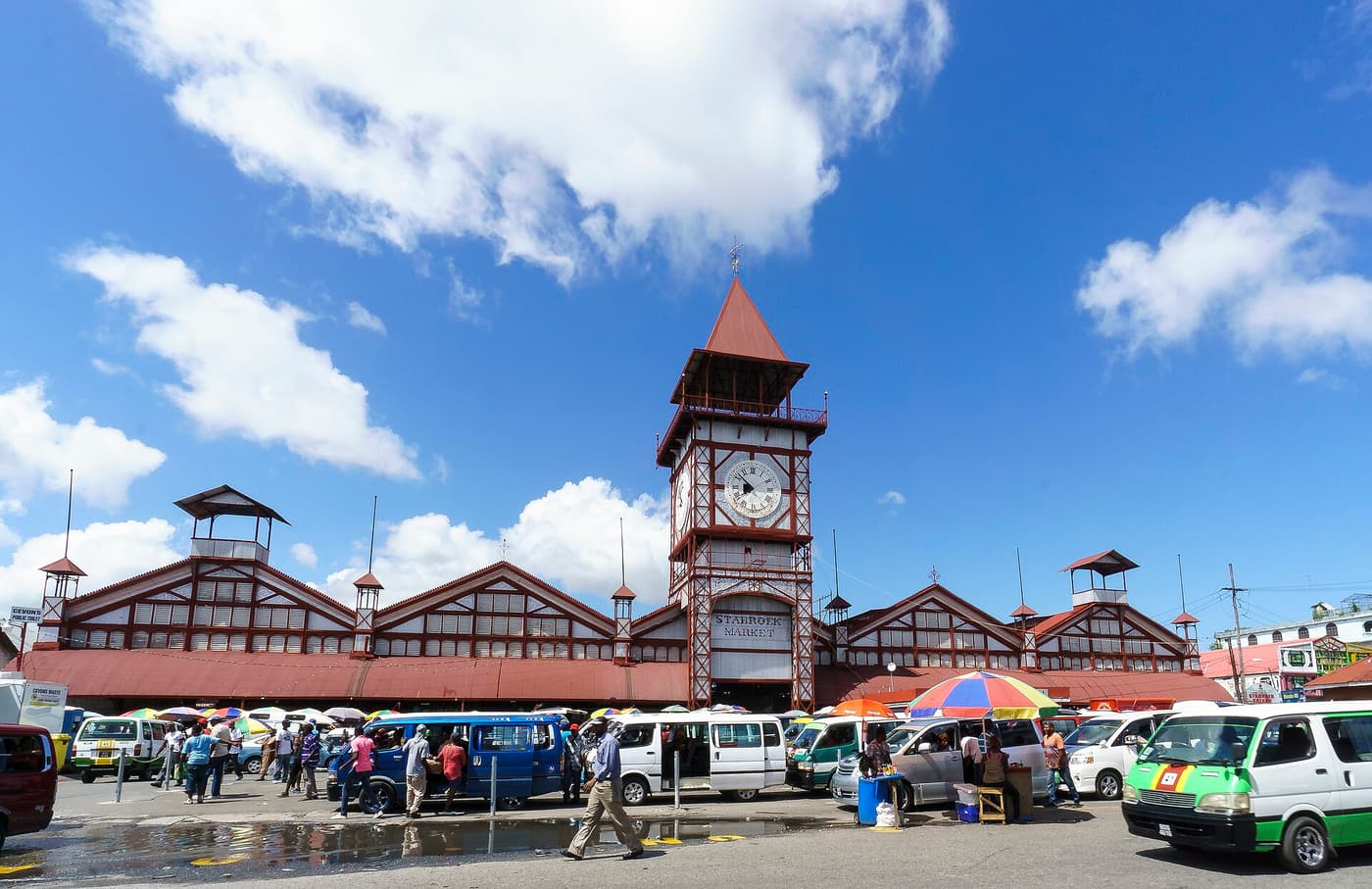
- Stabroek Market and its cast-iron clock tower
- Feeding grass to the manatees in the Botanical Gardens
- A late-afternoon walk on the seawall
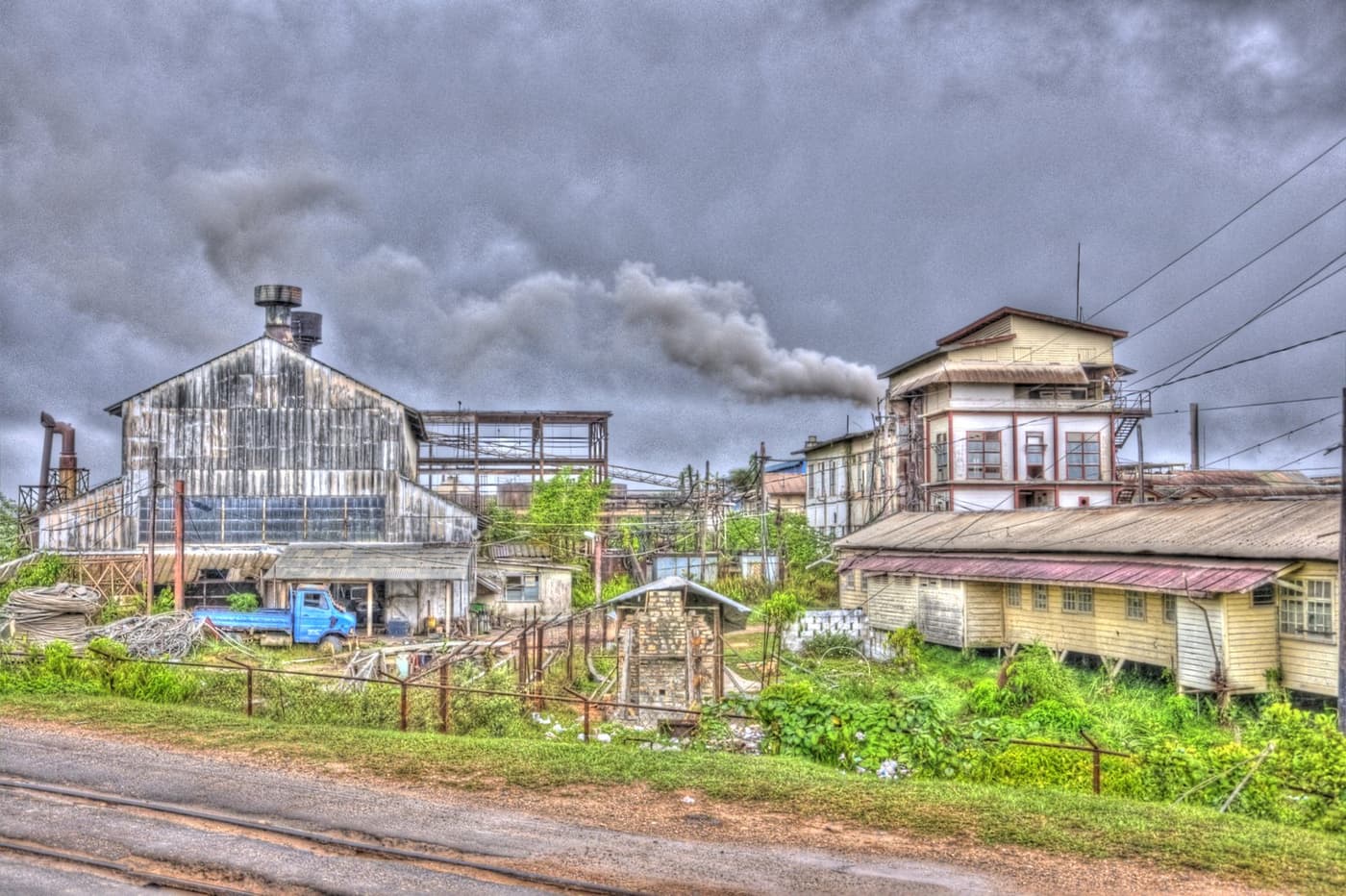
- A tour of the El Dorado rum distillery at Diamond
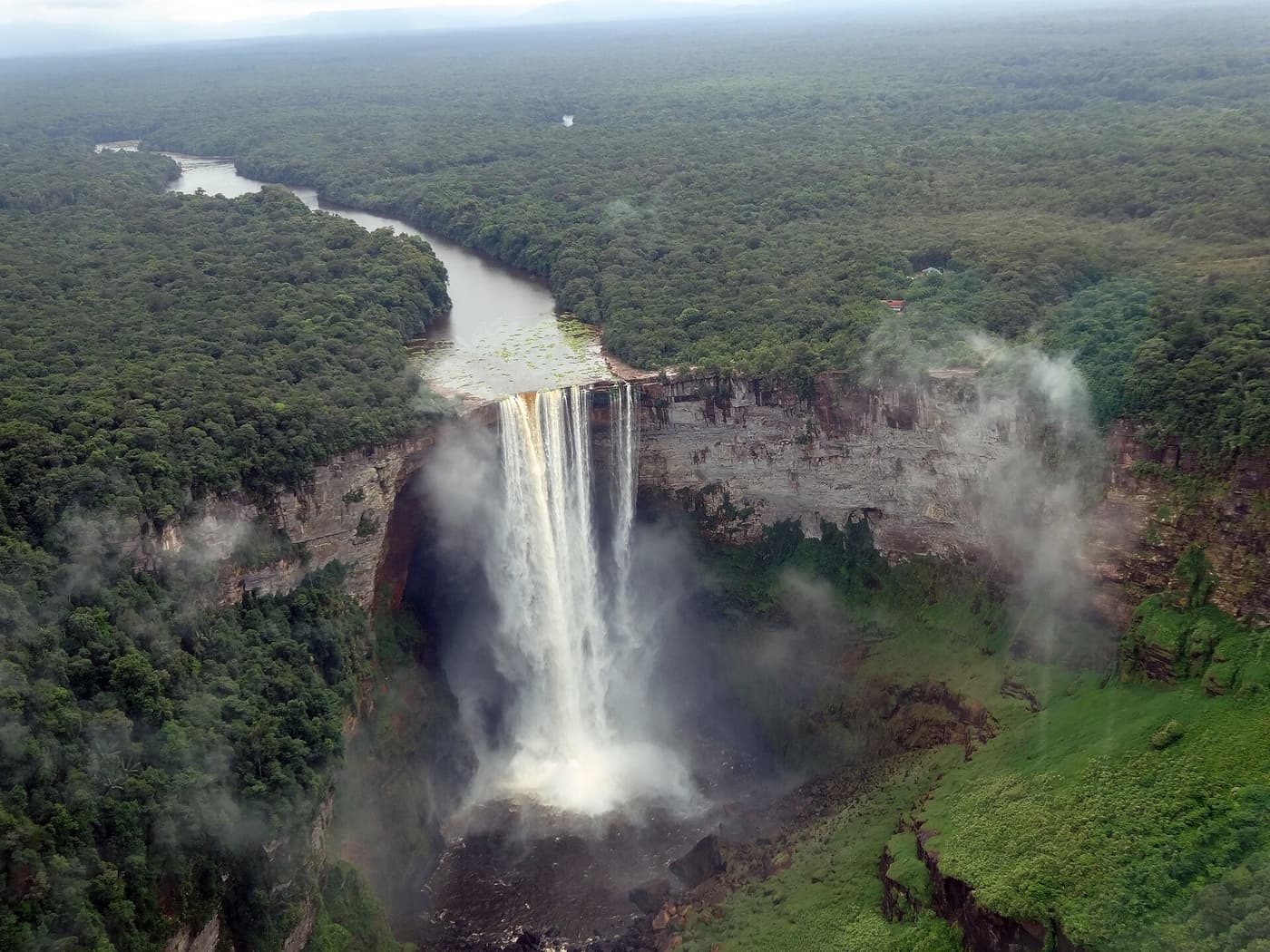
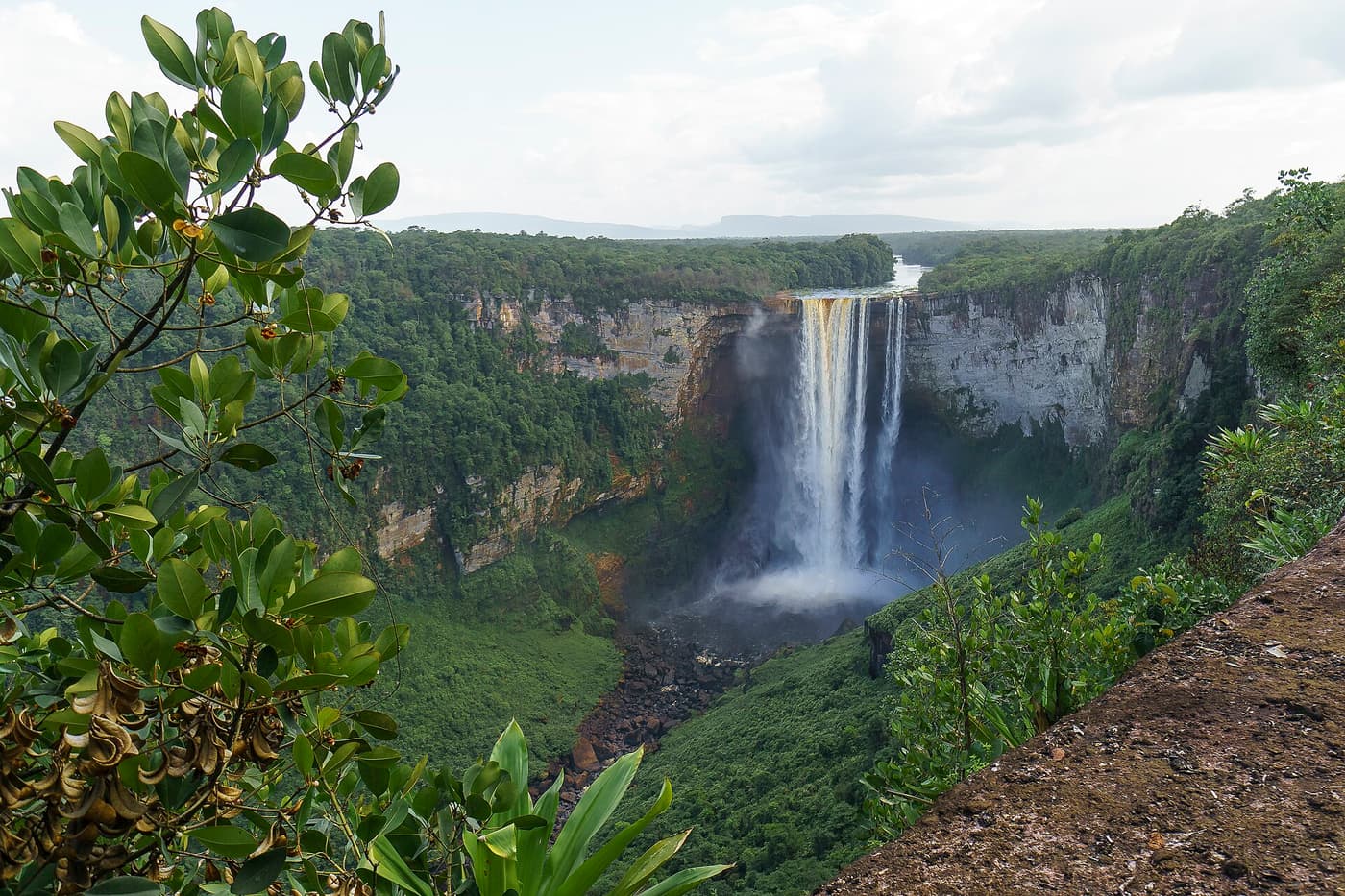
- Day trips to Kaieteur Falls and the Essequibo River
How long to stay
Allow two full days: one for the city on foot or with a guide, one for the rum distillery, the gardens and the museums. Add a day each for Kaieteur Falls and the Essequibo, and keep a spare night before your flight home in case an interior flight is delayed.
Best base
Stay in Kingston, near the seawall, for the large hotels, or in Queenstown and the centre for smaller places in old wooden houses. Hotels near Ogle on the East Coast are convenient for early domestic flights.