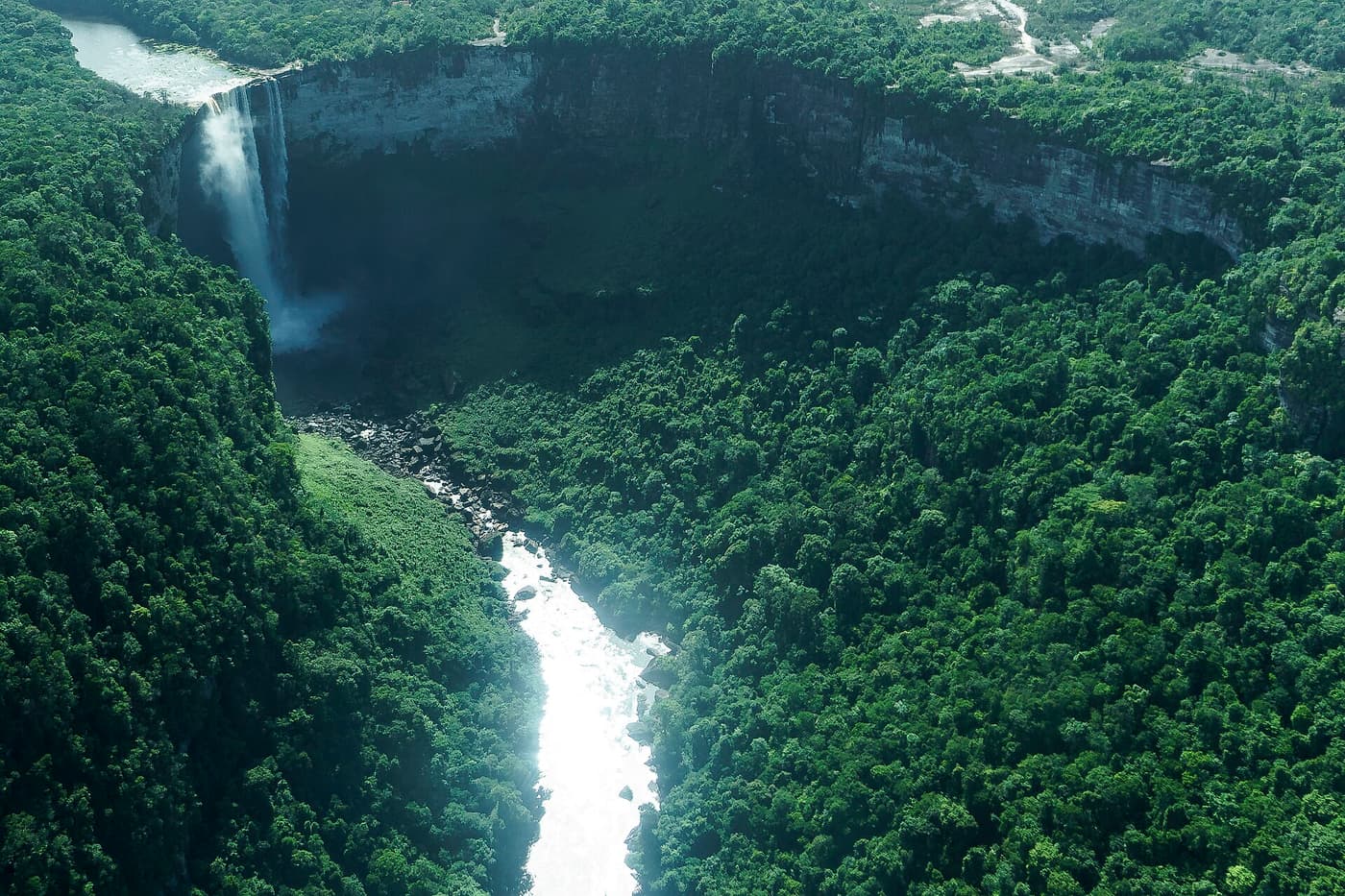
Guyana’s forests are part of the Guiana Shield, one of the largest blocks of intact tropical forest left on Earth. Low human numbers and difficult access have kept wildlife populations healthy, and several lodges exist precisely because of particular animals. But this is rainforest, not open plain: animals are seen by patience, early starts and good local guides, not in herds from a vehicle. Nothing on this page is guaranteed.
The animals people come for
| Species | Best places | When | Realistic chances |
|---|---|---|---|
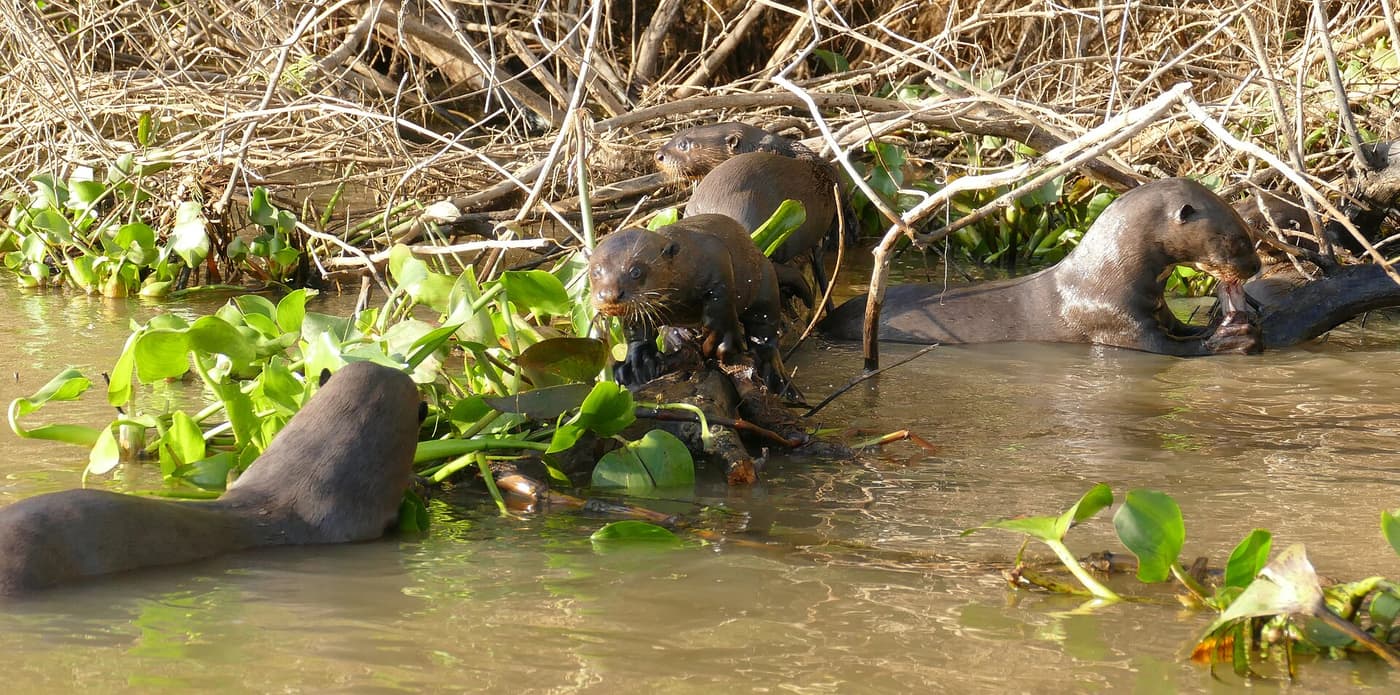
| Giant otter | Karanambu, Rewa, the Rupununi River; Iwokrama | All year; easier when rivers are low (roughly September–April) | Good on a stay of two or three nights |
| Giant anteater | The north Rupununi savannah around Karanambu | All year, at dawn | Good with local trackers |
| Jaguar | The road through Iwokrama; Rupununi riverbanks | Dry seasons, dawn and dusk | Possible, never promised — many visitors miss it |
| Black caiman | Yupukari (Caiman House), Karanambu, Iwokrama | All year, by night | Very good |
| Arapaima | Rewa, the ponds and oxbows of the Rupununi | Dry season, when fish are concentrated | Good at Rewa; seen surfacing to breathe |
| Harpy eagle | Kanuku Mountains, Surama, Iwokrama, Rewa | Depends on an active nest | Good when a nest is in use; otherwise unlikely |
| Guianan cock-of-the-rock | Kaieteur; Wowetta and the forest near Atta and Surama | Leks are most active early in the year | Good at known leks |
| Sea turtles (four species) | Shell Beach | About March–August | Good in peak months |
| Hoatzin (the national bird) | Mahaica and Abary rivers, the Canje | All year, early morning | Very good |
| West Indian manatee | Georgetown’s Botanical Gardens and National Park ponds | All year | Near certain |
Wildlife calendar
Seasons in Guyana are set by rain, not temperature. Dates shift from year to year, so read these as tendencies.
| Months | Conditions | Good for |
|---|---|---|
| January | Short rains ending on the coast; Rupununi mostly dry | Cock-of-the-rock leks, forest birding between showers |
| February–April | Main dry season | Jaguar chances on the Iwokrama road, giant otters, arapaima, the first turtles at Shell Beach from about March |
| May–August | Long rains; rivers high, savannah flooded | Kaieteur in full flood, turtle nesting, waterbirds on the flooded Rupununi; mammals are harder to find |
| September–November | Second dry season; rivers falling | Often the best all-round window: otters, caiman, fishing, river beaches, easy trails |
| December | Short rains begin on the coast and in the forest | Quieter lodges; birding still good |
Birding
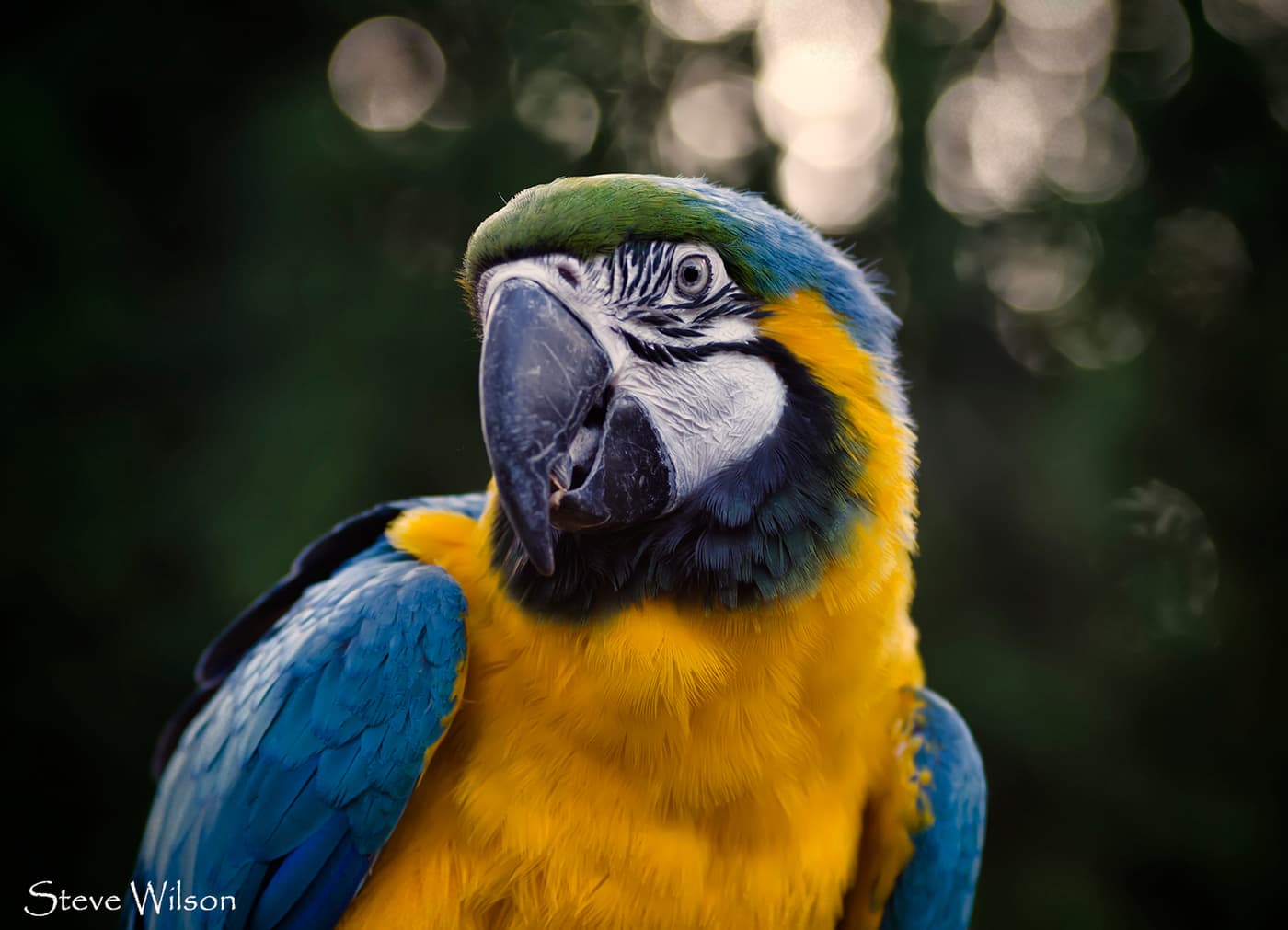
More than 800 species have been recorded, and birders come for the Guiana Shield specialities: Guianan cock-of-the-rock, harpy and crested eagles, capuchinbird, crimson fruitcrow, grey-winged trumpeter, and in the savannahs the sun parakeet and the red siskin, both very localised. A typical two-week birding trip covers the coast (the Botanical Gardens and the hoatzin rivers), Kaieteur, Iwokrama and Atta, Surama and the Rupununi.
- Georgetown Botanical Gardens are a genuinely good first morning: parrots, toucans, the blood-coloured woodpecker and a long list of other species before breakfast.
- The Iwokrama canopy walkway puts you at eye level with canopy flocks at dawn.
- Specialist guides make an enormous difference; many of the best are from the villages themselves. Ask the lodge or operator for a bird guide specifically.
Fishing
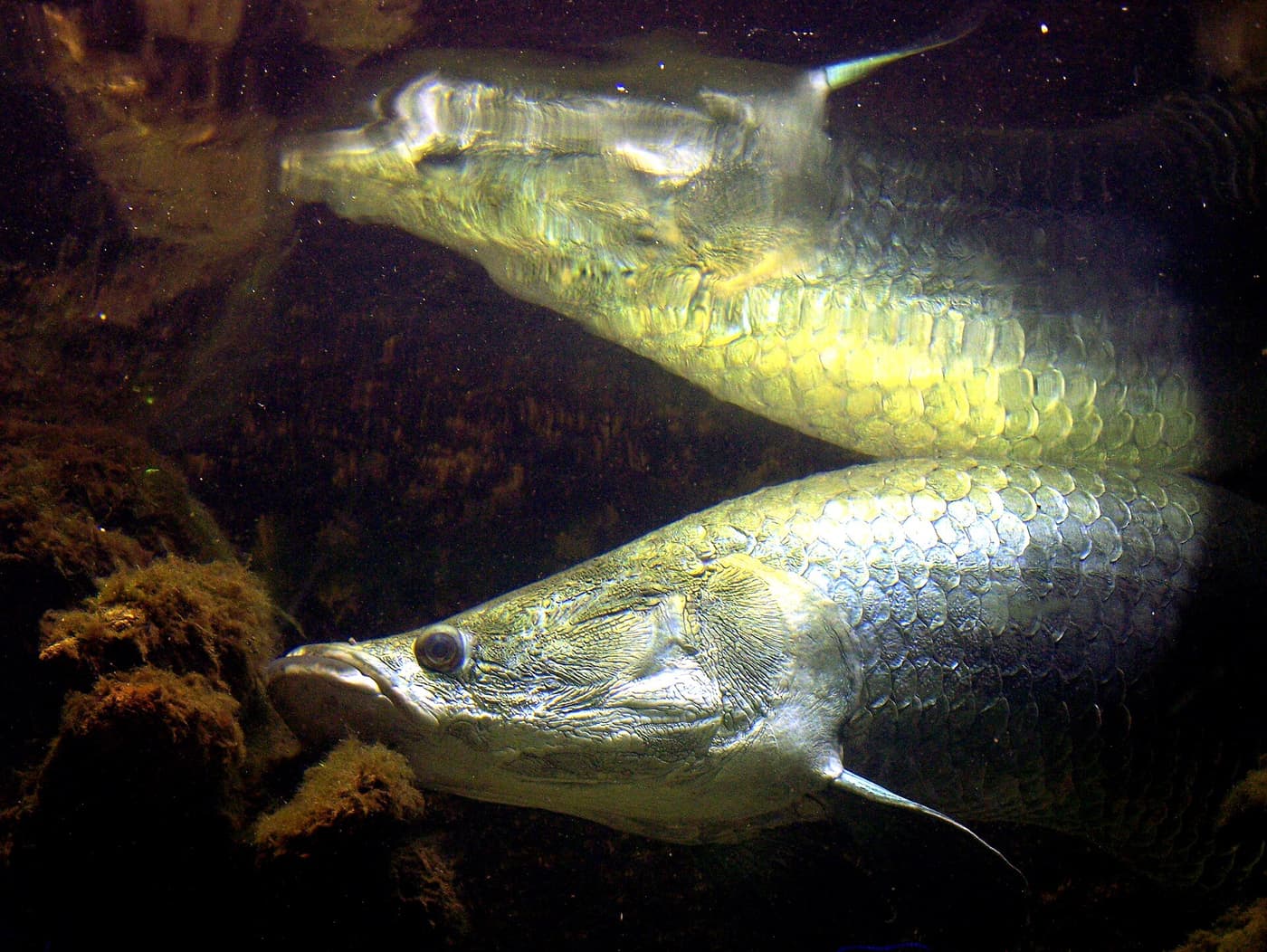
Guyana’s rivers hold peacock bass (called lukanani locally), payara, arowana, big catfish and the arapaima, among the largest scaled freshwater fish in the world. Sport fishing is run on a catch-and-release basis through a few community lodges — Rewa is the best known for arapaima on the fly — under agreements that limit the number of anglers each season. The season follows the low water of the dry months; dates and permits are handled by the lodge or a specialist fishing operator, and trips are booked well ahead.
Elsewhere, lodge staff will happily take guests out for a few hours with a handline for piranha or lukanani for the pot. Never fish in a village’s waters without asking.
Watching wildlife responsibly
- Use local guides and community lodges — the income is the reason habitats are being kept.
- Keep your distance from otter dens, nests and nesting turtles; follow the guide’s instructions about lights and flash.
- Do not ask for animals to be baited, handled or pursued by boat.
- Wildlife products, including feathers and turtle shell, should not be bought.