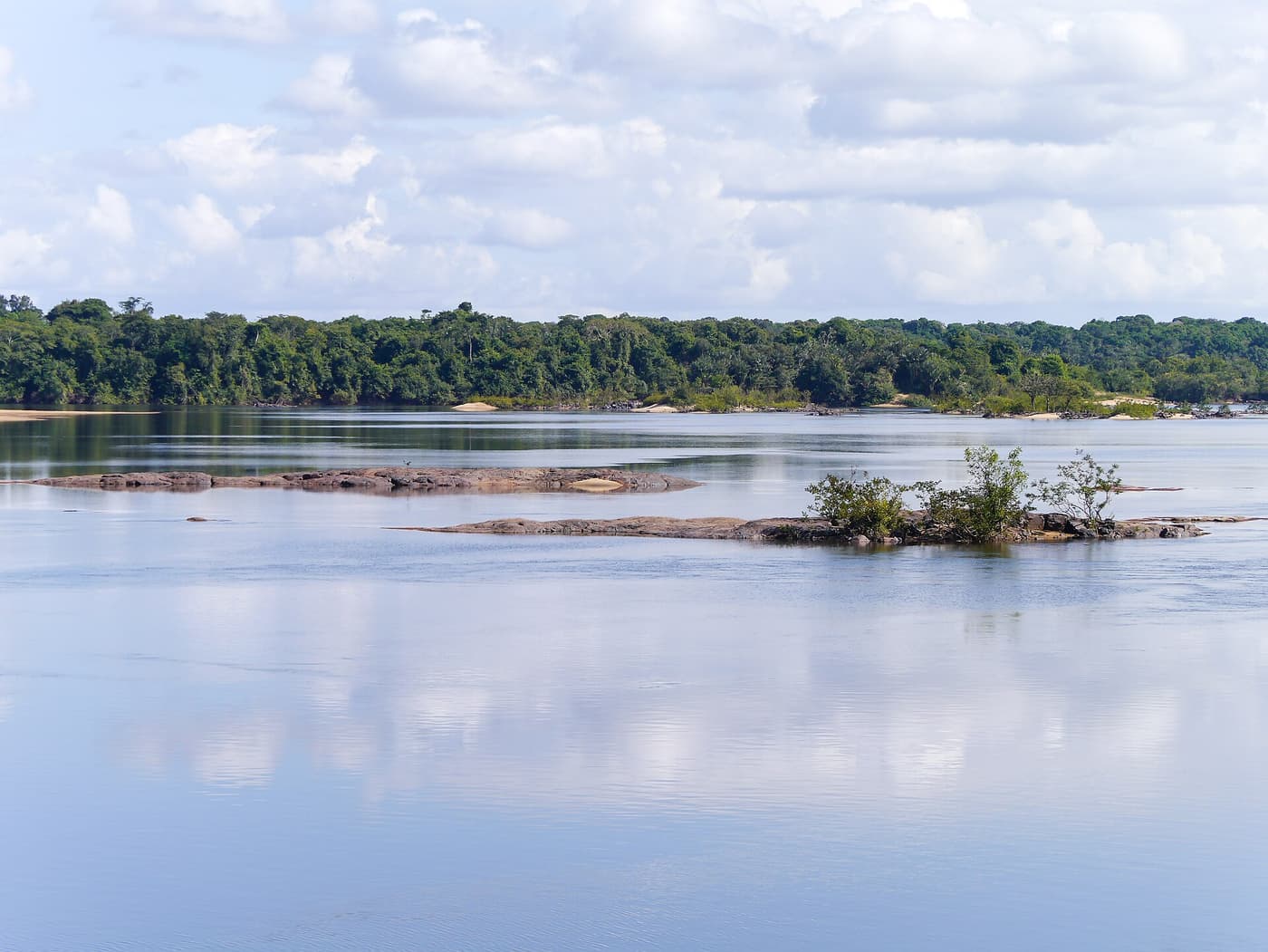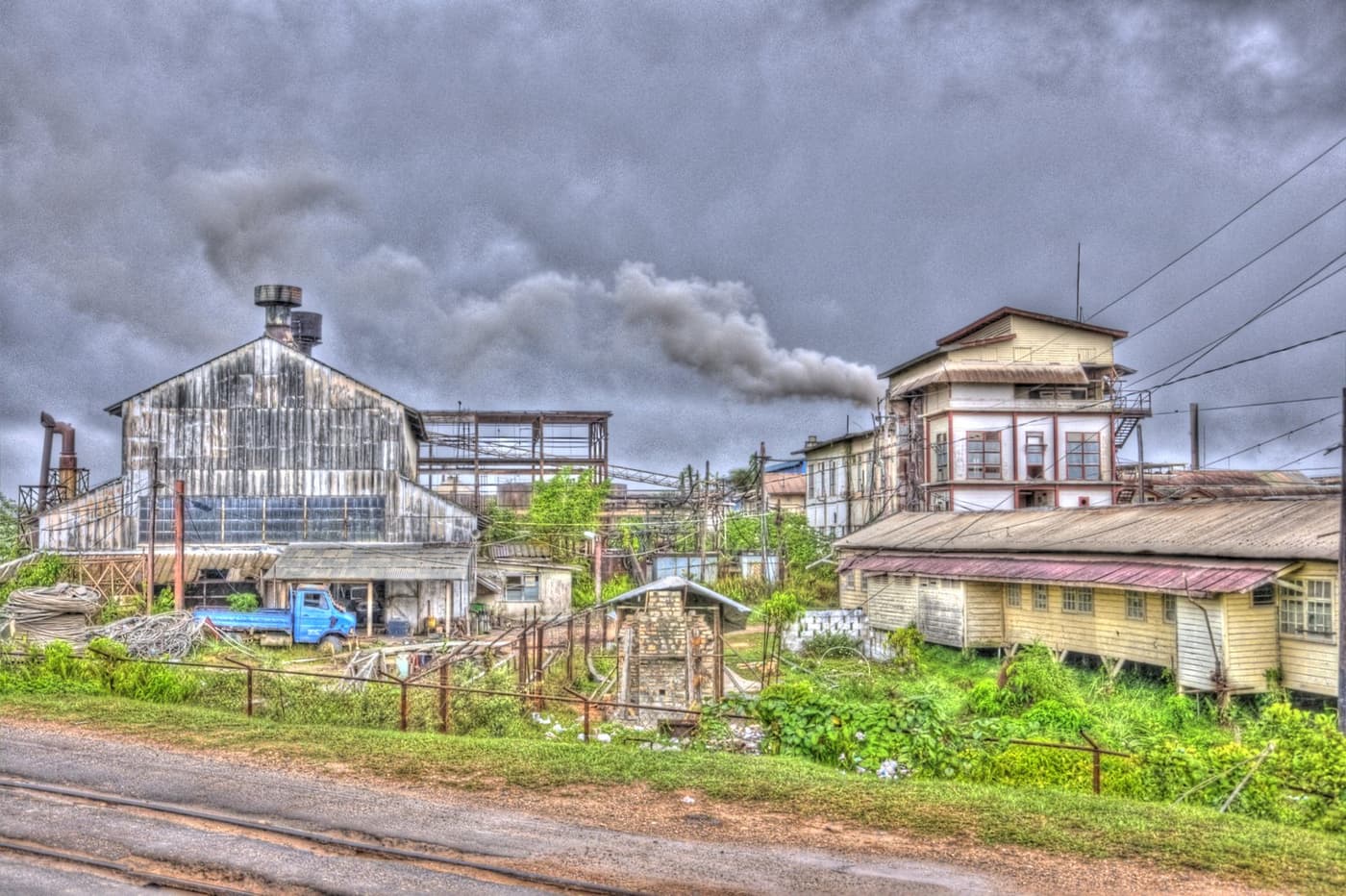
Bauxite, the ore of aluminium, was found on the upper Demerara River early in the 20th century, and from 1916 a company town called Mackenzie grew on the east bank, facing the older villages of Wismar and Christianburg on the west. In 1970 the three were merged and named Linden. For decades Guyanese bauxite was among the most valued in the world, and the mines, railways and river wharves shaped a proud, self-contained community of around 30,000 people.
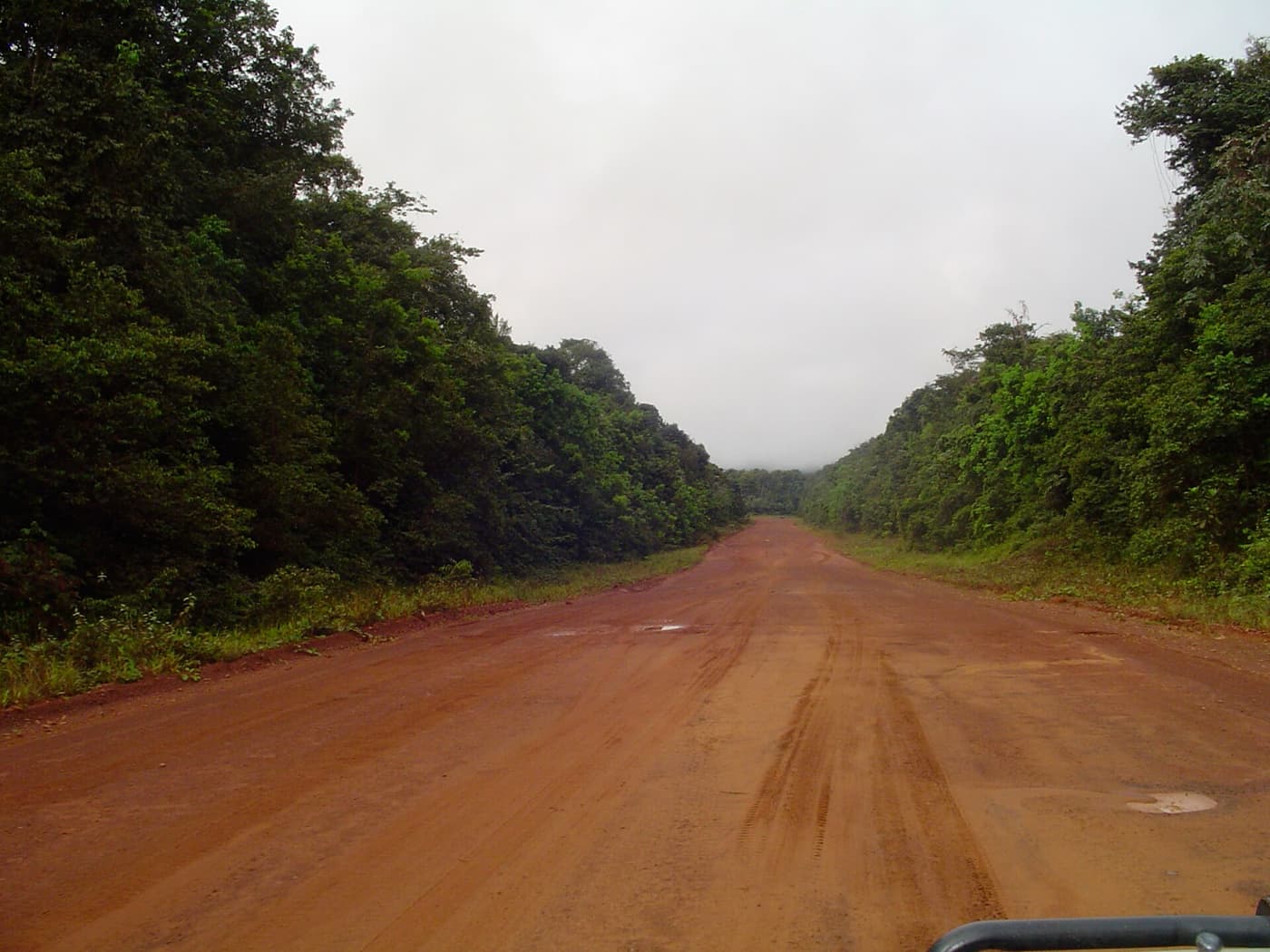
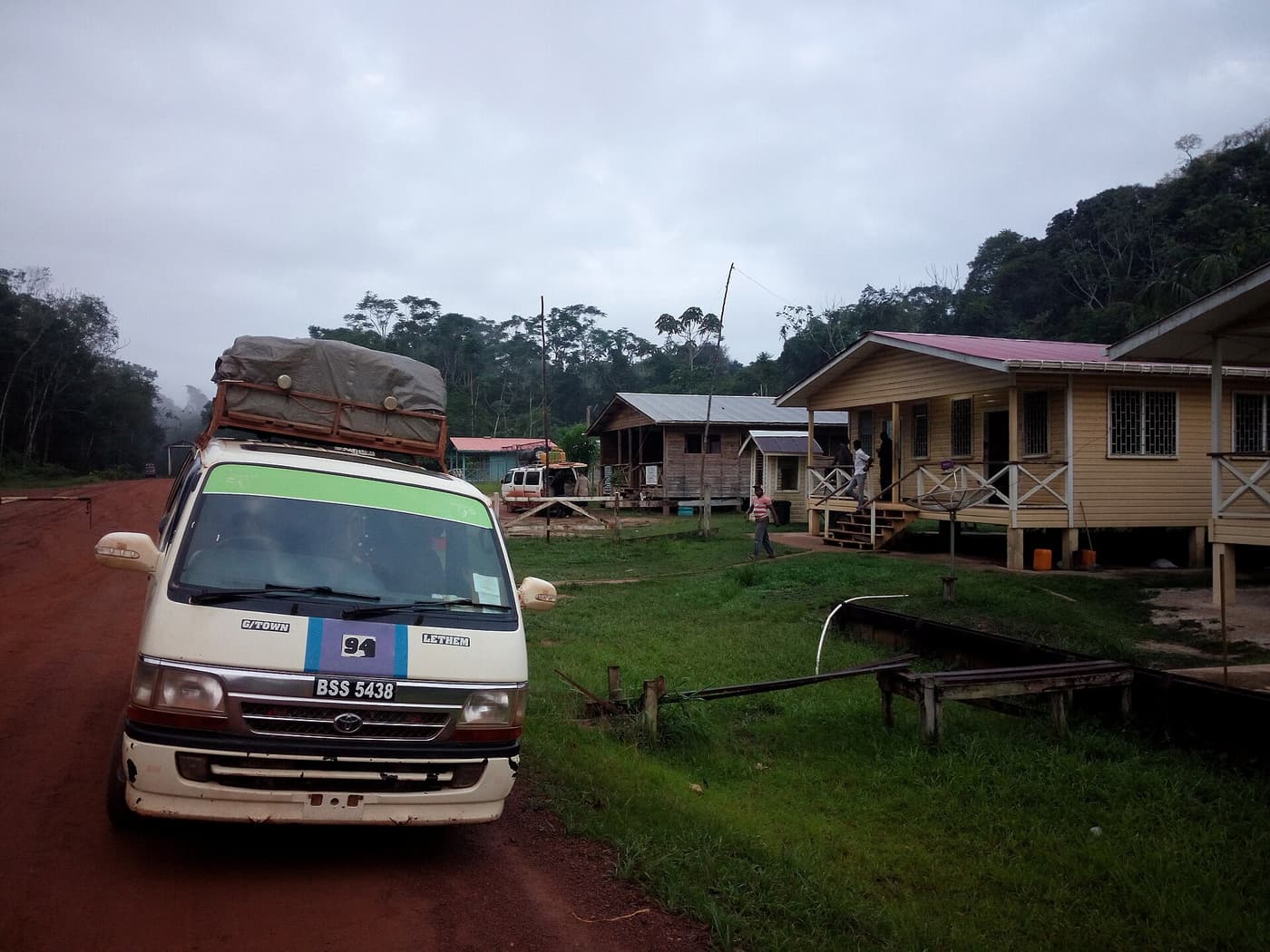
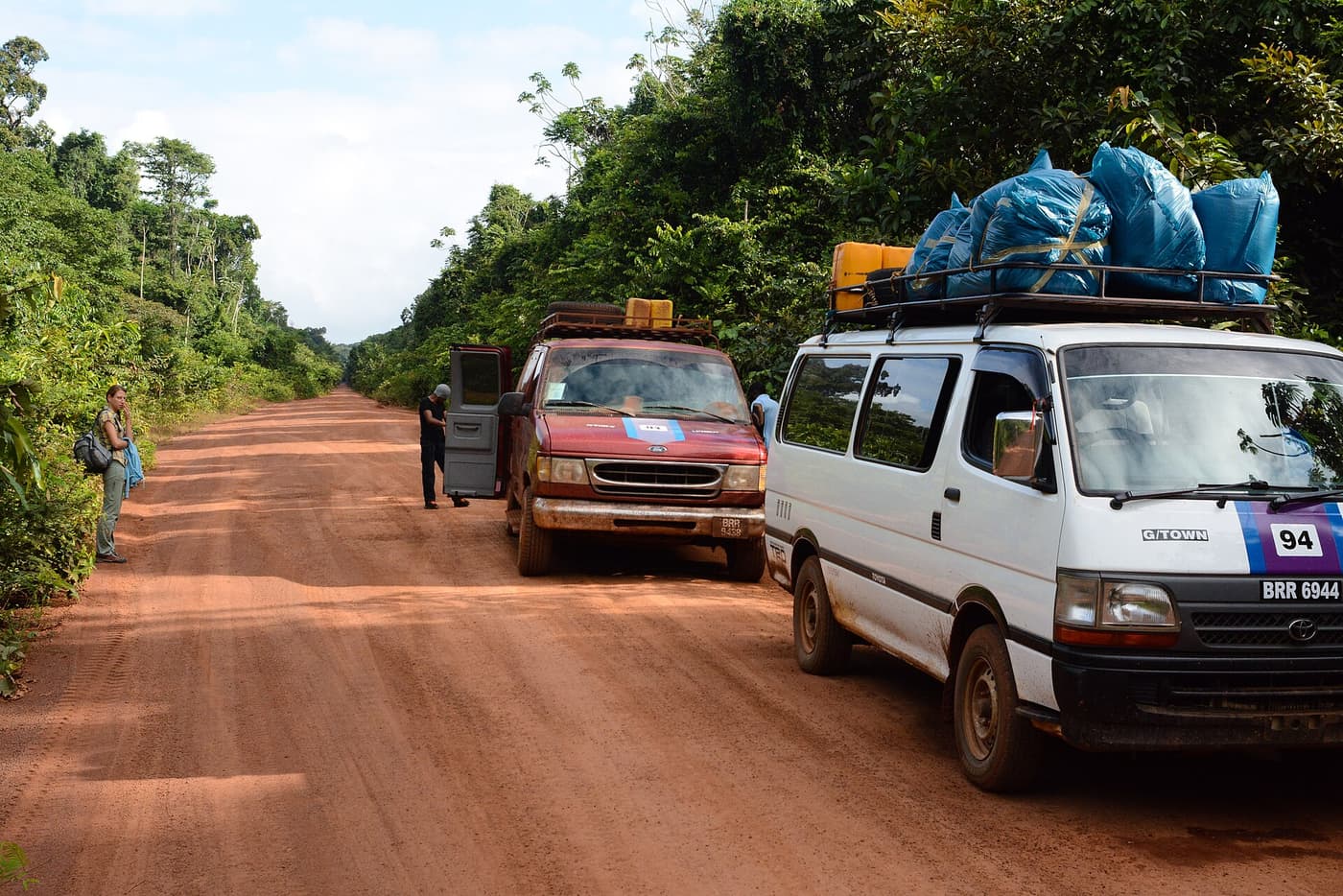
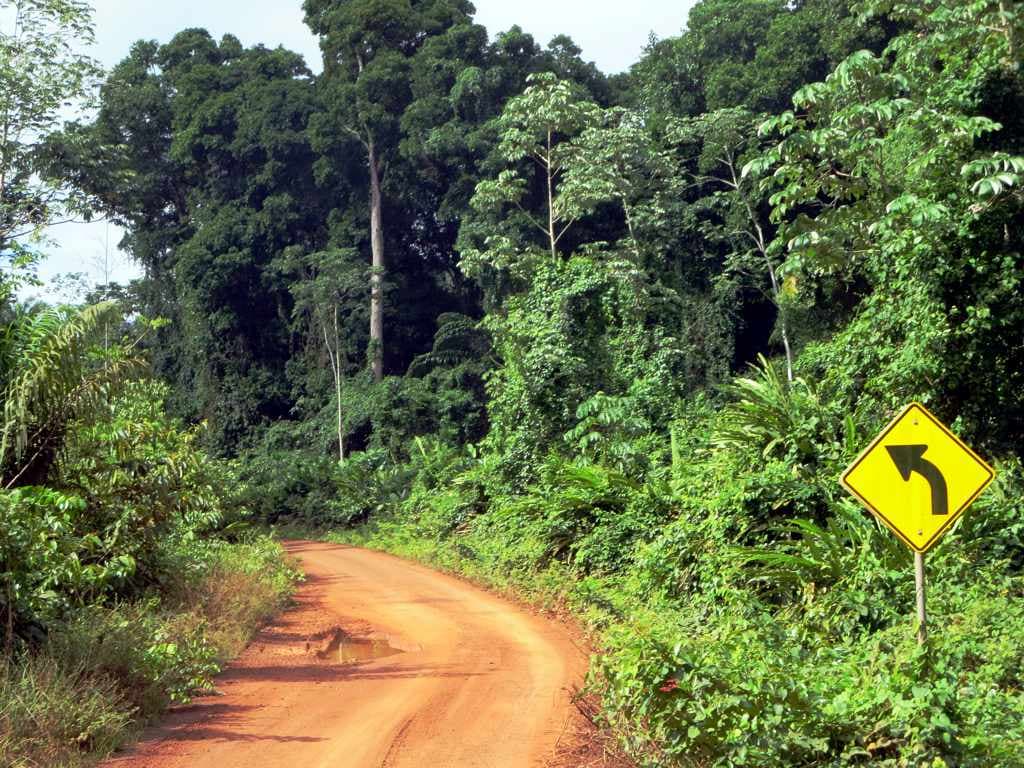
Mining has shrunk, and Linden today is a quiet, hilly, sandy town strung along both sides of the river. For travellers it is two things. It is a pleasant short trip from Georgetown along the Soesdyke–Linden Highway, a road through white-sand forest lined with black-water creeks where Georgetown families spend their weekends. And it is the last town before the interior: here the tarmac has traditionally ended and the trail to Mabura Hill, Iwokrama and Lethem begins.
Highlights
- The story of bauxite at the Linden Museum
- The startling colour of the blue lakes in old mine pits
- The 19th-century Christianburg waterwheel
- A swim in a cola-coloured black-water creek off the highway
- The Rockstone Fish Festival on the Essequibo in October
- Setting out on the Georgetown–Lethem trail
How long to stay
A day trip from Georgetown is enough for the town and a creek. Stay one night if you want to add Rockstone and Gluck Island on the Essequibo, or to break a journey south.
Best base
Most visitors return to Georgetown. Linden has a few simple hotels in Mackenzie, and there are creek resorts along the highway and a community guesthouse at Rockstone.