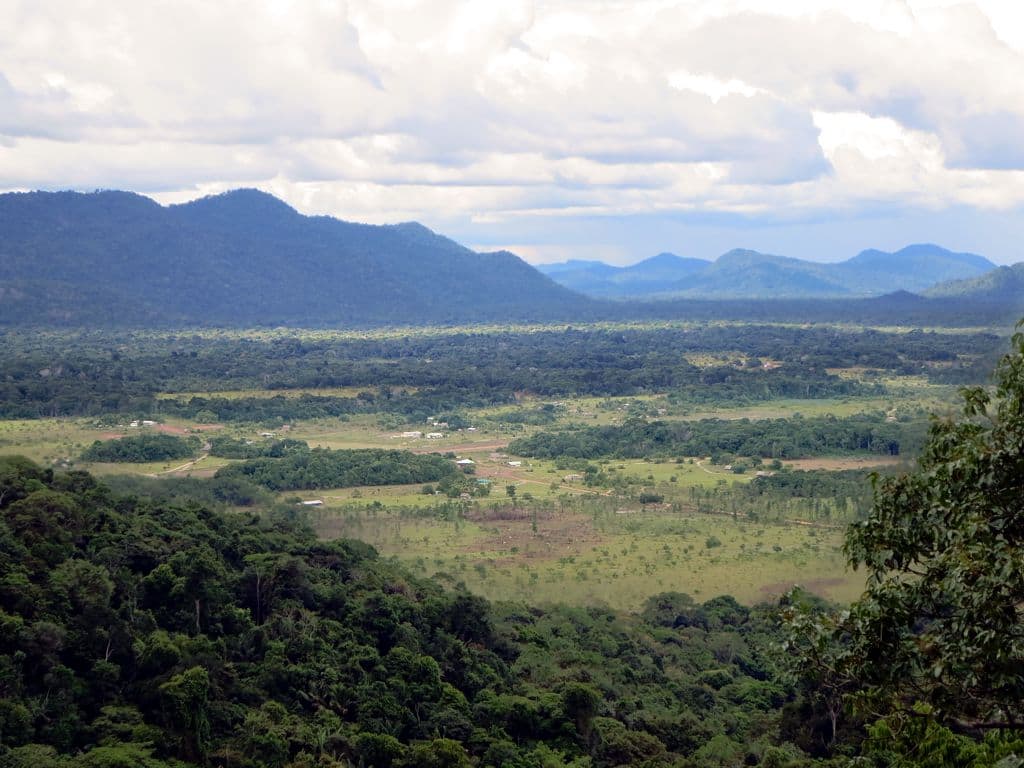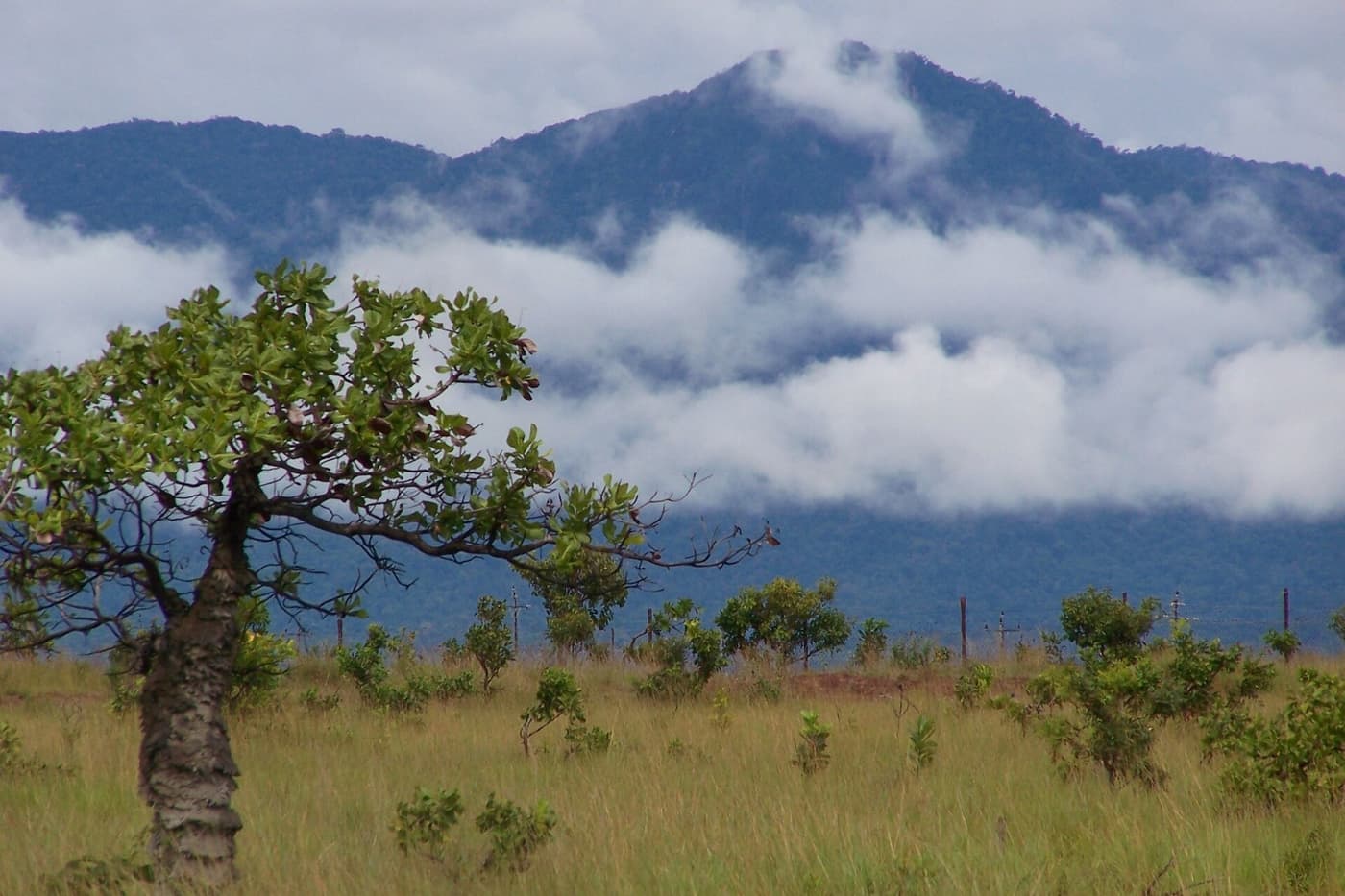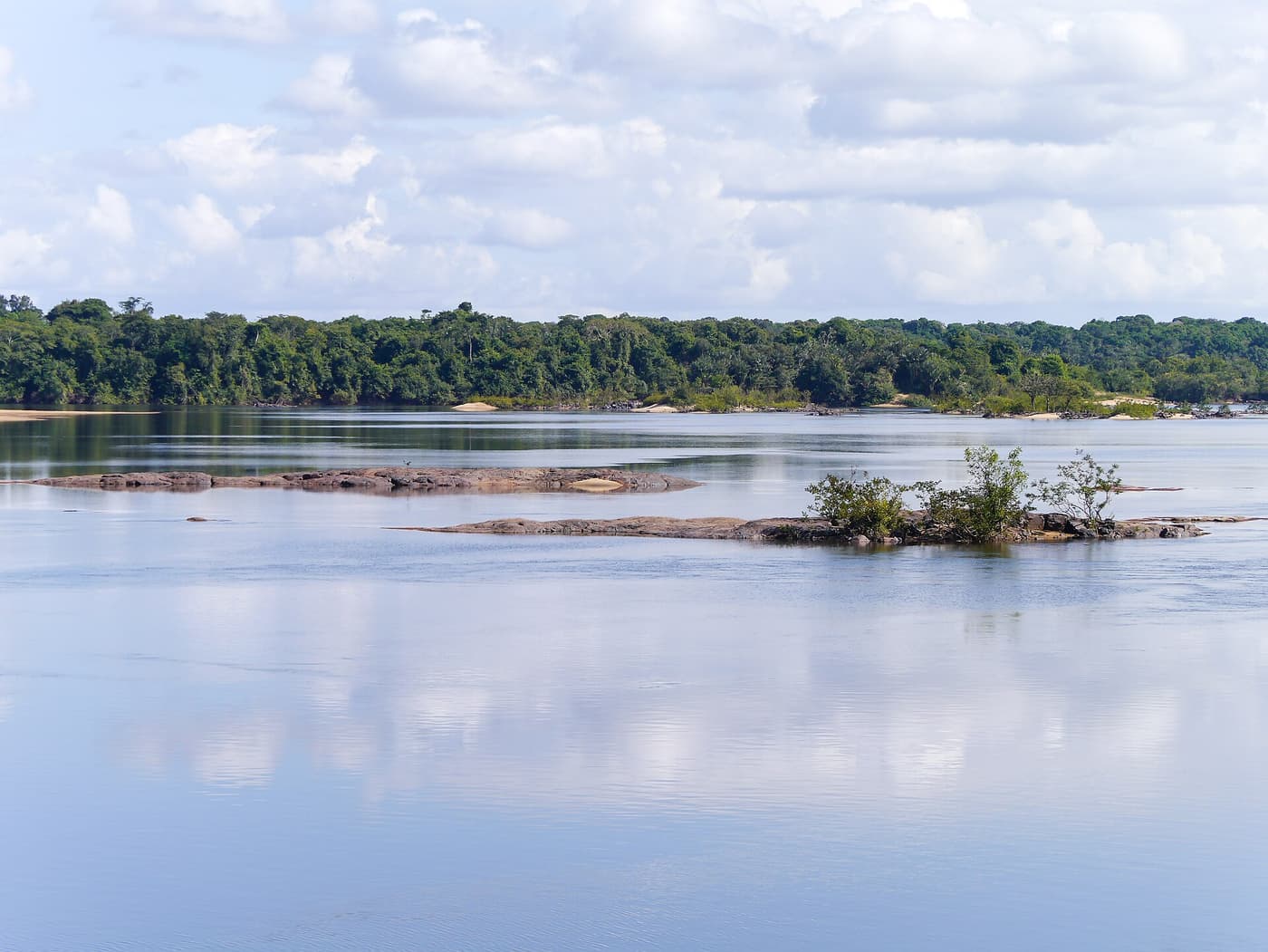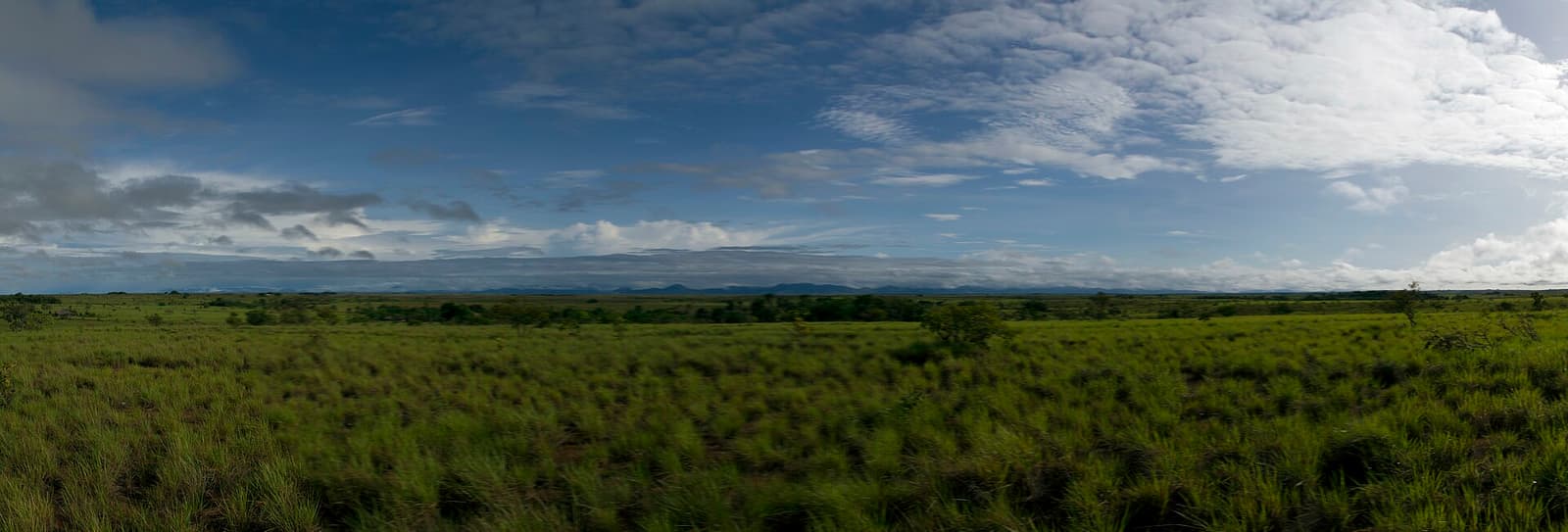
South of the Iwokrama forest the trees stop and the land opens into grassland dotted with sandpaper trees and termite mounds, crossed by the Rupununi River and walled on the south by the Kanuku Mountains. This is the Rupununi, a region the size of a small country with only a few tens of thousands of inhabitants. In the wet season much of it floods, and the waters of the Amazon and Essequibo basins briefly mingle — one reason its wildlife is so rich.
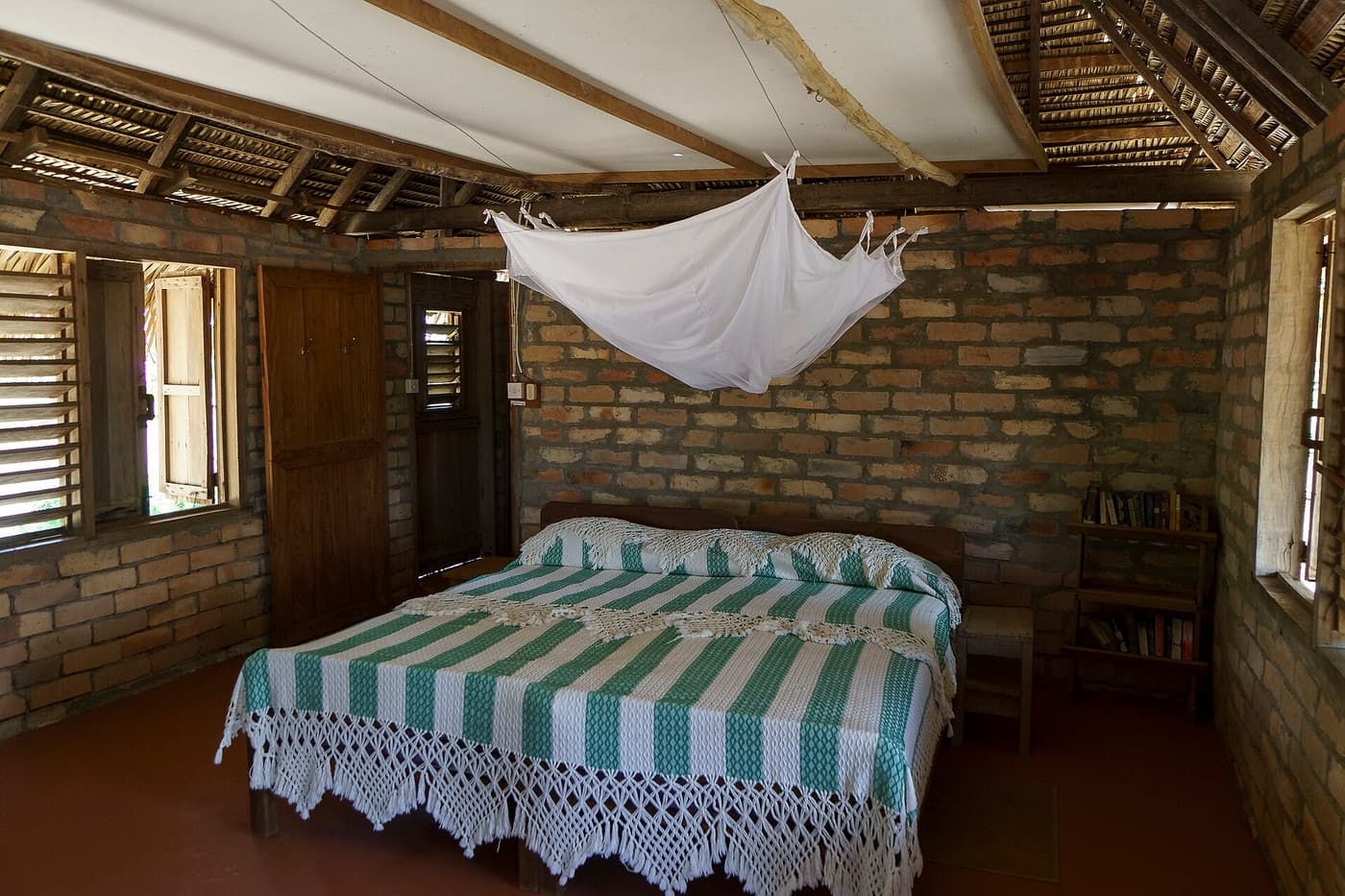
Tourism here grew out of the ranches. Karanambu, where the late Diane McTurk raised orphaned giant otters, set the pattern: a few thatched cabins, meals at the family table, and days spent on the river and the savannah. Villages followed with their own lodges — Caiman House at Yupukari, Rewa upriver — and working ranches such as Dadanawa and Waikin take guests too.
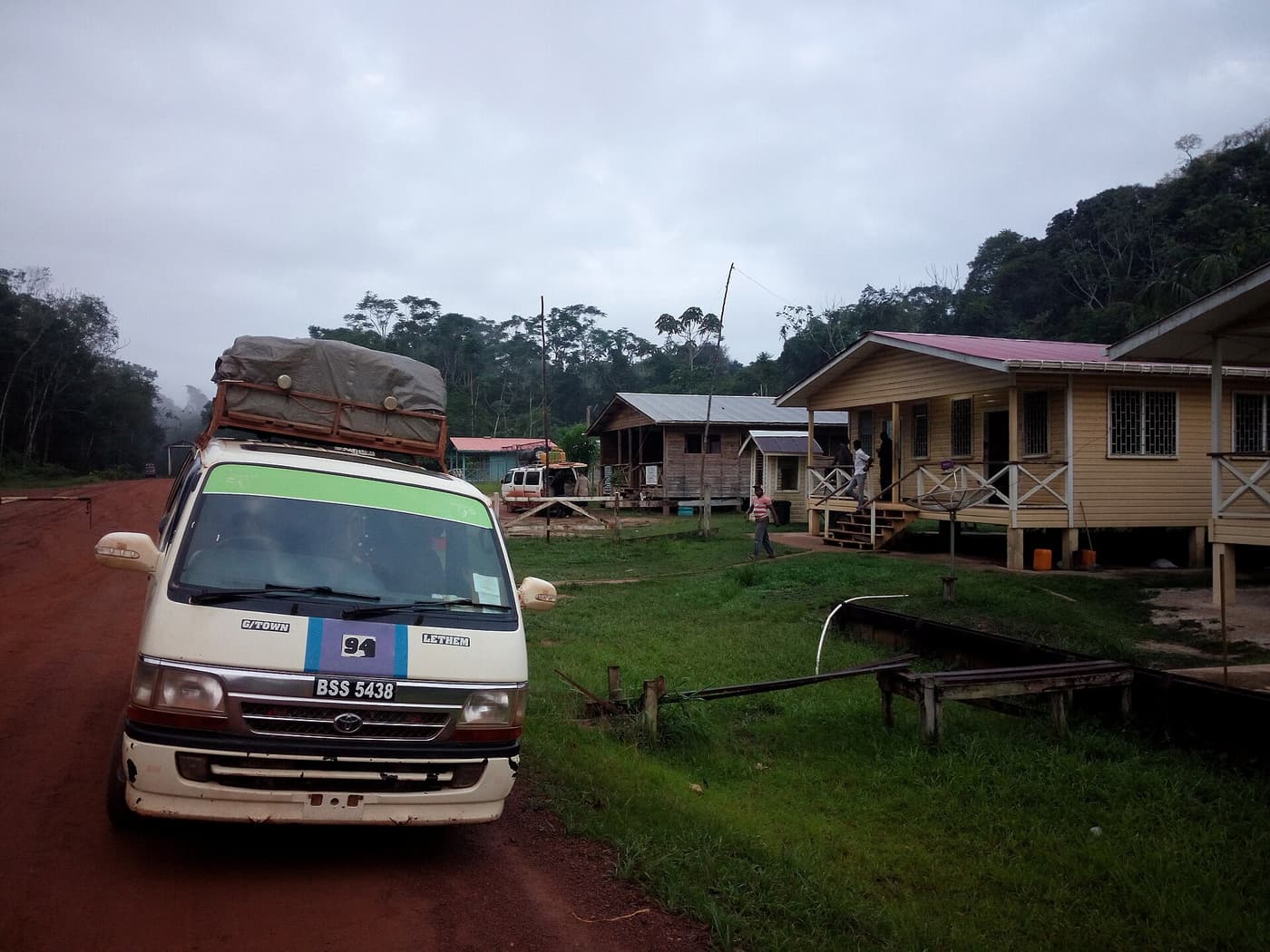
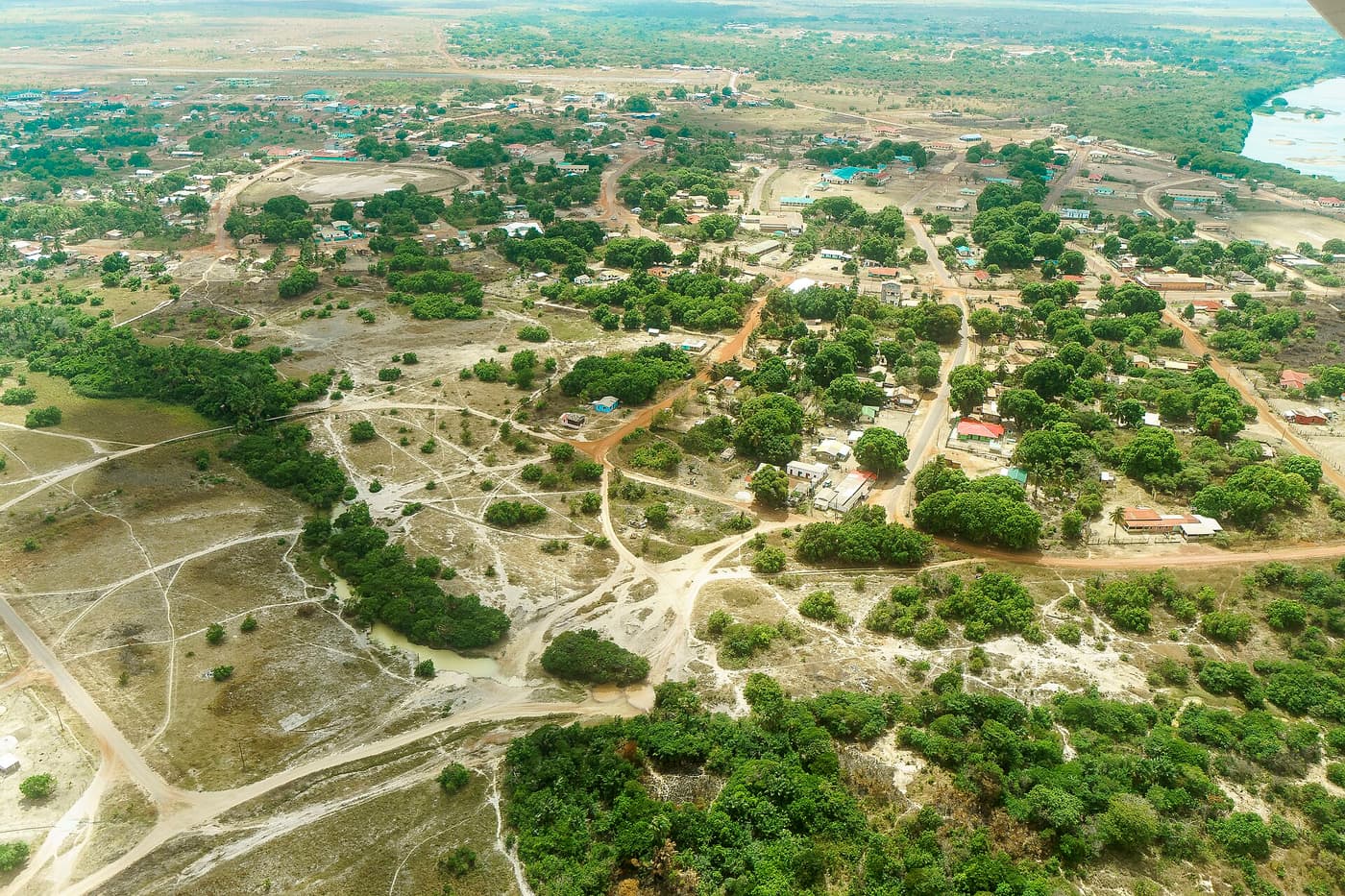
Lethem, on the Takutu River facing Brazil, is the only town: an airstrip, shops selling to Brazilian day-trippers, a few hotels and, every Easter, the Rupununi Rodeo.
Highlights
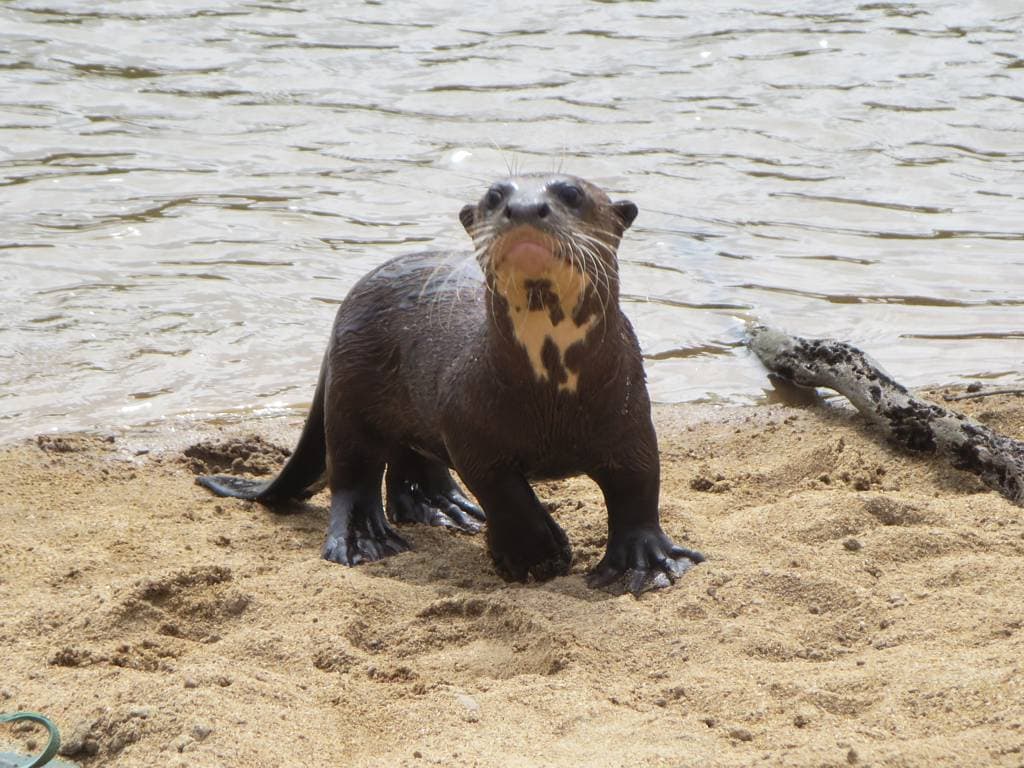
- Giant otters on the Rupununi River at Karanambu and Rewa
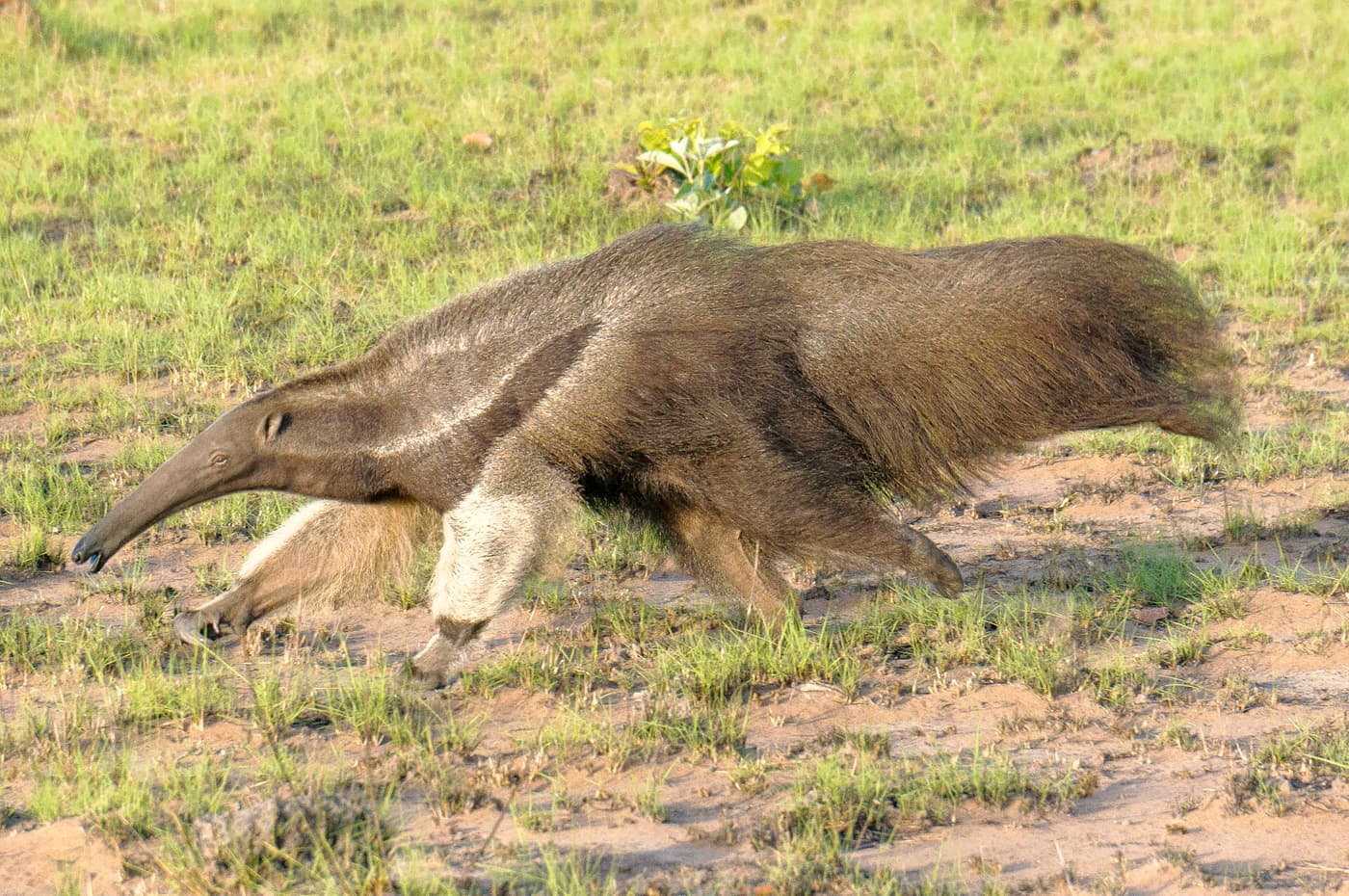
- Tracking a giant anteater across the savannah at dawn
- A night with the black caiman research team at Yupukari
- Victoria amazonica lilies opening at dusk
- Arapaima rolling in the ponds near Rewa
- Vaqueros, bareback bronc riding and dancing at the Easter rodeo
How long to stay
Give the Rupununi four to six nights, split between two lodges — for example Karanambu and Caiman House, or Karanambu and Rewa. Add nights for Dadanawa and the south, or for Surama and Annai on the way.
Best base
There is no single base. Choose lodges by interest: Karanambu for otters and anteaters, Caiman House for caiman and village life, Rewa for remote rivers, arapaima and fishing, Dadanawa or Waikin for ranch life, and Lethem for the rodeo and the border.