Guyana in brief
| Capital | Georgetown |
|---|---|
| Population | About 800,000, most of it on the coast |
| Language | English (official); Guyanese Creole; nine Indigenous languages |
| Currency | Guyanese dollar (GYD, written G$) |
| Time | UTC −4, no daylight saving |
| Electricity | A mix of 110 V and 220–240 V; plugs are mainly the North American flat-pin type, with some British sockets. Bring an adaptor and check your charger |
| Driving | On the left |
| Country code | +592 |
Entry rules
Visitors need a passport, and at least six months’ validity is the safe rule. Citizens of many countries — including the United States, Canada, the United Kingdom, most of the European Union and the CARICOM states — have been admitted without a visa for tourist stays, with the length of stay stamped on arrival. Other nationalities need a visa in advance. Immigration may ask for an onward ticket and the address of your first night.
These rules are revised from time to time. Check the current position with Guyana’s Ministry of Foreign Affairs or your nearest Guyanese embassy before booking, and do not rely on this page as legal advice.
Health
- Yellow fever. A vaccination certificate is required if you arrive from a country with risk of transmission, and neighbouring countries may ask for one when you arrive from Guyana. Vaccination is generally recommended for travel in the interior. Carry the certificate.
- Malaria. Present in the interior, with risk varying by region; Georgetown and the coastal strip are considered low risk. Ask a travel clinic about preventive tablets for your route, and use repellent, long sleeves and a net wherever one is provided.
- Other mosquito-borne illness. Dengue and similar infections occur, including on the coast. Daytime bite protection matters too.
- Water and food. Drink bottled, filtered or boiled water. Lodges provide safe drinking water; take a refillable bottle.
- Medical care. Georgetown has hospitals and private clinics; the interior has health posts only. Insurance that covers air evacuation is strongly advised.
- Sun and heat. The equatorial sun on a river or savannah is fierce. Hat, sunscreen and plenty of water every day.
Money
The Guyanese dollar has traded at a little over G$200 to the US dollar for some years. Guyana is largely a cash economy. ATMs at the main banks in Georgetown accept many foreign cards, though not every machine takes every card, and there are very few in the interior. Larger hotels, some restaurants and supermarkets take cards. US dollars in clean, recent notes are widely accepted by tour operators and lodges and easy to change at licensed cambios.
Tipping is appreciated rather than expected: around ten per cent in restaurants if service is not included, and a contribution to the staff or guide fund at lodges.
What a trip costs
Guyana is expensive by South American standards, and it is better to know that at the start.
| Item | Rough cost | Notes |
|---|---|---|
| Mid-range hotel in Georgetown | About US$100–200 a night | International-brand hotels cost more |
| Simple guesthouse | About US$40–80 a night | Limited choice; quality varies |
| Meal in a local restaurant | About US$5–15 | Hotel restaurants cost considerably more |
| Kaieteur Falls day flight | Several hundred US dollars per person | The GetYourGuide listing was from about €620 when we checked |
| Interior lodge | Commonly US$150–400 per person per night | Usually includes meals and guided activities |
| Domestic flight, one way | Roughly US$150–250 | Varies by route and airline |
| 4x4 transfer between lodges | From about US$100 to several hundred per vehicle | Depends on distance and road conditions |
| Bus Georgetown–Lethem | Roughly US$60–100 | The budget option |
All figures are indications to help you budget, not quotations. A ten-day interior trip with flights, lodges and guiding commonly comes to several thousand US dollars per person. The main ways to spend less are to travel as a group of four or more, use the road instead of flights, stay at community-run lodges and concentrate on fewer places.
Safety
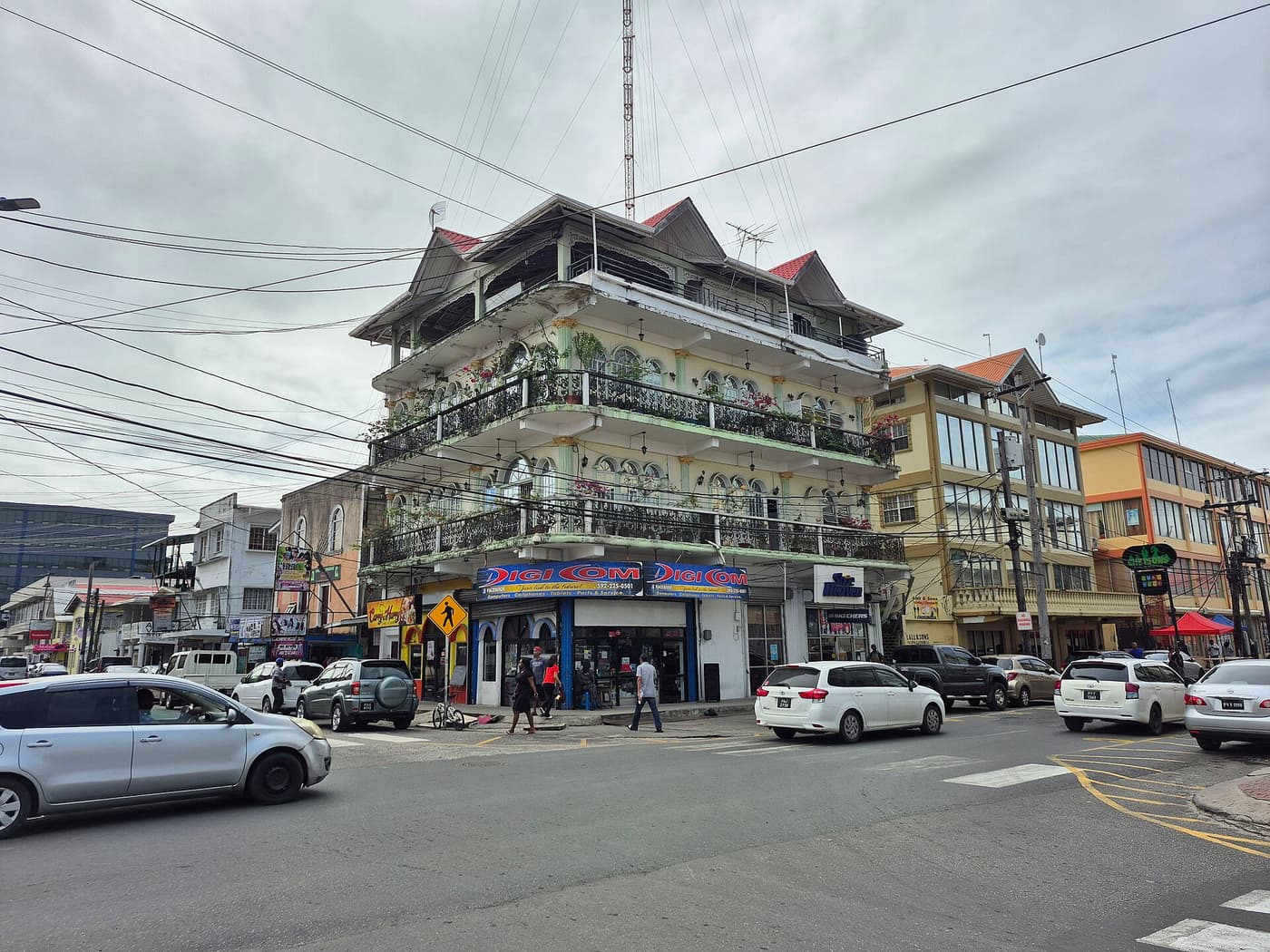
Guyanese are hospitable and most visits pass without any trouble. Even so, Georgetown has a significant level of street crime, including robbery, and most foreign ministries advise visitors to take particular care there. In practice:
- Take a taxi from a known company after dark, even for short distances; hotels and restaurants will call one.
- Leave jewellery, passports and spare cash in the hotel safe; carry a copy of your passport.
- Be alert around Stabroek Market and the minibus parks, and ask your hotel which streets to avoid. The seawall and the gardens are best visited in daylight or at the busy times when families are out.
- Keep phones and cameras out of sight when not in use.
The interior is a different world: lodges and villages are generally regarded as safe, and the hazards are environmental — river travel, heat, insects and remoteness. Mining areas can be rougher; go with a guide. Always read your own government’s current travel advice before you go.
Visiting Indigenous communities
About one in ten Guyanese is Indigenous — the usual local term is Amerindian — belonging to nine nations, among them the Makushi, Wapishana, Patamona, Arawak (Lokono) and Wai-Wai. Villages hold legal title to their lands and are governed by an elected council led by a toshao. Community tourism is run by the villages themselves, and you are a guest on private land.
- Come by arrangement. Visits and overnight stays are organised through the village’s lodge or council, not by turning up.
- Ask before photographing people, homes or ceremonies, and accept a no.
- Respect local rules, including any restrictions on alcohol; dress modestly away from the lodge.
- Pay the set fees and buy crafts directly — hammocks, basketry, balata figures, cassava products. Do not bargain hard.
- Do not hand out sweets or money to children; ask the toshao or the school how to help if you wish to.
- Leave no rubbish. Waste is hard to dispose of in the interior; carry out batteries and plastics.
Culture and people
Guyana is in South America geographically and in the Caribbean in almost every other sense: it is the only English-speaking country on the continent, a founding member of CARICOM, and plays cricket for the West Indies. Its people trace their roots to India, Africa, the Indigenous nations, Portugal, China and Europe, and the calendar reflects it — Mashramani (Republic Day, 23 February), Phagwah, Easter with its kites, Eid, Emancipation Day, Diwali and Christmas are all national occasions. People are direct, humorous and usually happy to talk. Greet before you ask for anything; “good morning” or “good afternoon” is expected.
Food and drink
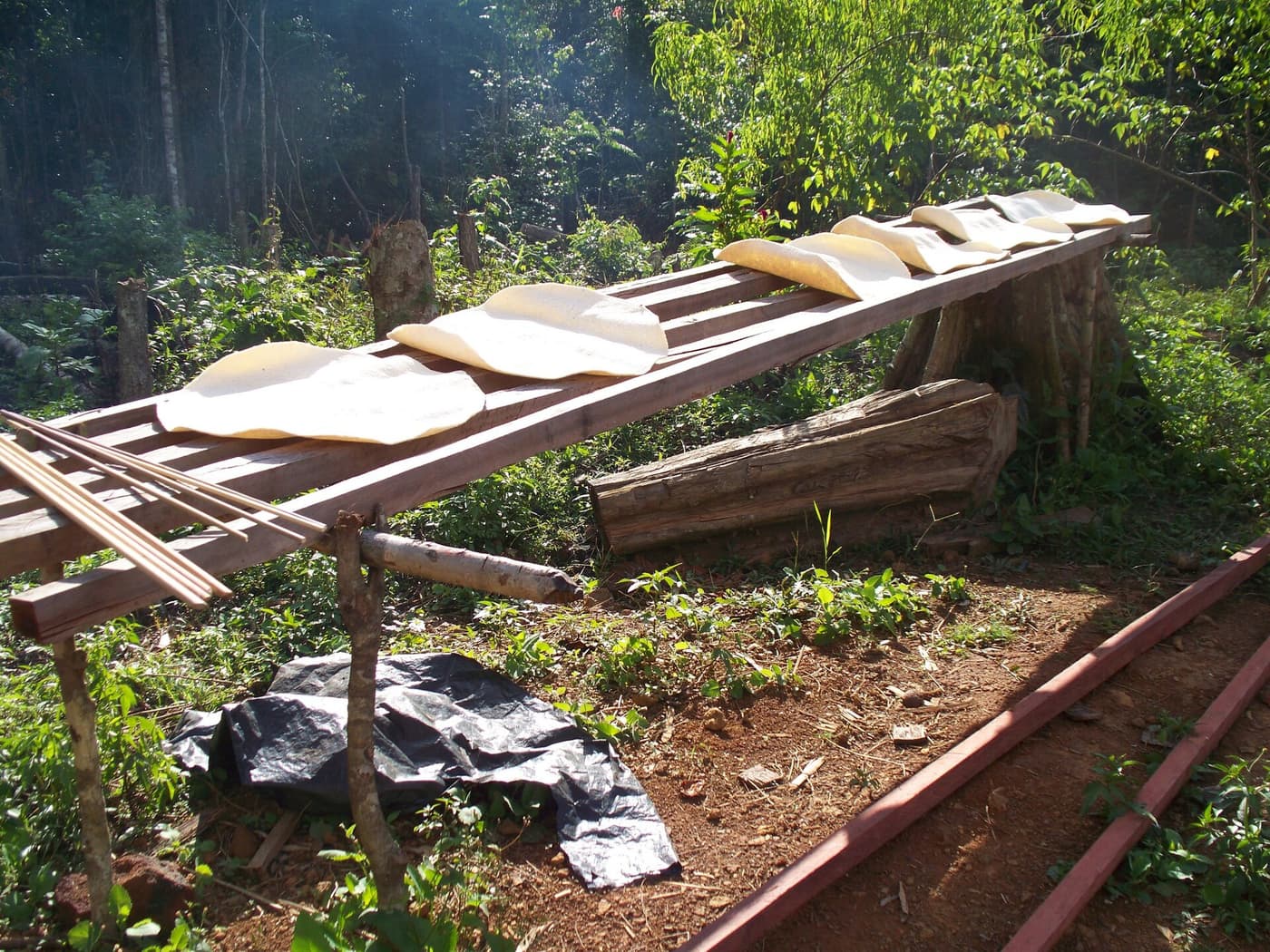
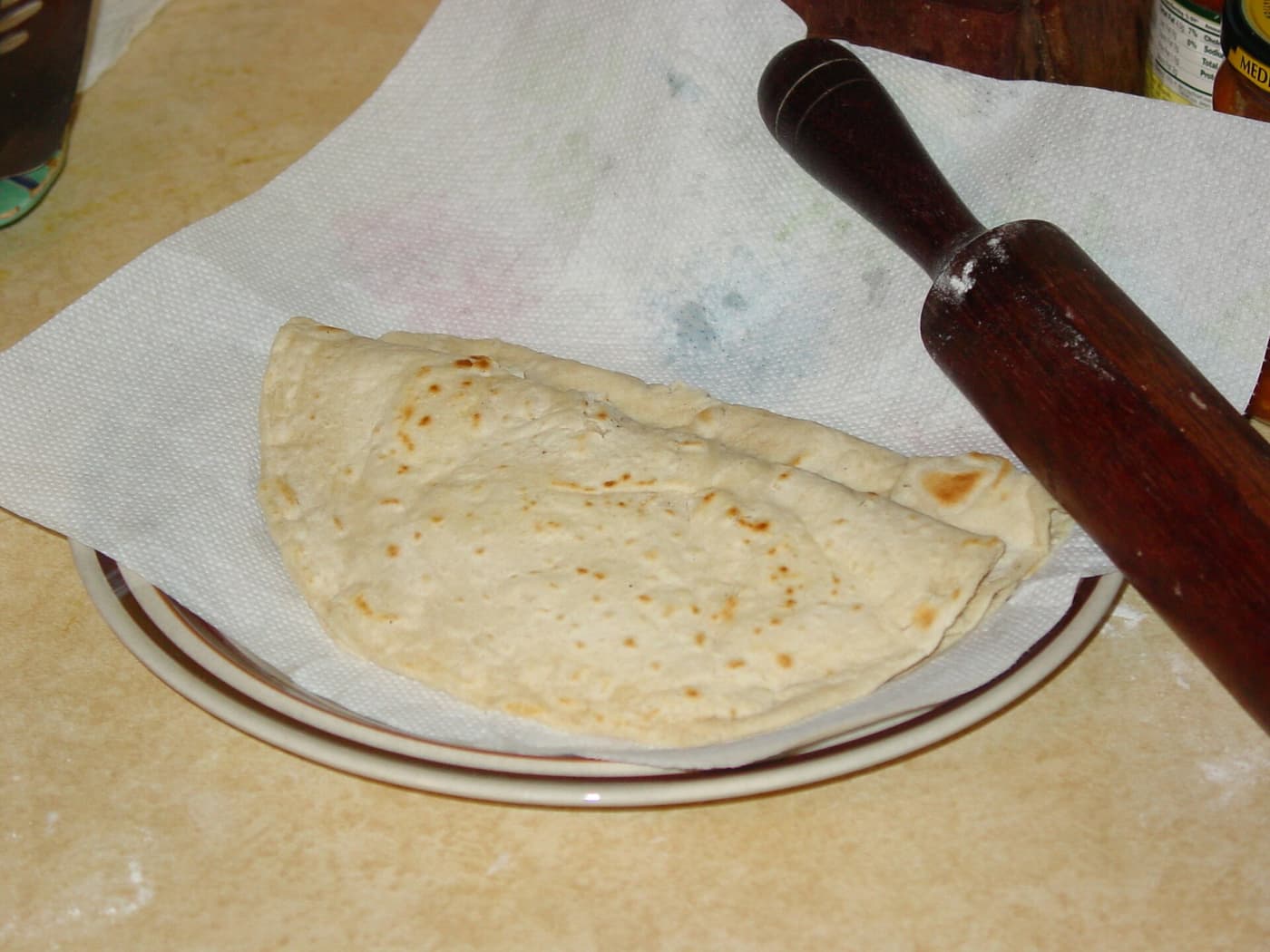
Guyanese cooking draws on all of those roots. Look for pepperpot, meat stewed with cassareep, a dark sauce made from cassava; cook-up rice with peas and coconut milk; curry and roti; metemgee, ground provisions simmered in coconut; street snacks such as pholourie and egg ball; and, in the interior, cassava bread, farine and smoked or dried meat and fish. Demerara rum — El Dorado is the best-known label — and Banks beer are the national drinks; fresh fruit juices are excellent. Vegetarians do well in Georgetown and should tell interior lodges in advance.
Connectivity
Mobile coverage is good along the coast and in the main towns, and patchy to non-existent in the interior. Local SIM cards are sold in Georgetown with a passport. A growing number of lodges offer satellite Wi-Fi, often limited to certain hours or a central building; plan to be mostly offline and download maps and documents beforehand.
What to pack for the interior
- A soft bag within the domestic baggage allowance, and a small daypack
- Light long-sleeved shirts and trousers in neutral colours; a rain jacket or poncho
- Closed walking shoes that can get wet, and sandals
- Insect repellent, sunscreen, hat, sunglasses
- A torch or head torch with spare batteries; a power bank
- Binoculars — the single most useful item
- Dry bags or zip bags for electronics; a refillable water bottle
- Personal medicines, and cash in small US-dollar notes
Accessibility
Guyana is a difficult destination for travellers with limited mobility. Pavements in Georgetown are uneven, small aircraft and boats require steps and scrambling, and lodges are spread over rough ground. Some trips are still possible with planning: speak frankly with an operator about boarding, paths and bathroom facilities before you commit.