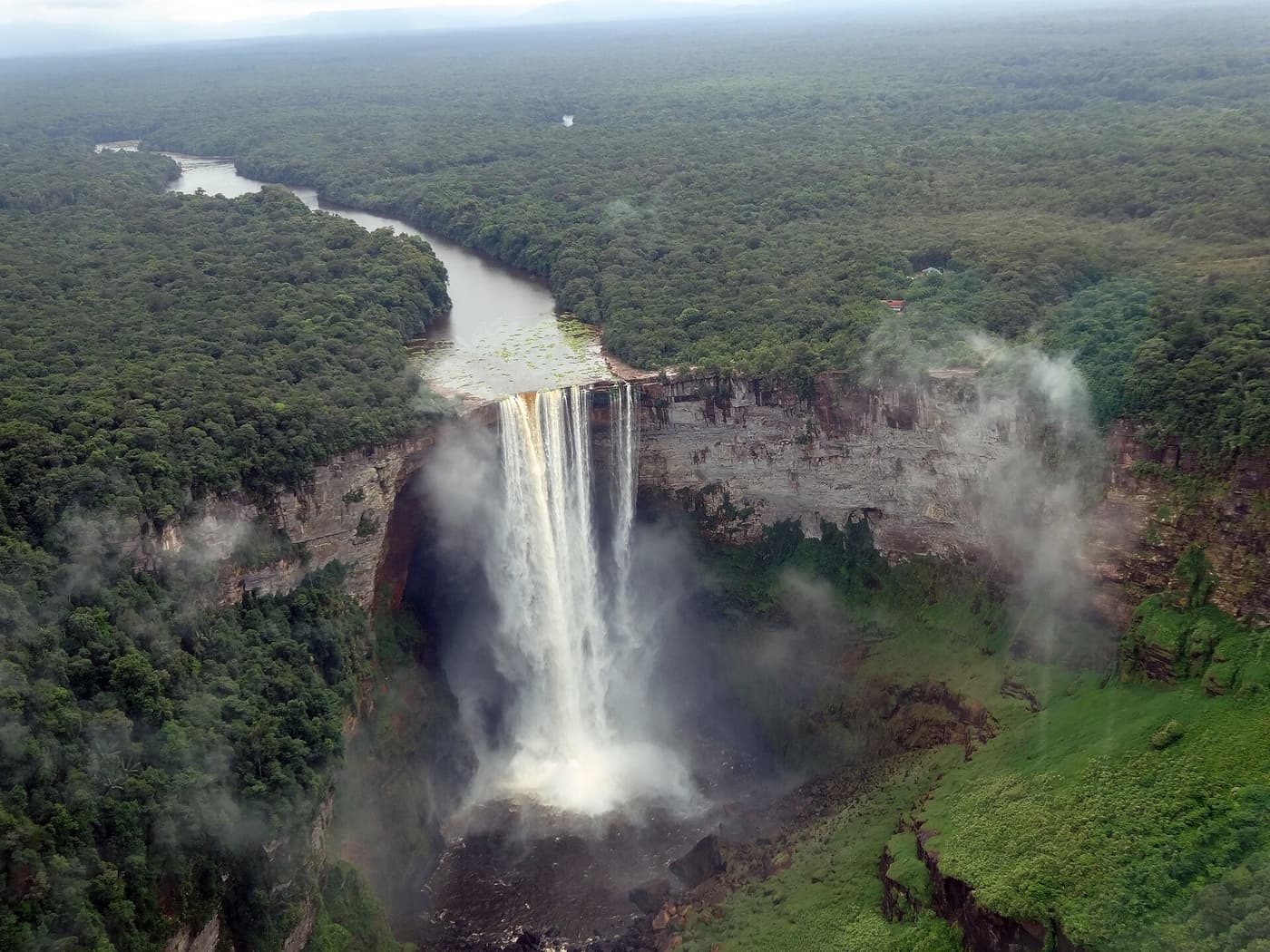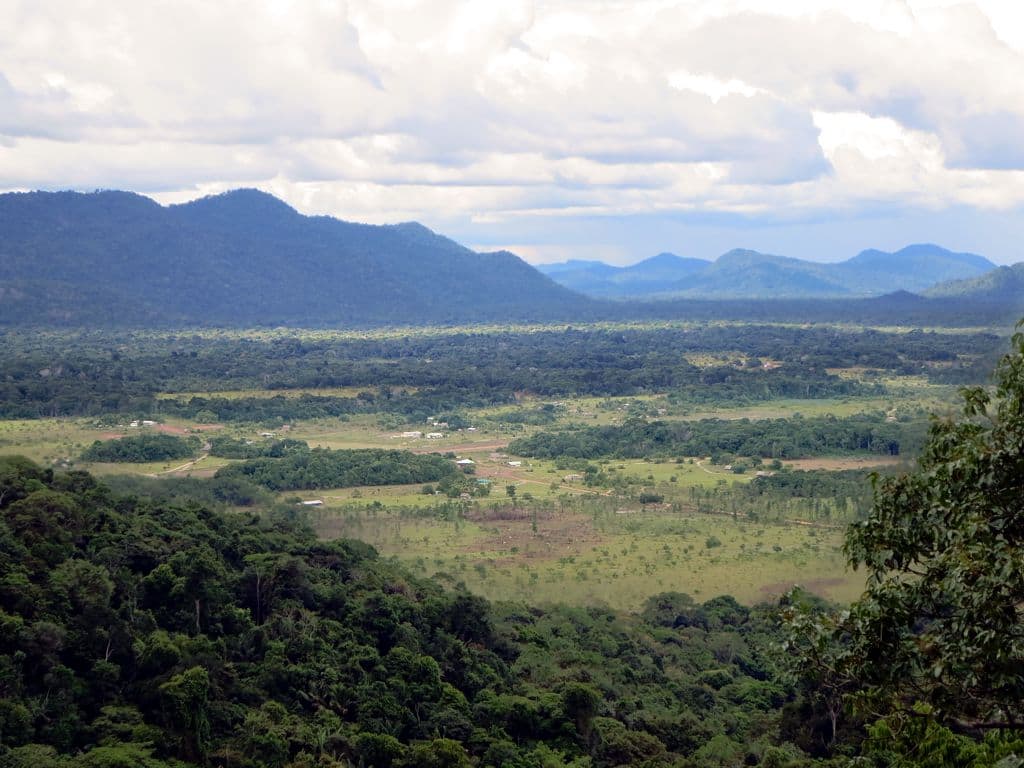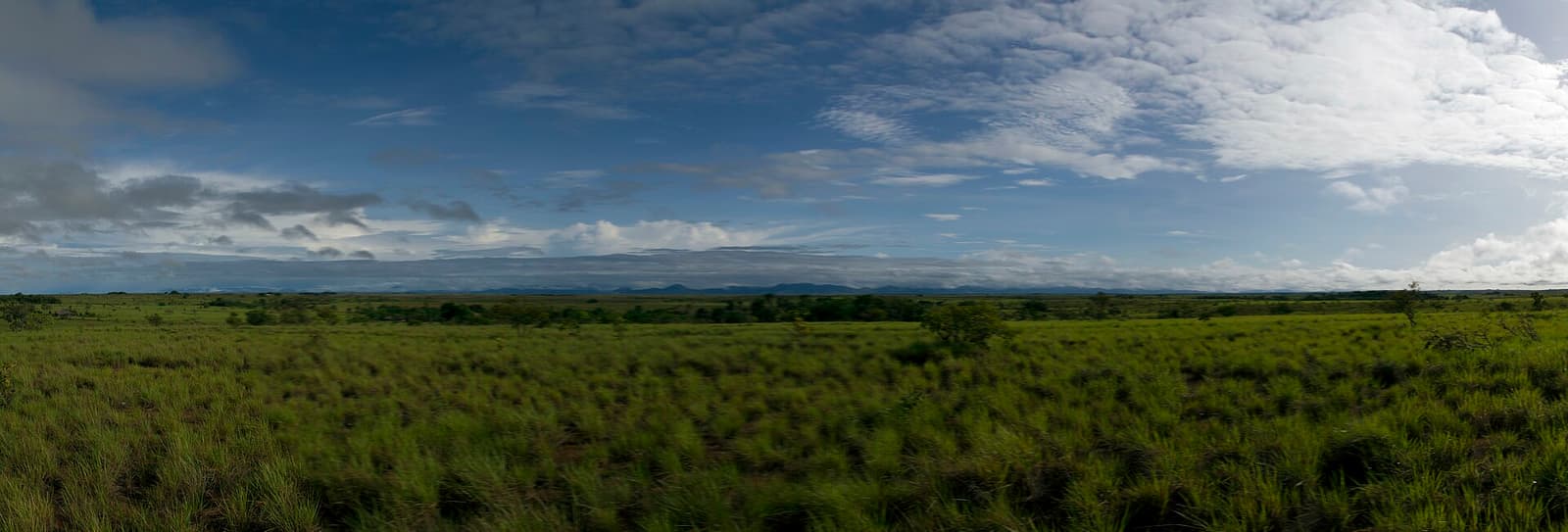
Iwokrama is both a place and an idea. In the 1990s Guyana set aside about 371,000 hectares — close to a million acres — of its central forest to show that a rainforest could earn its keep while being kept intact. The Iwokrama International Centre manages it for research, carefully limited timber harvesting and tourism, in partnership with the Makushi communities around it.
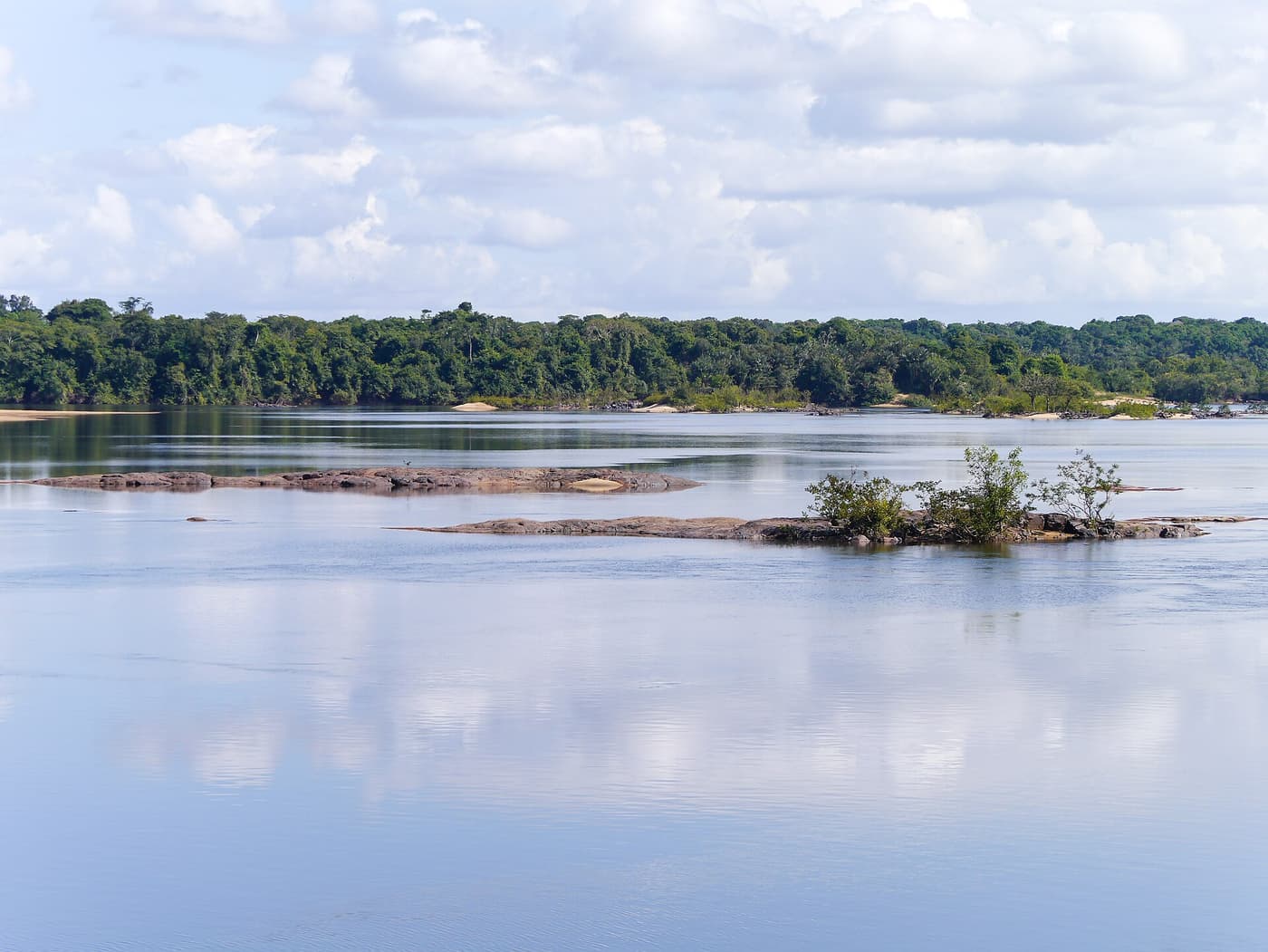
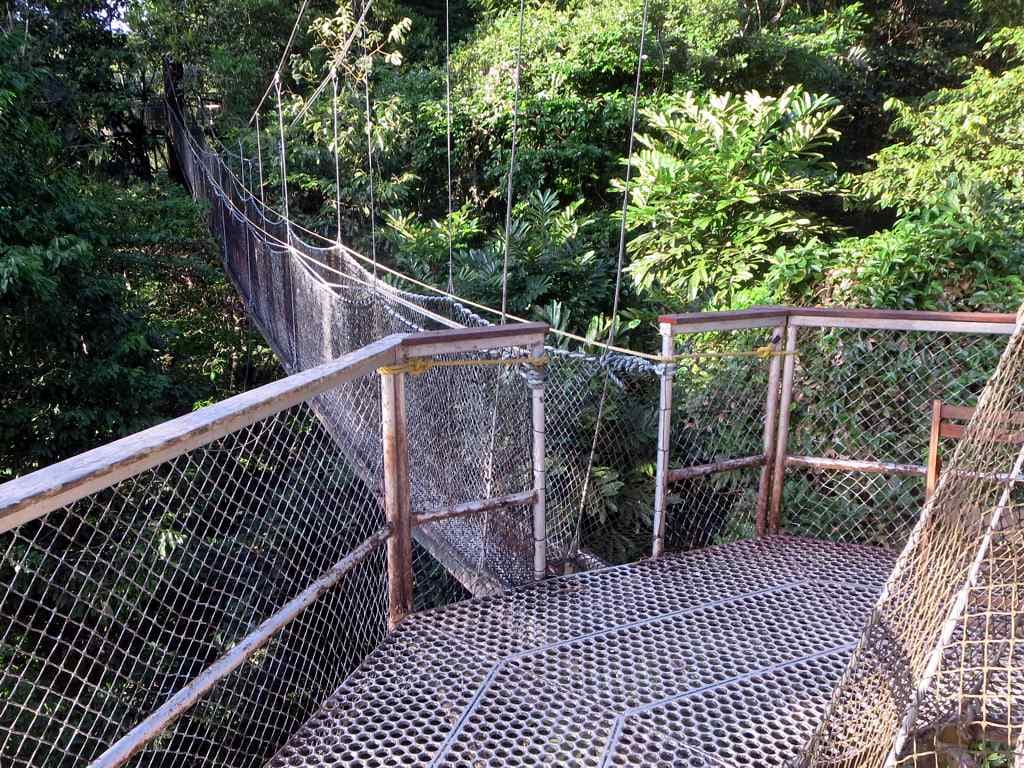
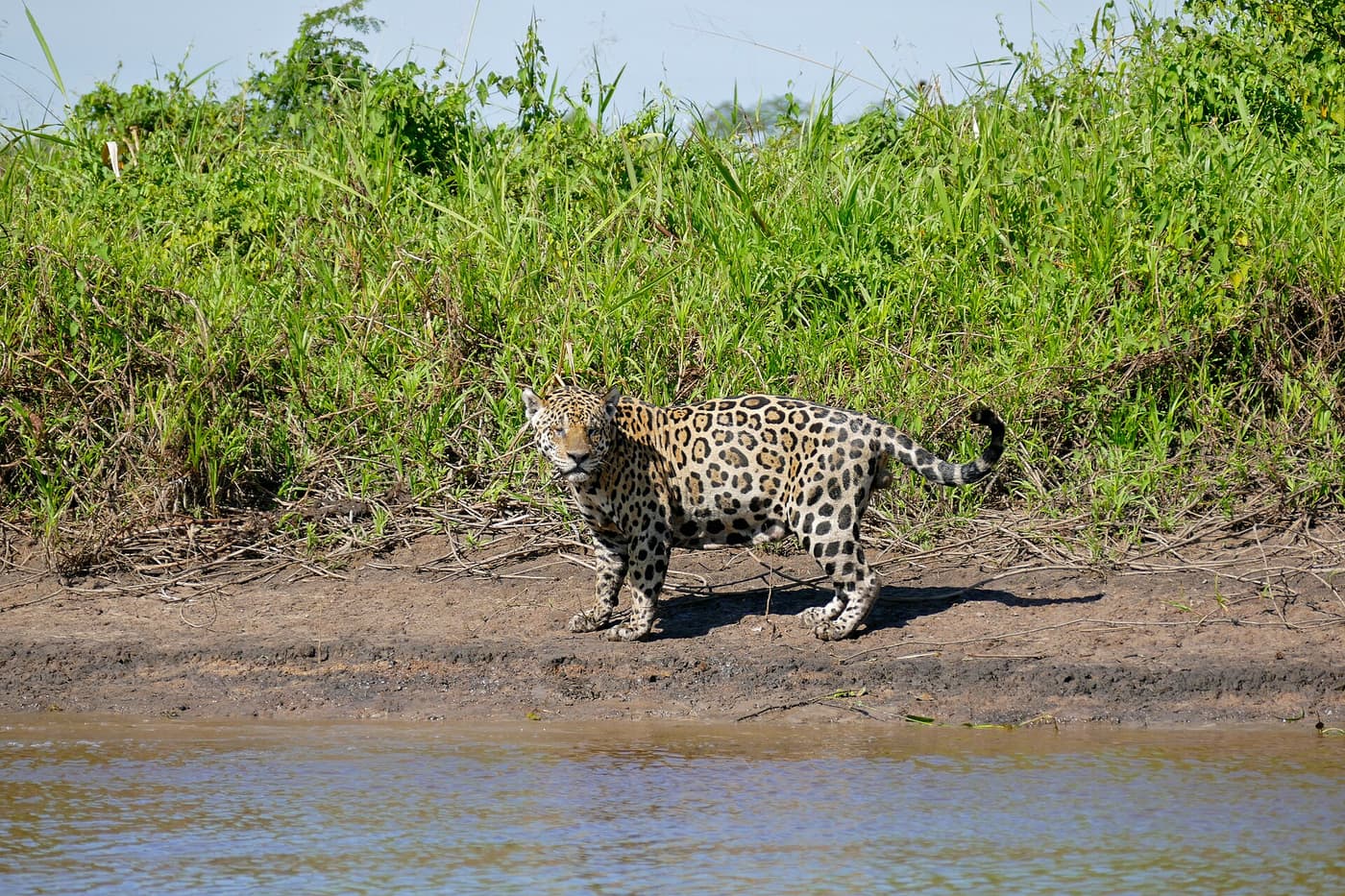
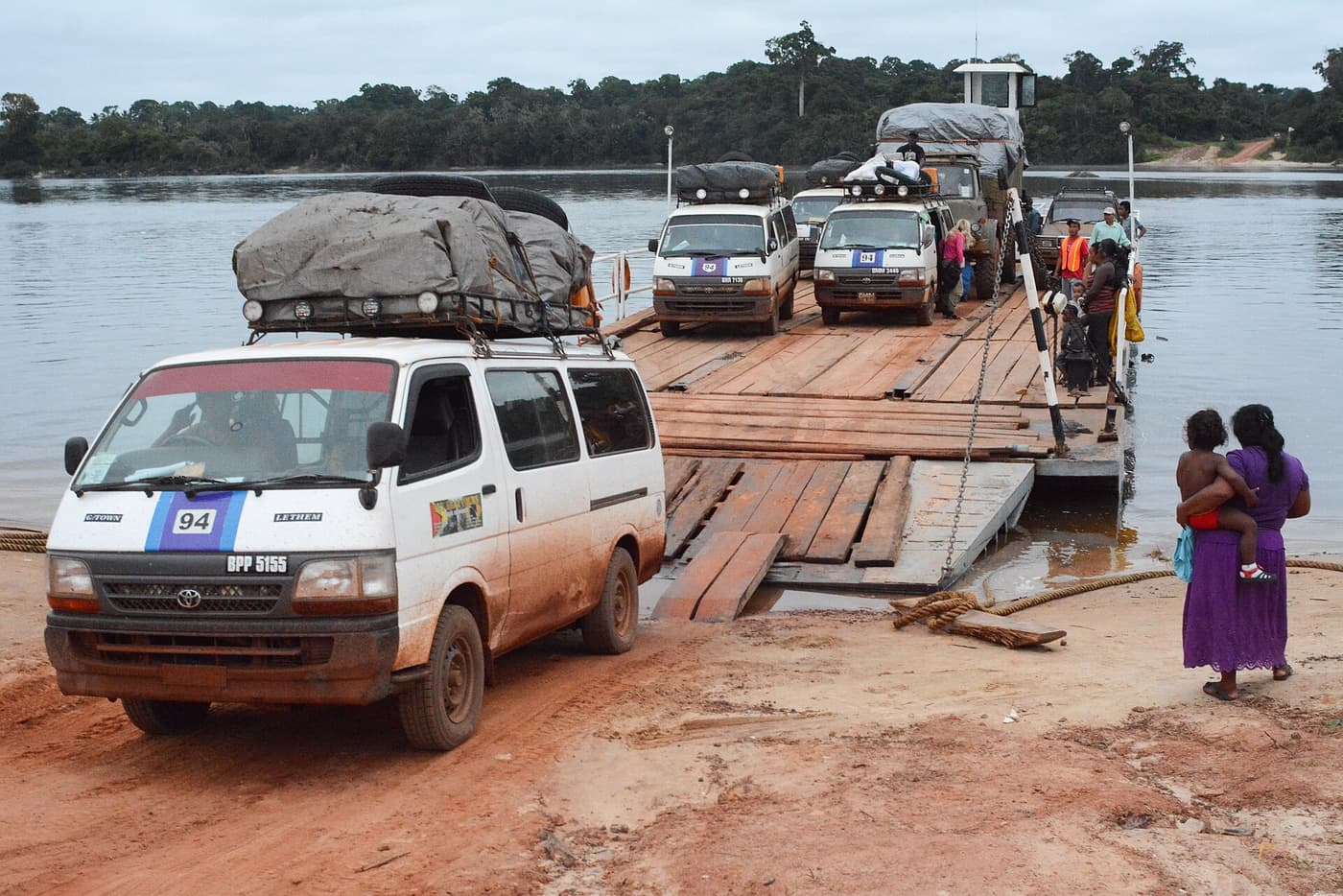
For visitors it means primary rainforest with good access. The Georgetown–Lethem road runs for some 70 km through the reserve, and at dawn and dusk that quiet red-earth corridor is the best place in Guyana to meet a jaguar — never guaranteed, but seen often enough that people come for it. At the northern edge, Iwokrama River Lodge stands on the bank of the Essequibo; near the southern edge, Atta Rainforest Lodge sits a short walk from the canopy walkway, a chain of suspension bridges up to 30 metres above the ground.
Highlights
- Dawn on the canopy walkway among toucans, macaws and howler monkeys
- Driving the forest road at dusk in search of jaguar
- The climb to the summit of Turtle Mountain
- Night boat trips for black caiman, tree boas and nightjars
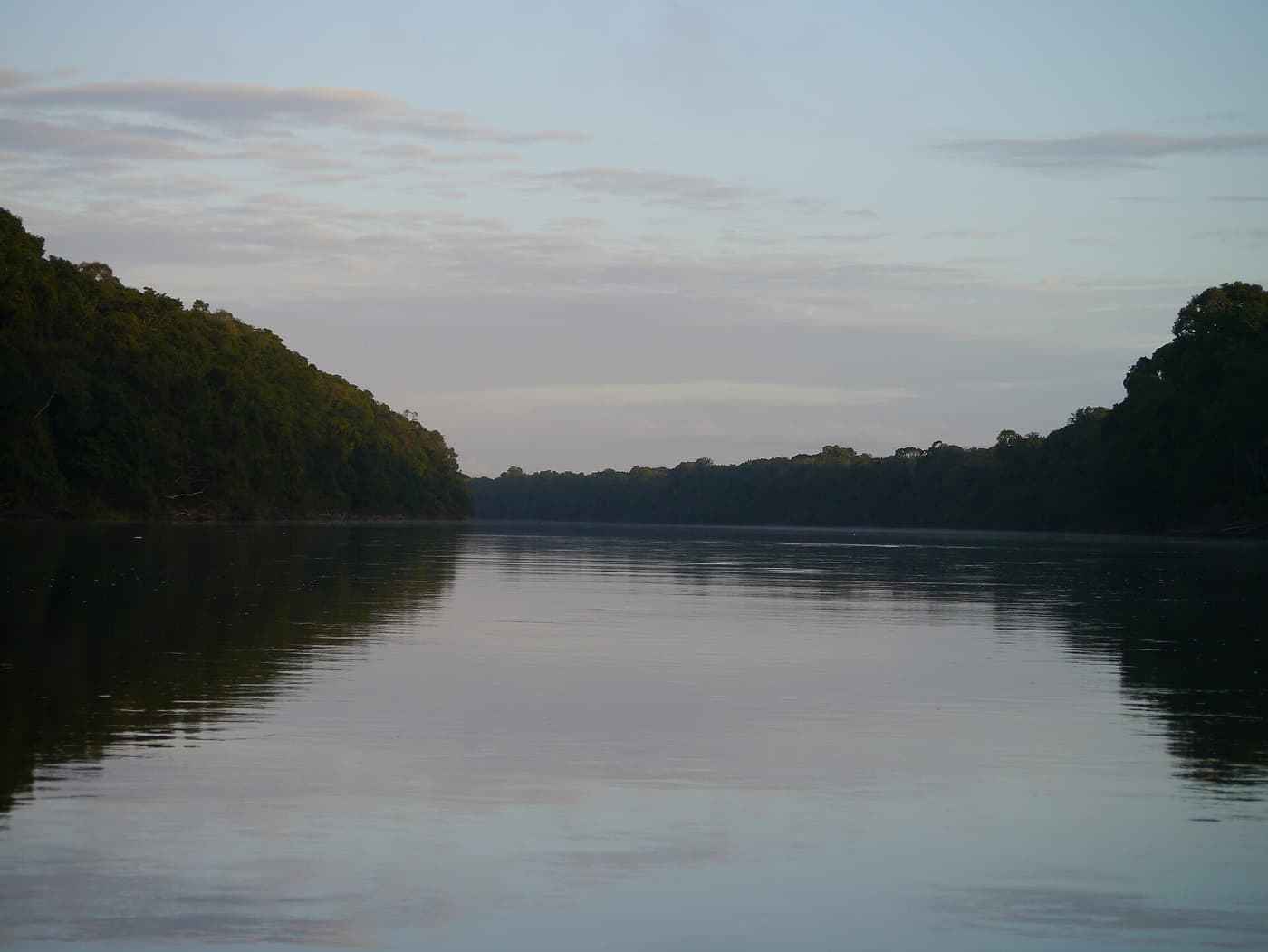
- Petroglyphs and rapids on the Essequibo
- Some of the best forest birding in the Guiana Shield
How long to stay
Stay three nights: two at Iwokrama River Lodge and one at Atta, or the reverse. That gives two dawns, two dusks and a night trip — the times when the forest is active. Most visitors continue south to Surama and the Rupununi.
Best base
Iwokrama River Lodge is best for river trips, Turtle Mountain and learning about the reserve; Atta is best for the walkway and birds. They are about an hour and a half apart by road, and the drive between them is the prime jaguar stretch.