The accessible sights are all on the northern and western foothills within reach of Lethem. Roads are sandy tracks, slow after rain.
1 The range from the savannah
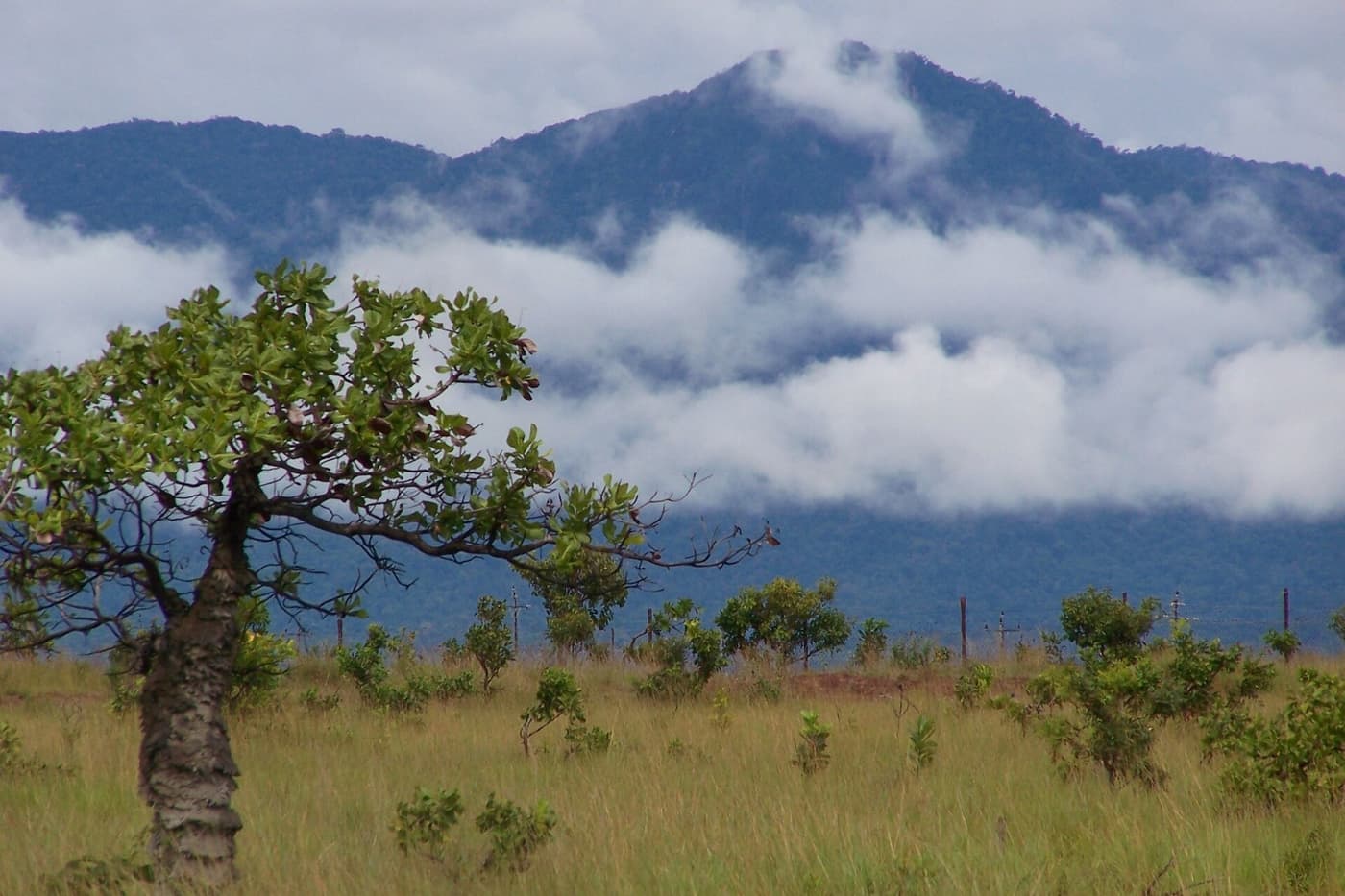
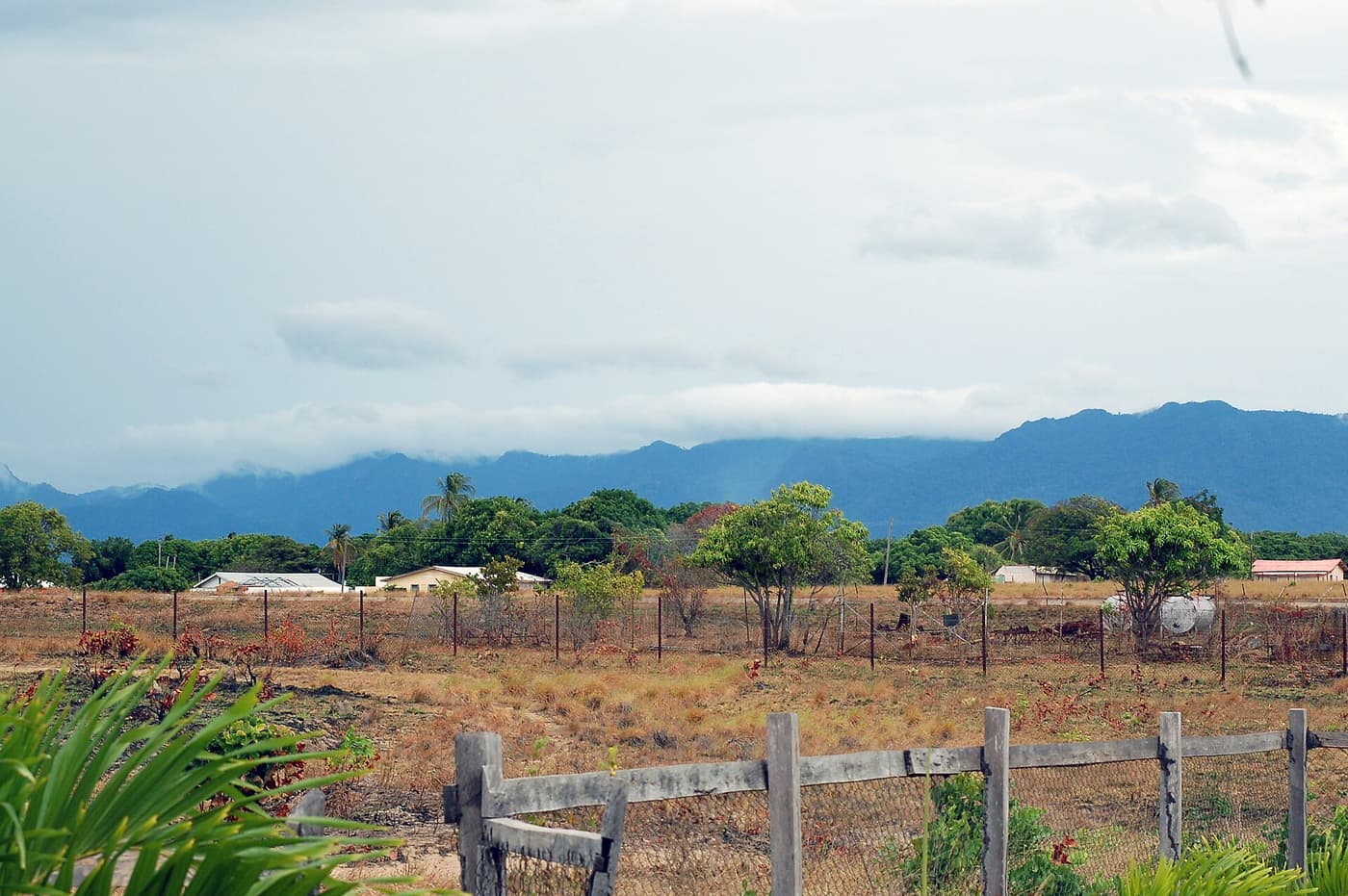
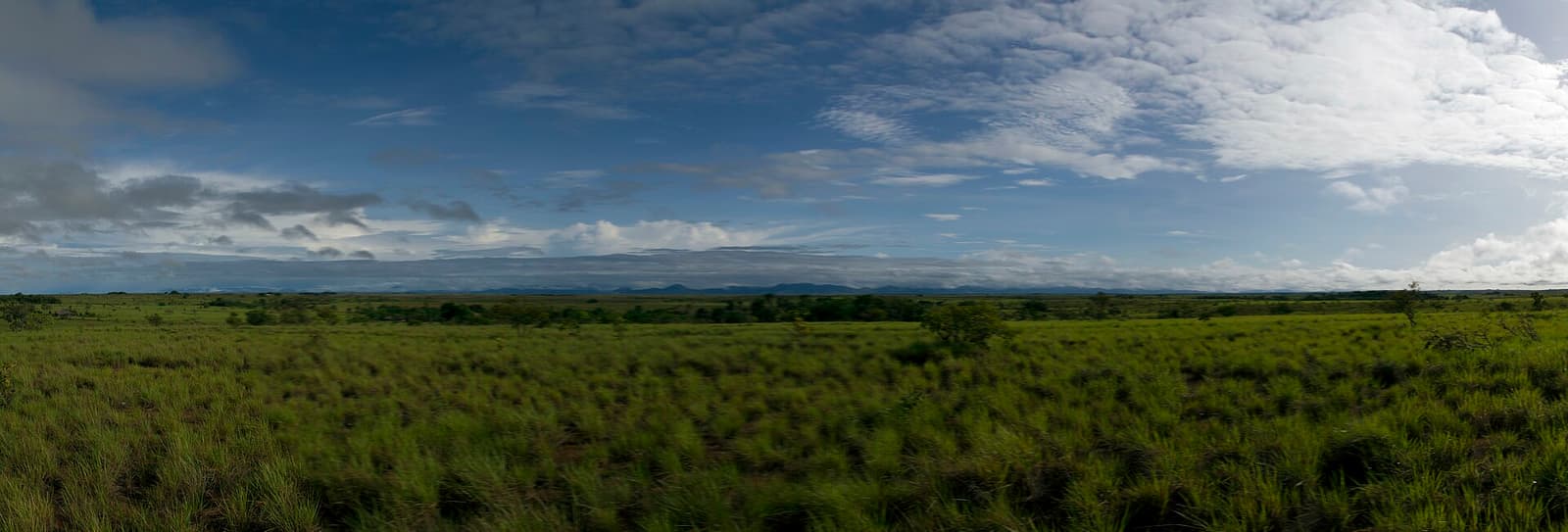
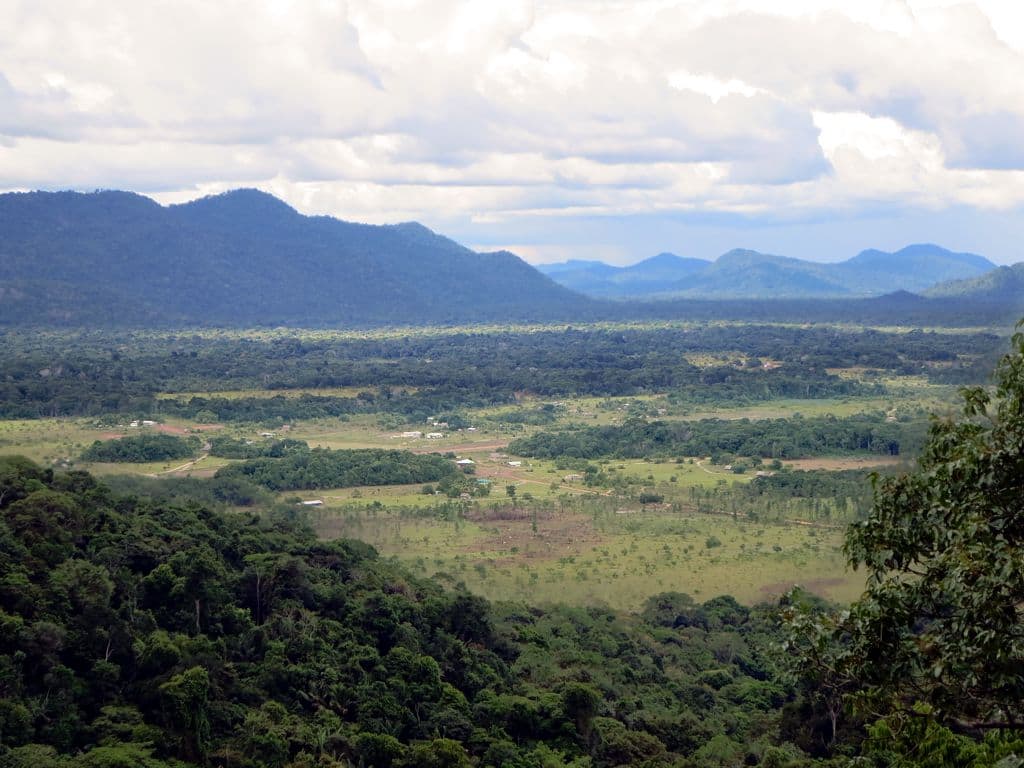
The abrupt meeting of flat grassland and forested mountain is the defining view of the Rupununi. The track from Lethem towards Nappi and the St Ignatius area give fine panoramas, best in early or late light when the ridges stand out in layers.
Practical: Seen on any drive south or east of Lethem.
2 Nappi, Maipaima and Jordan Falls
Nappi is a Makushi village known for carving figures from balata, a natural latex. Its eco-lodge, Maipaima, stands in forest at the foot of the mountains; from there a trail climbs through tall forest to Jordan Falls, a cascade over a rock face with a camp nearby.
Practical: About 1–1½ hours by 4x4 from Lethem to Nappi. Jordan Falls is a full-day or overnight hike.
3 Moco Moco Falls
A series of cascades and pools on a mountain stream, beside the long flight of steps of a small hydropower station that was put out of action by a landslide years ago. The climb gives a view back over the savannah.
Practical: About 30–40 minutes from Lethem. Village entry fee. The steps are steep.
4 Kumu Falls
A popular local picnic spot where a stream drops over smooth boulders into bathing pools shaded by forest.
Practical: About 30–40 minutes from Lethem. Small entry fee. Busy at weekends and holidays, quiet otherwise.
5 Harpy eagle nests
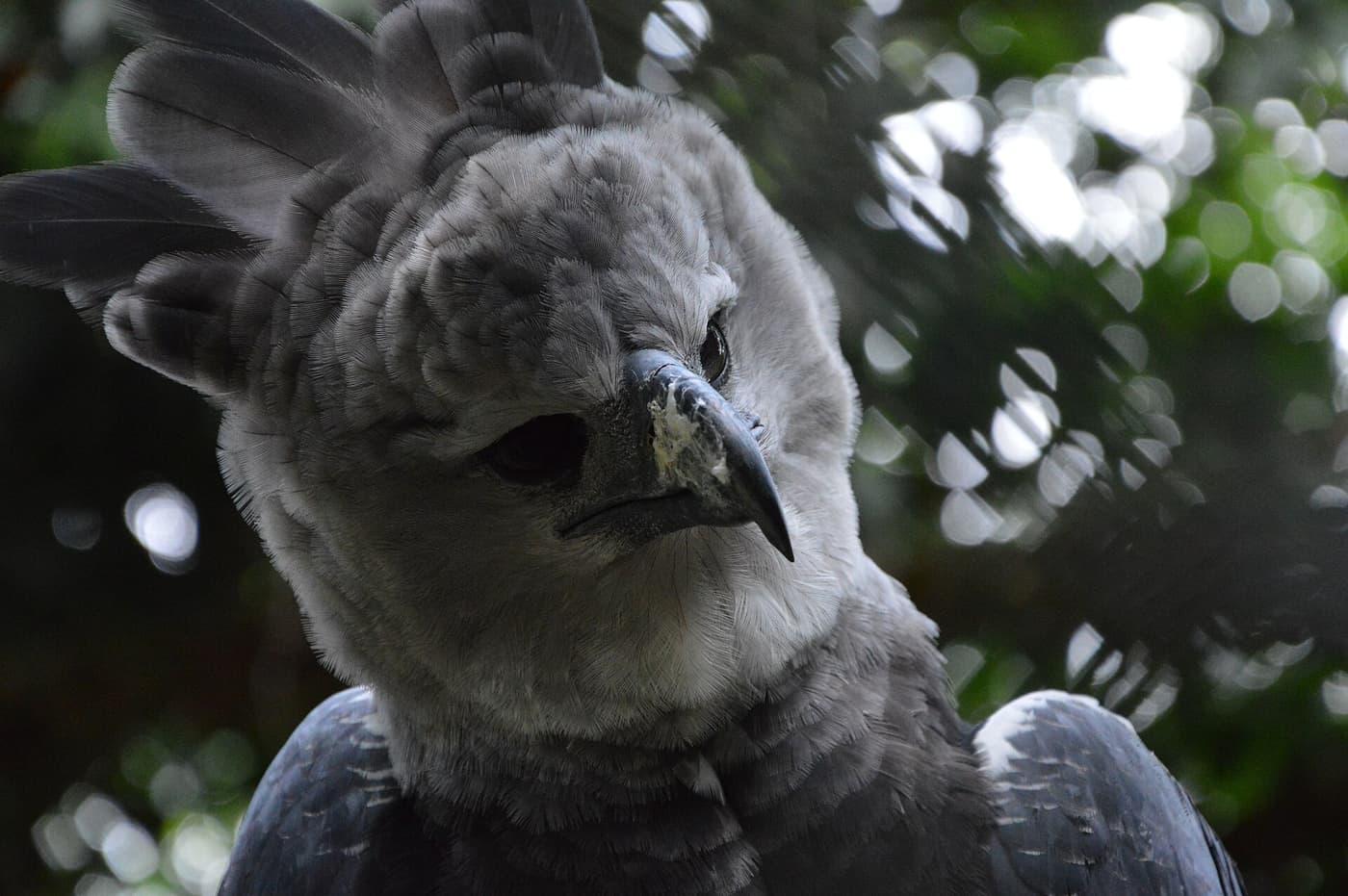
Harpy eagles nest in the crowns of the tallest emergent trees and reuse sites over many years. A visit means walking quietly to a spot some distance from the tree and waiting for an adult to bring in prey — sloths and monkeys — or for the chick to move about.
Practical: Half-day to full-day hikes with village guides, depending on the nest. Binoculars or a long lens essential.
6 The Rupununi River gap
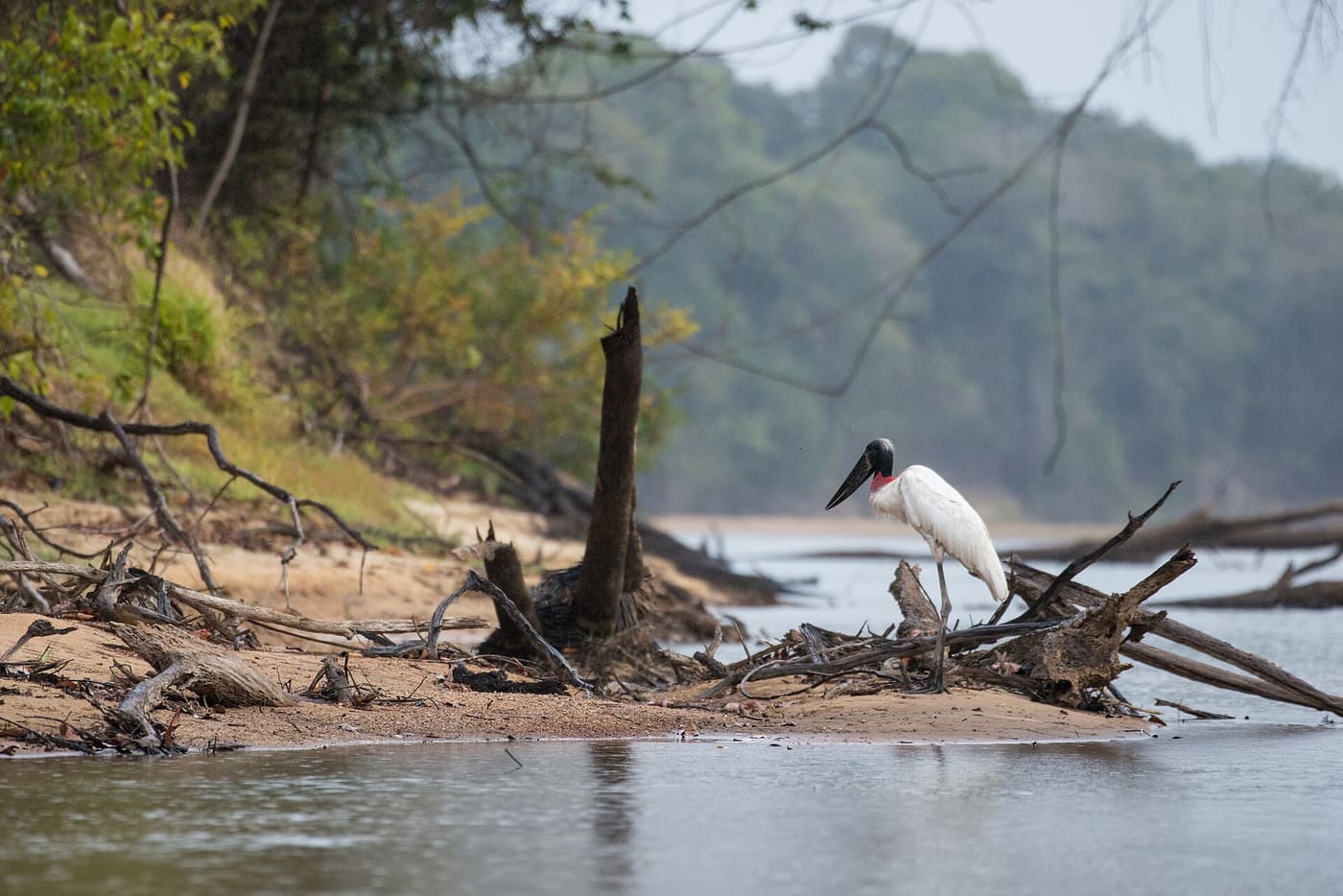
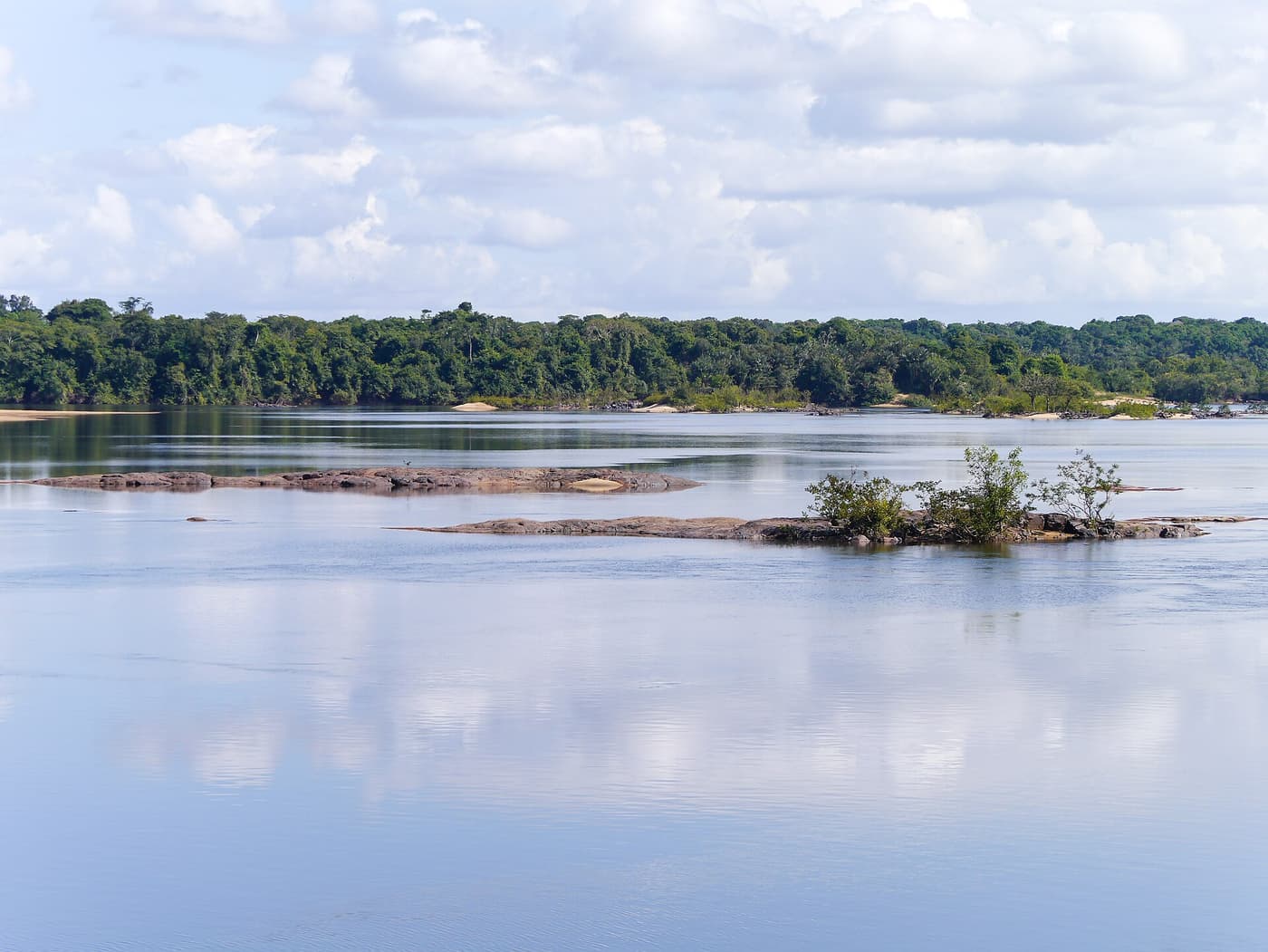
Where the Rupununi River cuts between the eastern and western Kanukus, boat trips from the savannah enter a corridor of forest with giant otters, black caiman, jabiru storks and capybara, and reach simple camps on tributaries such as the Mapari.
Practical: Two to four days by boat with an outfitter; dry season only for some stretches.