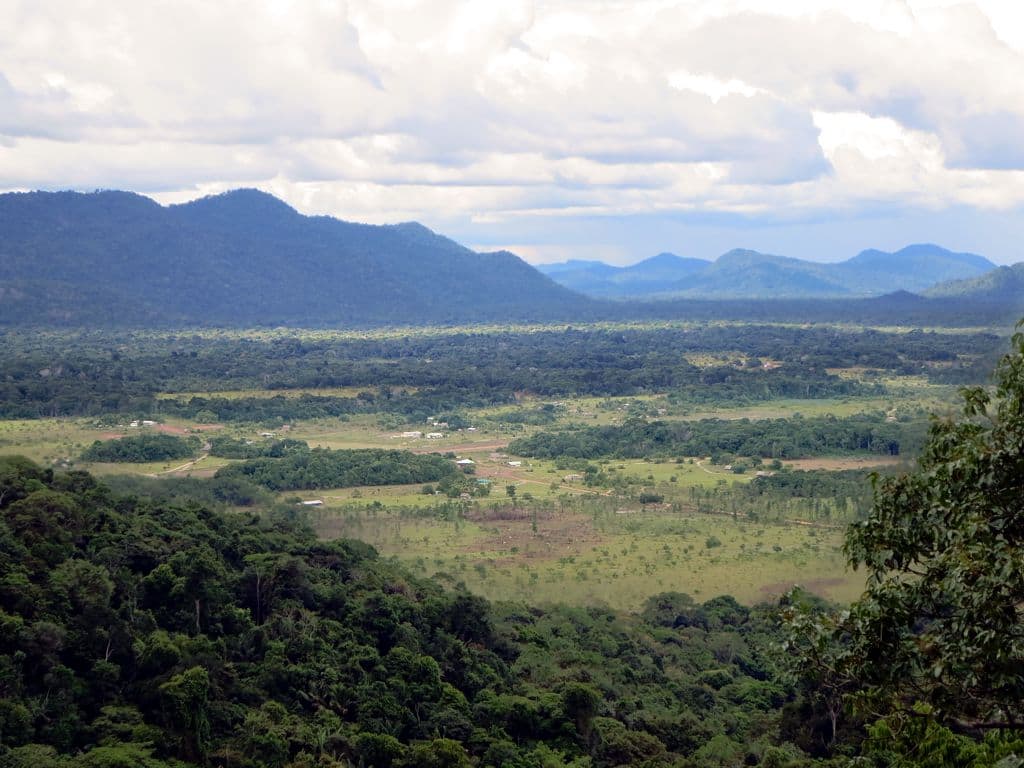
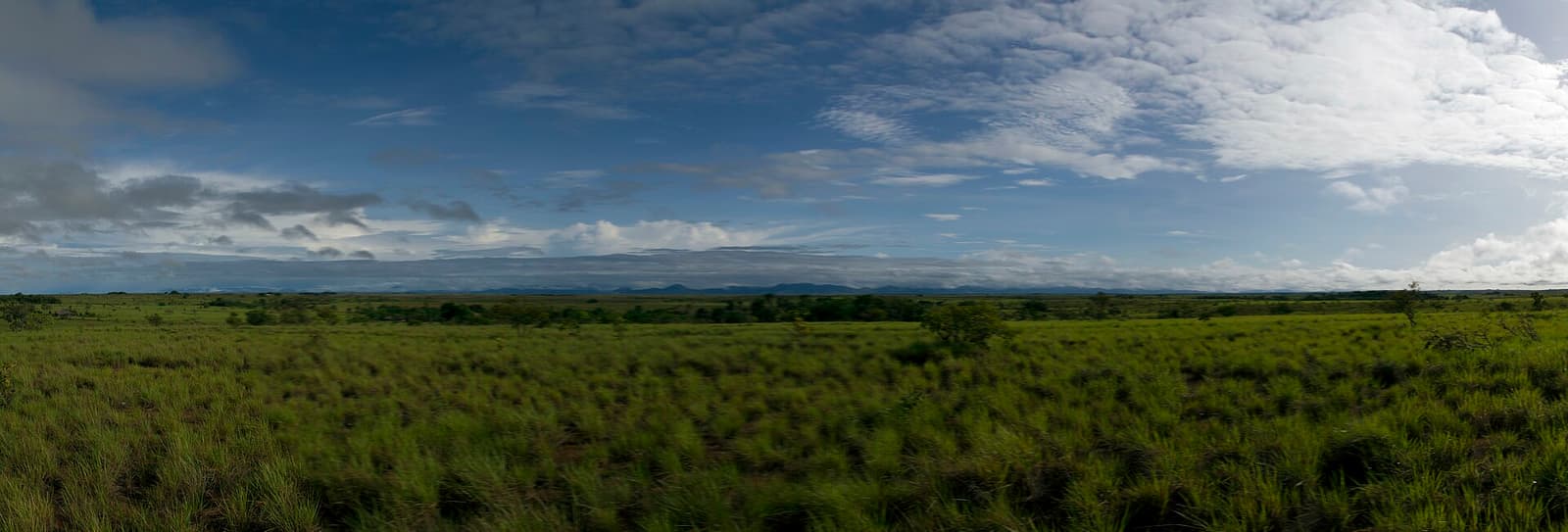
Activities are led by lodge guides and timed around dawn, late afternoon and after dark. The middle of the day is for resting in a hammock — the forest does the same.
1 The Iwokrama Canopy Walkway
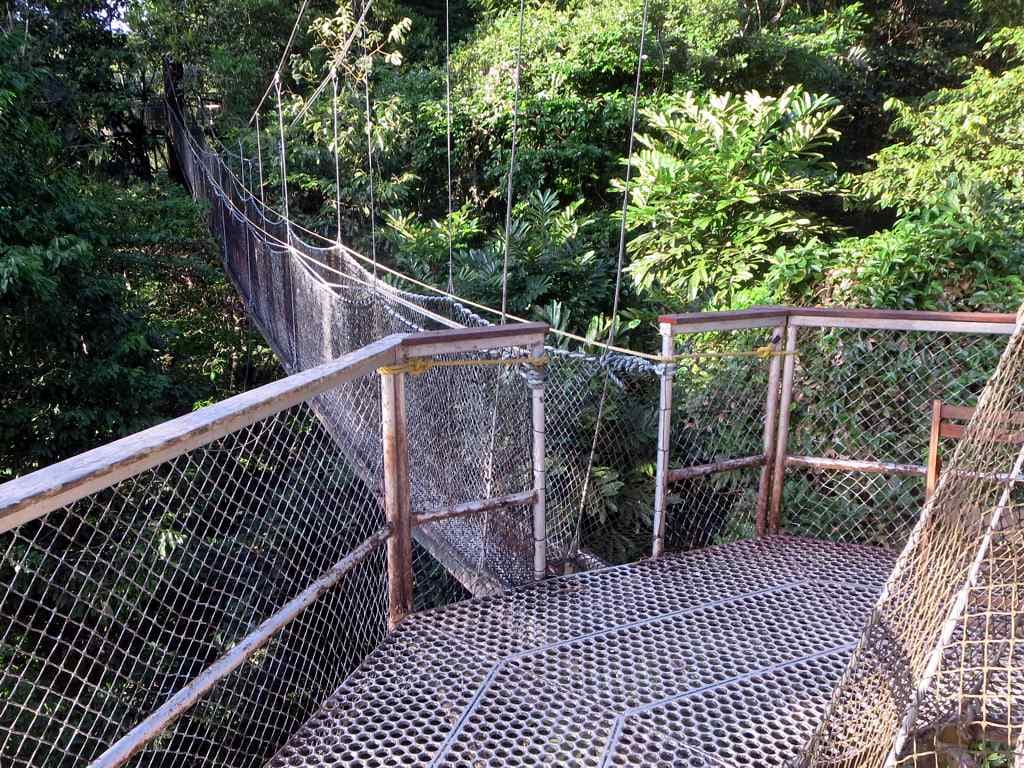
A series of suspension bridges linking platforms built around large trees, up to 30 metres above the forest floor. From the top you look across and down on the canopy: red howler and spider monkeys, toucans, macaws, cotingas and the mixed flocks that are invisible from the ground. Dawn and dusk are the best times.
Practical: Ten minutes’ walk uphill from Atta Rainforest Lodge. Included for lodge guests; day visitors pay a fee. Allow 1½–2 hours per visit.
2 The jaguar road
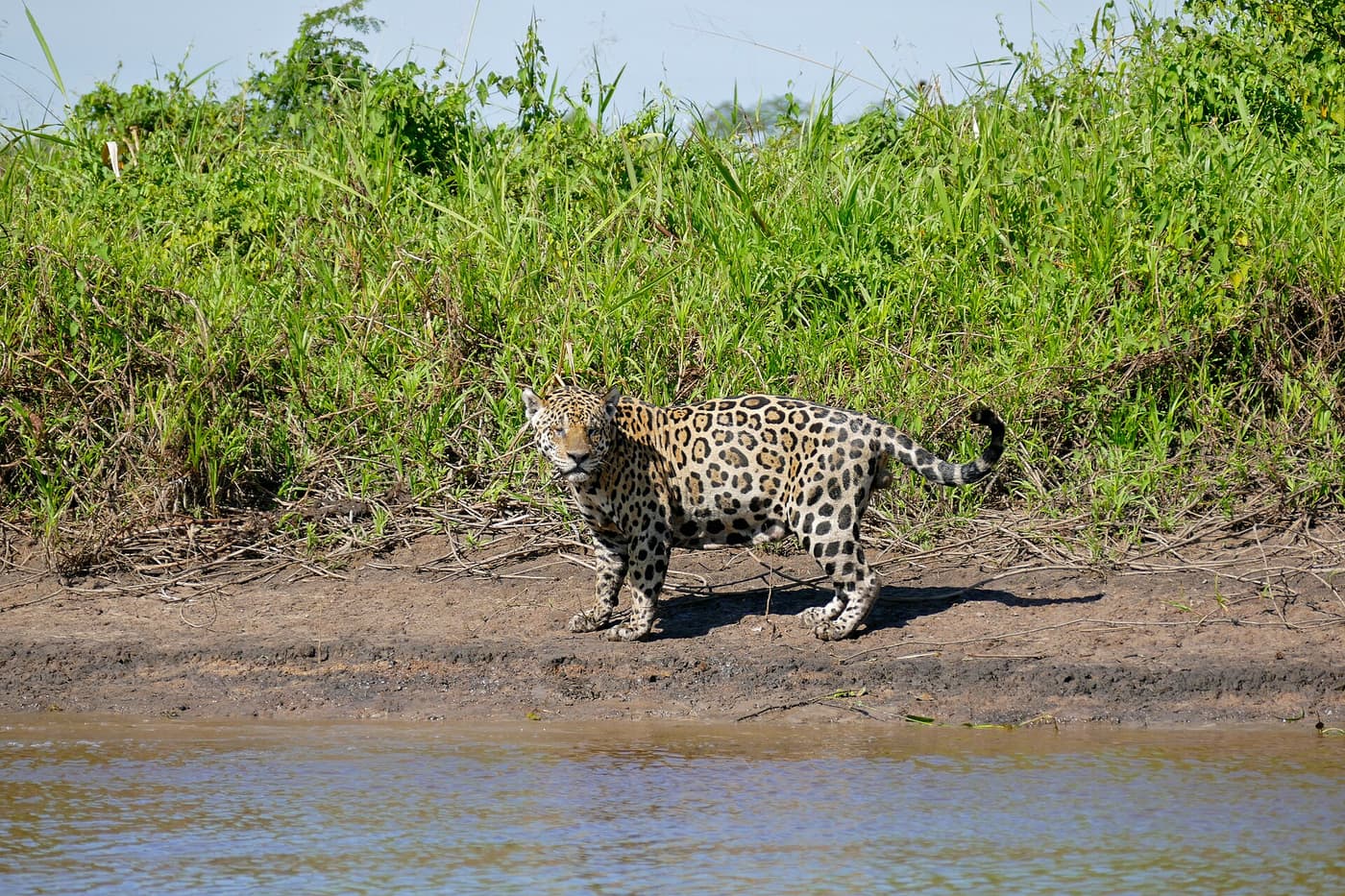
The stretch of the Georgetown–Lethem road inside the reserve is closed to through traffic at night, and big cats use it as a path. Lodges run slow drives at first and last light. Even without a jaguar you may see tapir, ocelot, curassows and trumpeters crossing.
Practical: Dawn and dusk drives arranged by the lodges; also on transfers between them. Dry-season months are best.
3 Turtle Mountain
A boat ride downstream from the River Lodge leads to a trail through tall forest and a steady climb to a rocky summit at about 300 metres. The view is of forest canopy to every horizon, with the Essequibo winding below.
Practical: Half a day. A moderately strenuous walk of 1½–2 hours up; start early. Harpy eagles have nested in the area.
4 The Essequibo and Kurupukari Falls
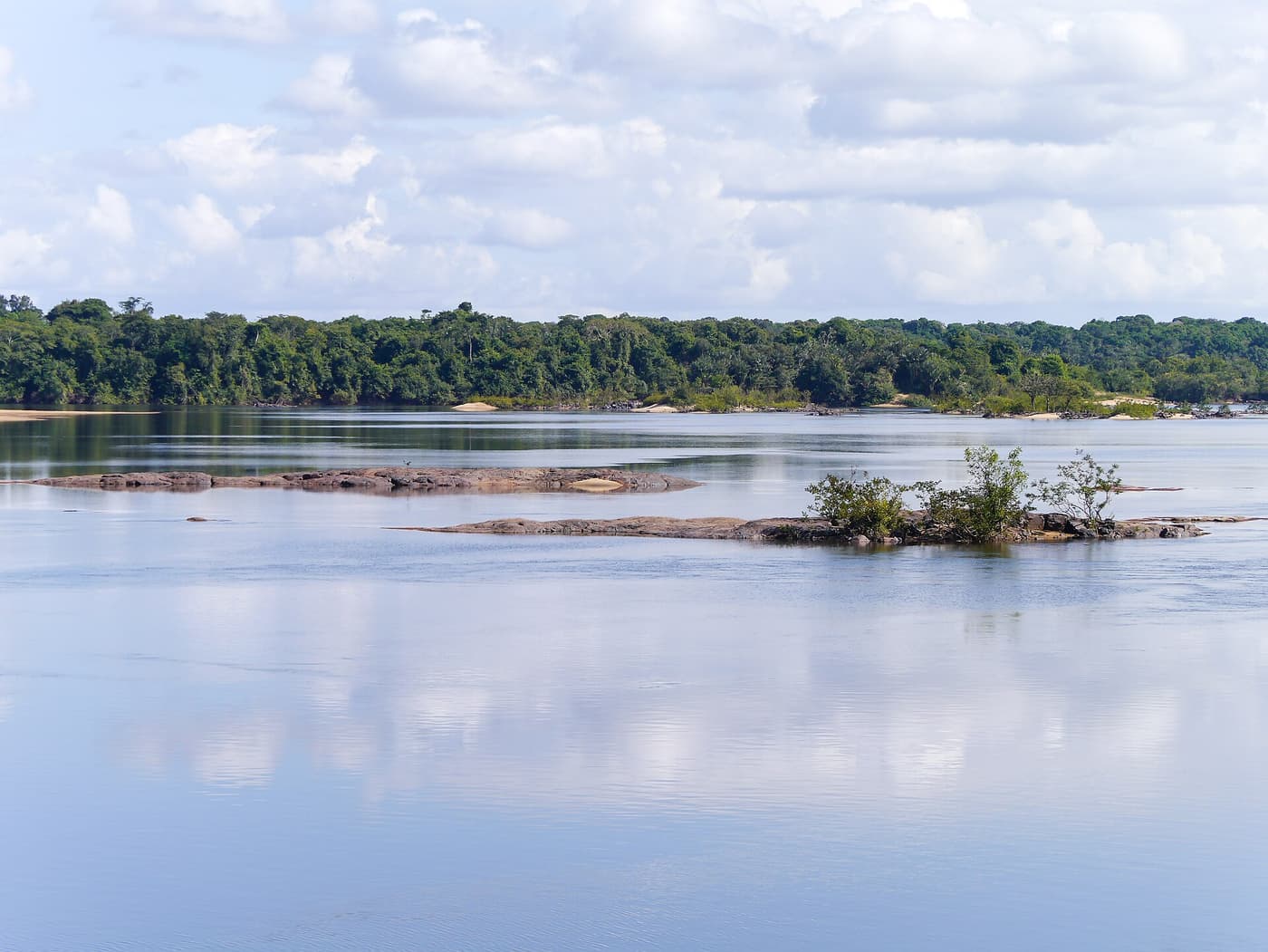
By boat you explore rapids, sandbanks and islands, with river turtles, giant otters and kingfishers. When the water is low, ancient petroglyphs are exposed on the rocks at Kurupukari.
Practical: Morning or afternoon boat trips from Iwokrama River Lodge. Petroglyphs visible mainly in the dry seasons.
5 Night spotting for caiman
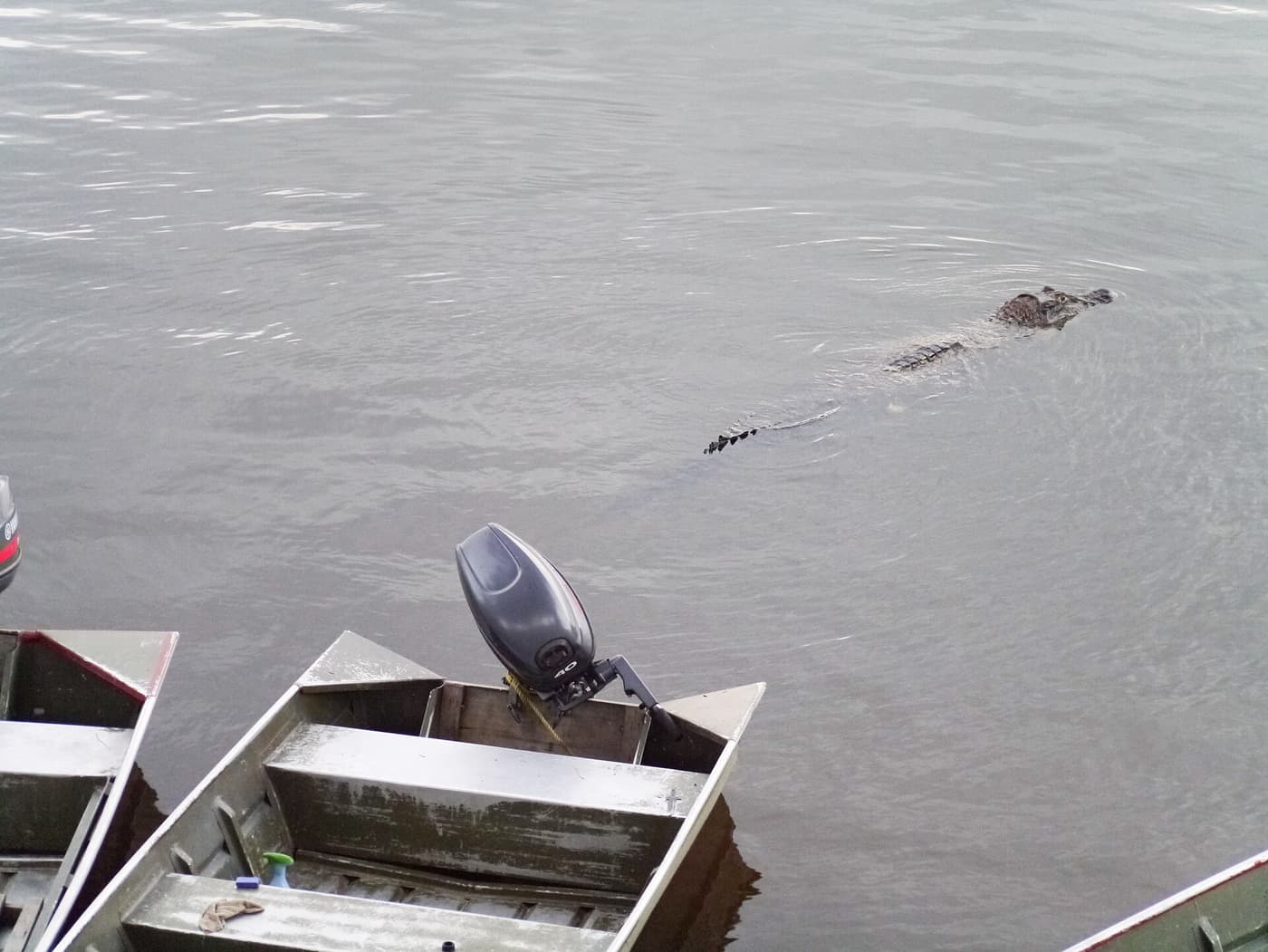
After dinner, boats drift along the bank with a spotlight picking out the red eye-shine of black and spectacled caiman, along with tree boas, sleeping birds and sometimes a paca or capybara.
Practical: About 1½ hours, from the River Lodge.
6 Forest trails and birding
Trails around both lodges are good for the forest specialities: capuchinbird, crimson fruitcrow, Guianan red cotinga, trumpeters, antbirds and, at ground level, poison-dart frogs and leafcutter ants. The clearing at Atta is visited by curassows and agoutis.
Practical: Guided walks of 1–3 hours. Wear long sleeves and closed shoes.
7 The Kurupukari crossing and Fair View
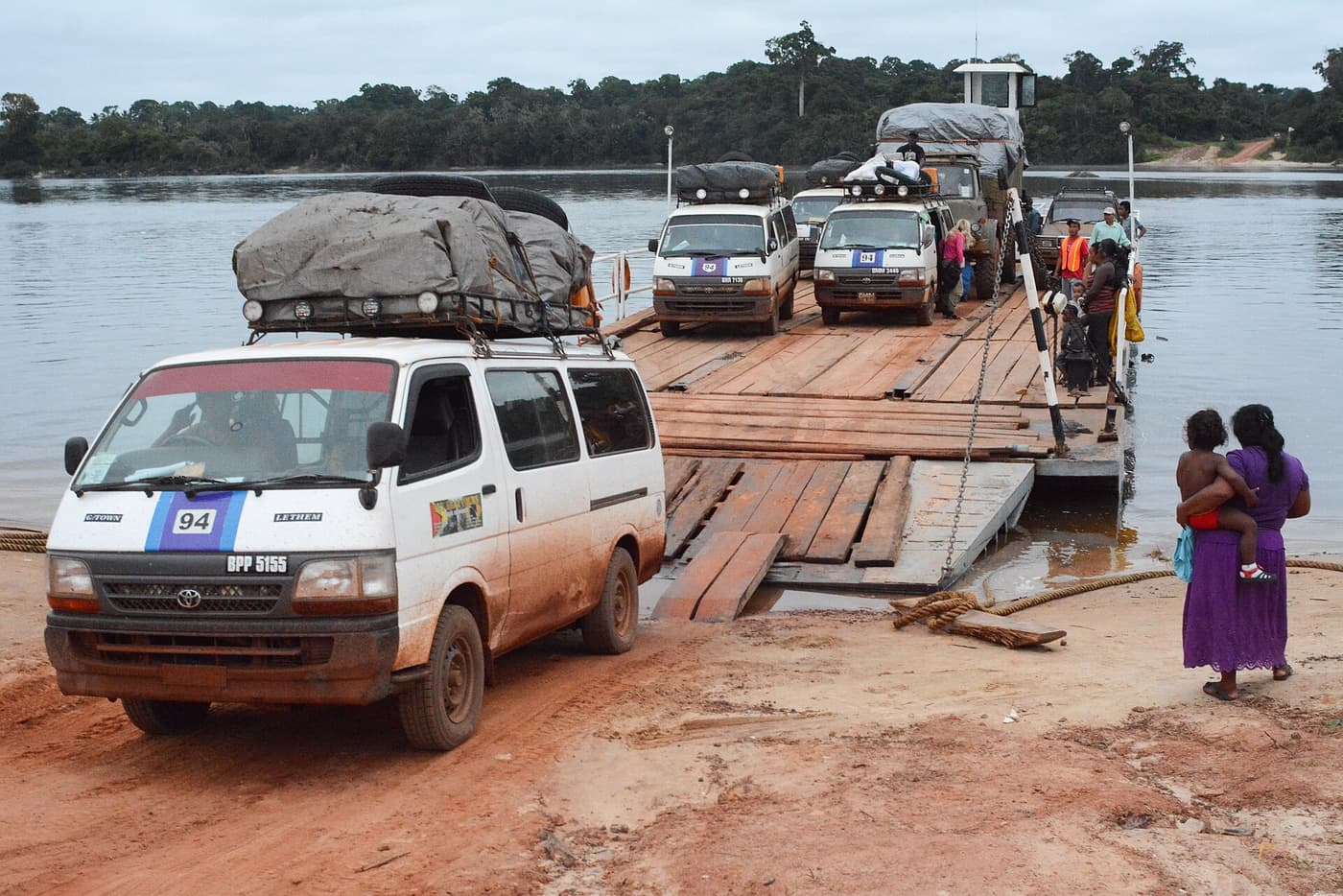
At Kurupukari the road meets the Essequibo, long crossed by a wooden pontoon ferry and the site of a new bridge. Fair View, the Makushi village beside the River Lodge, is the only community inside the reserve and welcomes arranged visits.
Practical: Village visits by arrangement through the lodge.