Skip to content
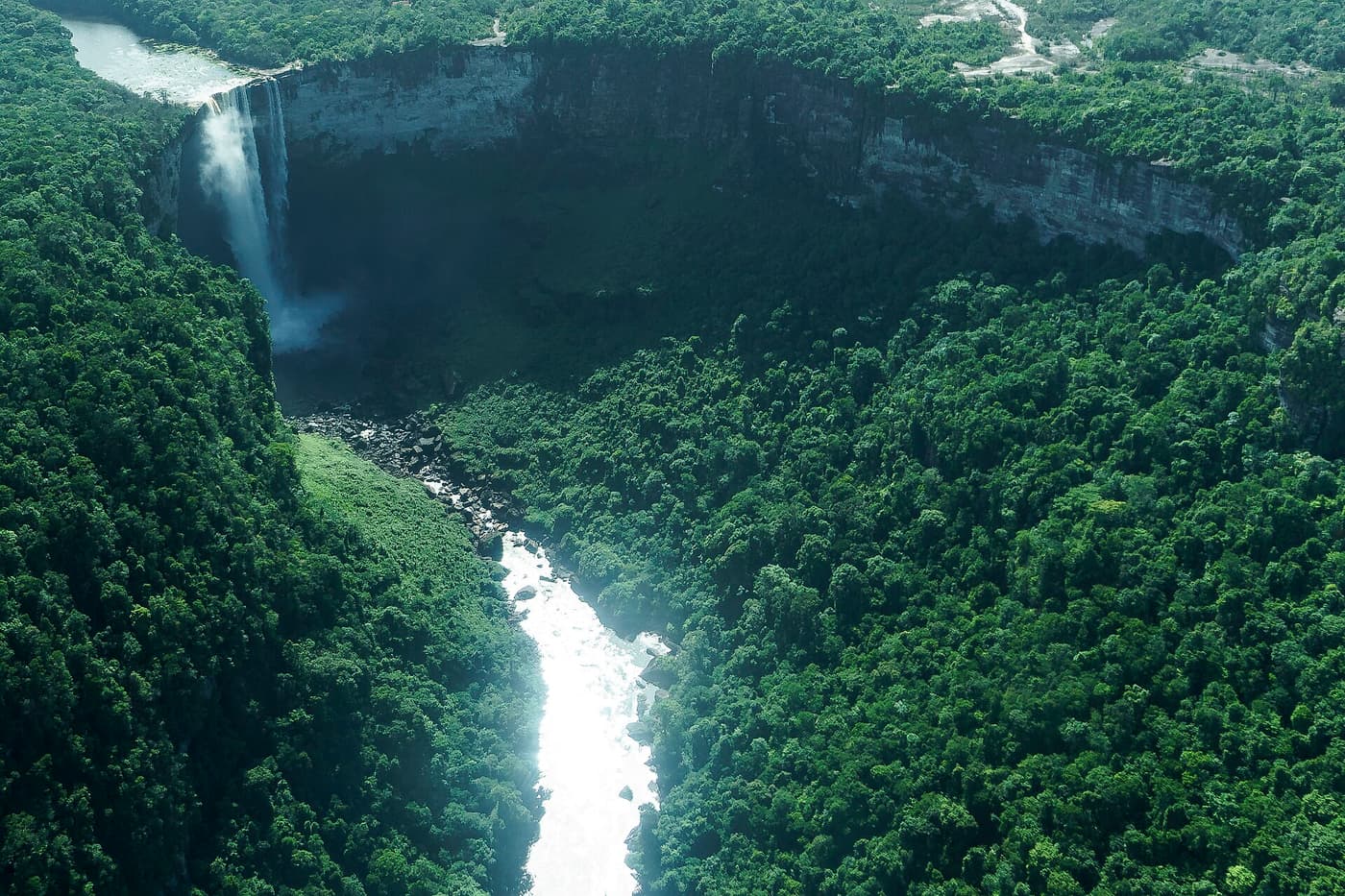
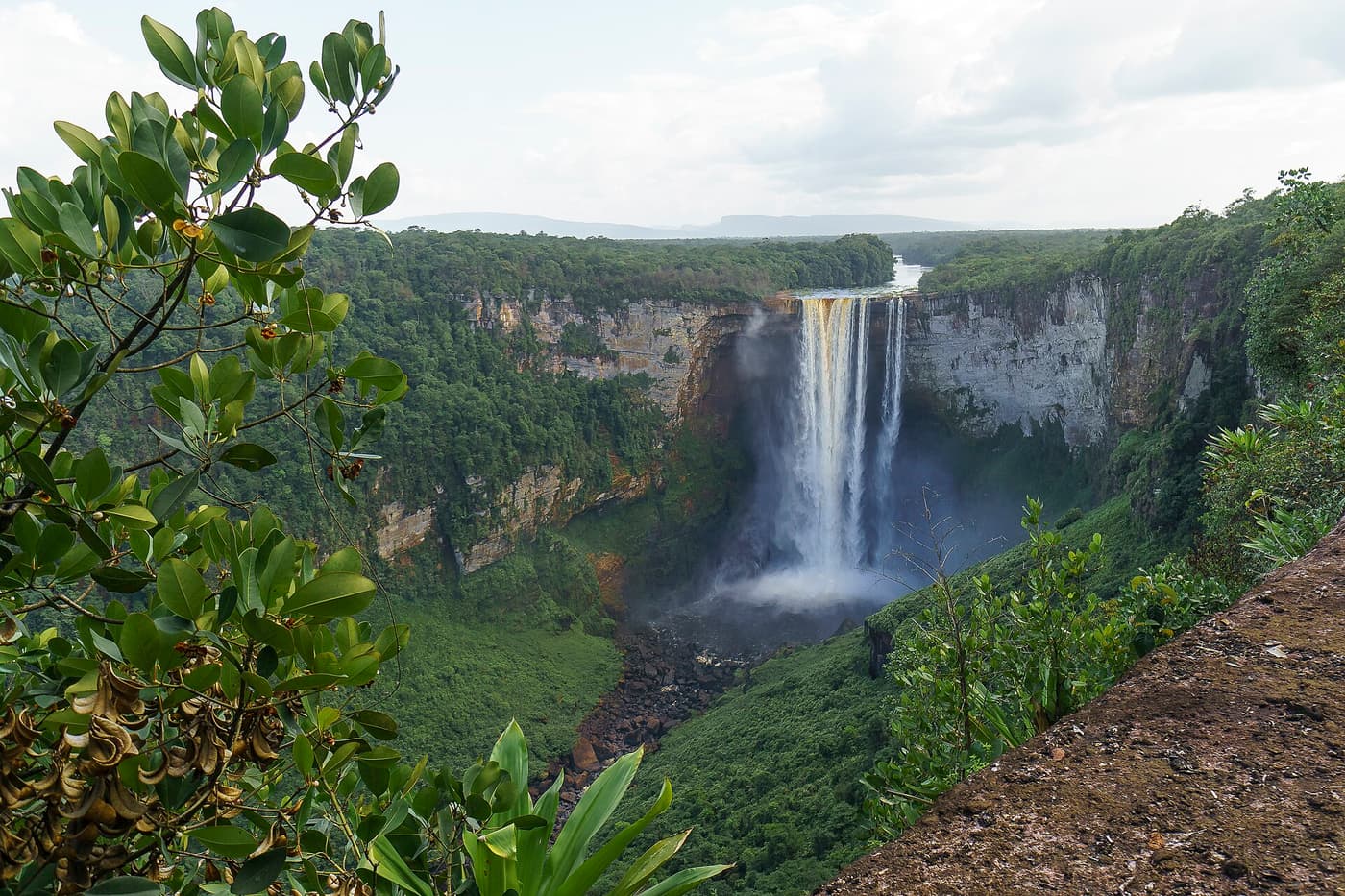
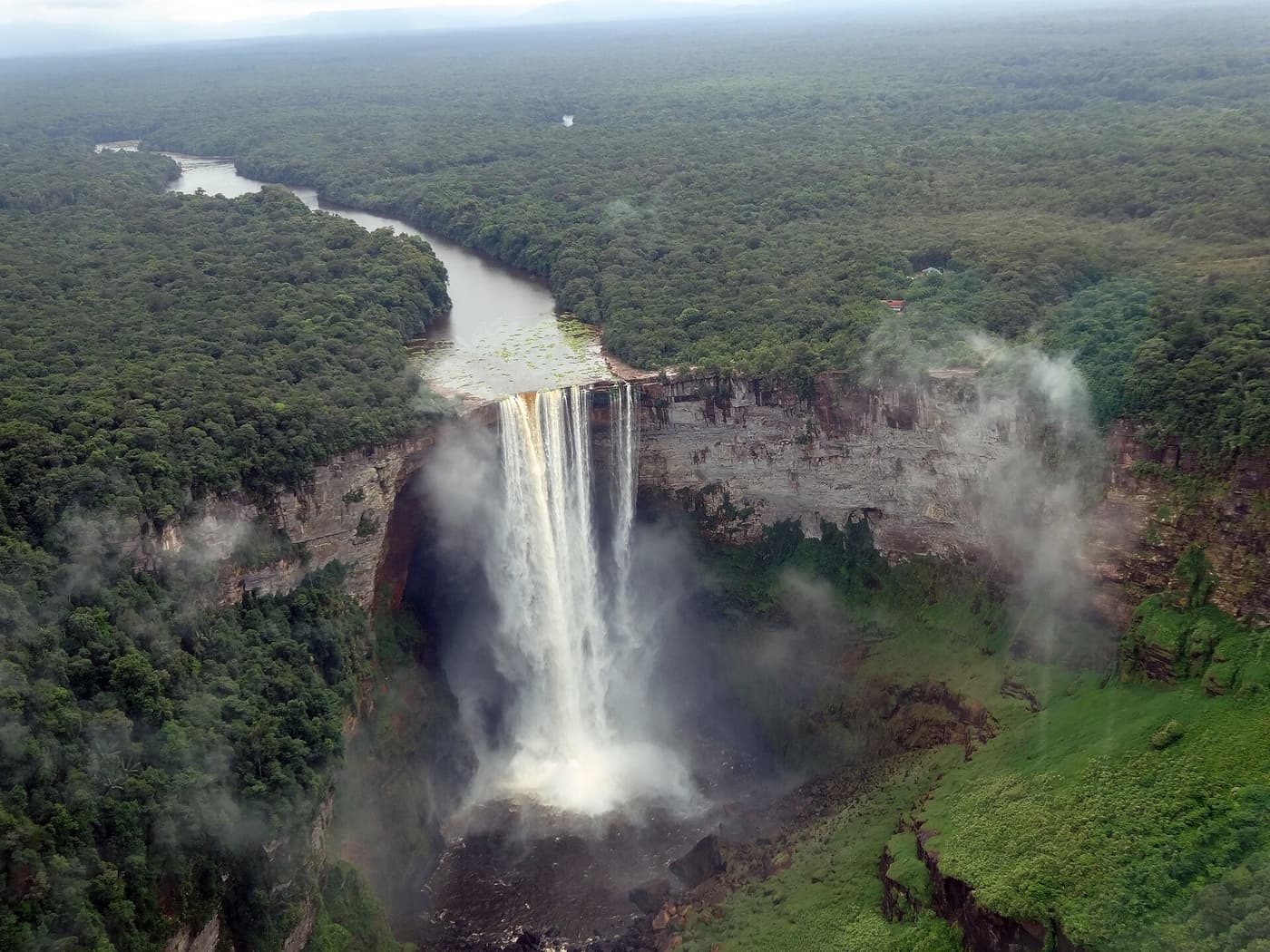
Kaieteur Falls dropping from the edge of the plateau into its forested gorge
The independent guide to Guyana

Guyana: one great waterfall, endless rainforest and almost no crowds

An English-speaking corner of South America where small aircraft, river boats and community lodges replace motorways and resorts. Eleven destination guides, honest booking advice and realistic routes.

11 destination guidesReal GetYourGuide products onlyHonest about what must be booked locally
Why Guyana

South America’s least-known wilderness

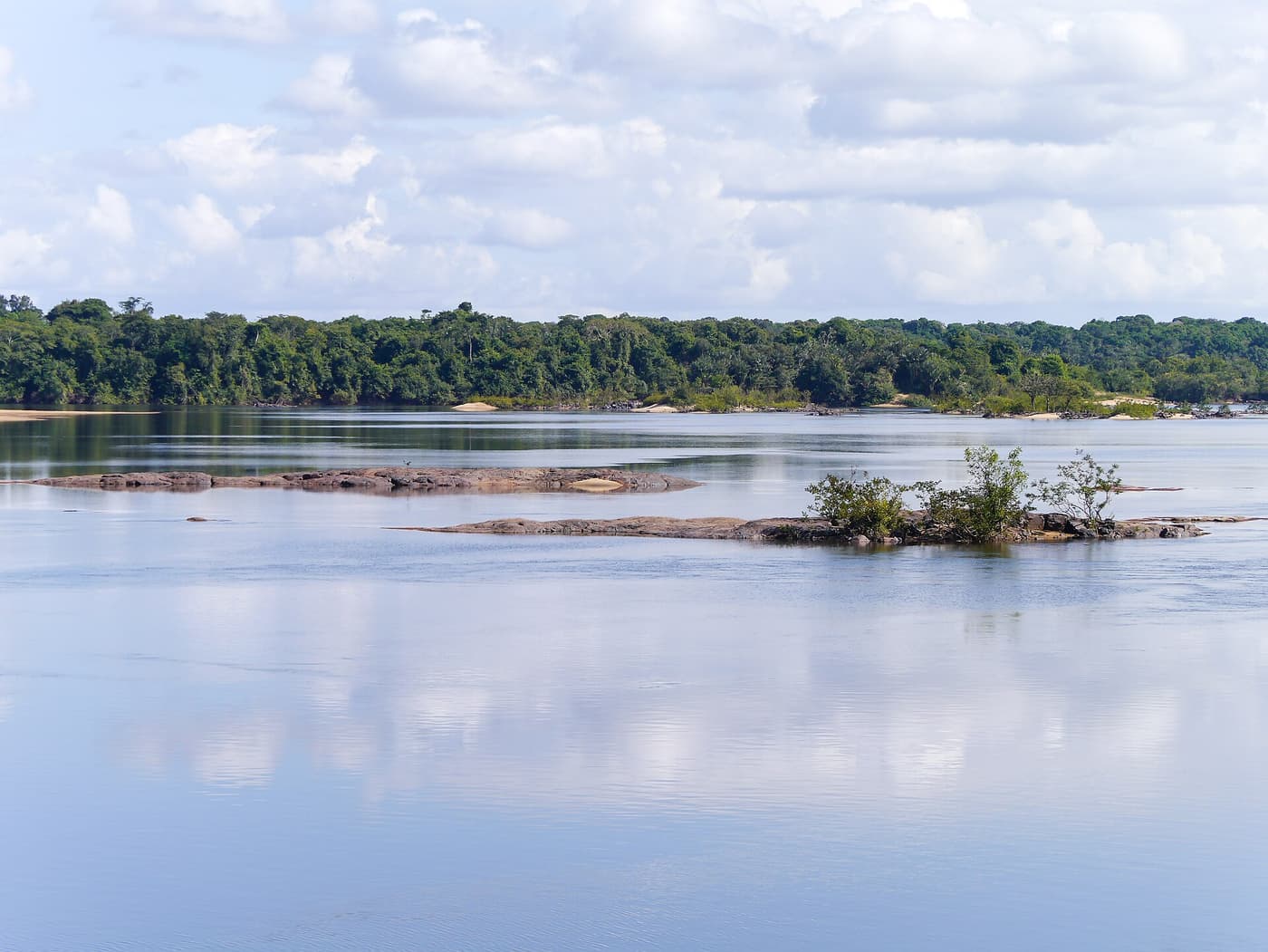
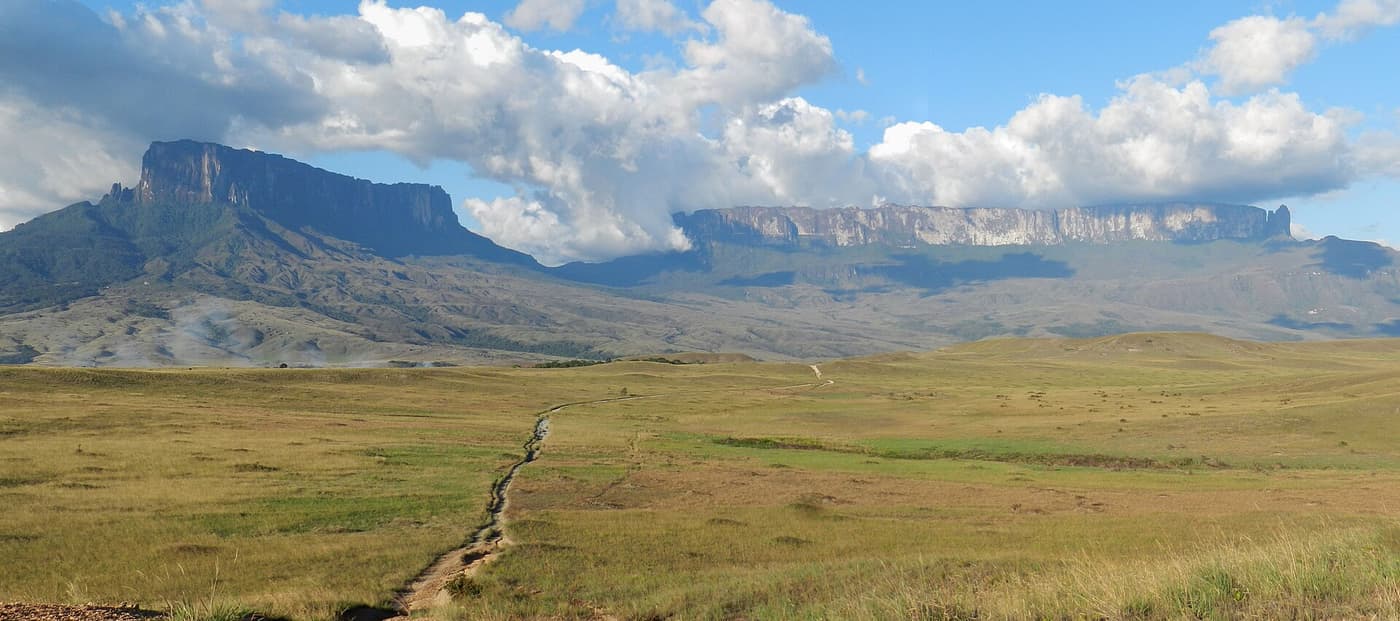
Guyana is about the size of Great Britain and has fewer than a million people, nearly all of them on a narrow coastal strip. Behind the coast lie rainforest that is still largely intact, the tabletop mountains of the Pakaraimas and the open savannahs of the Rupununi.

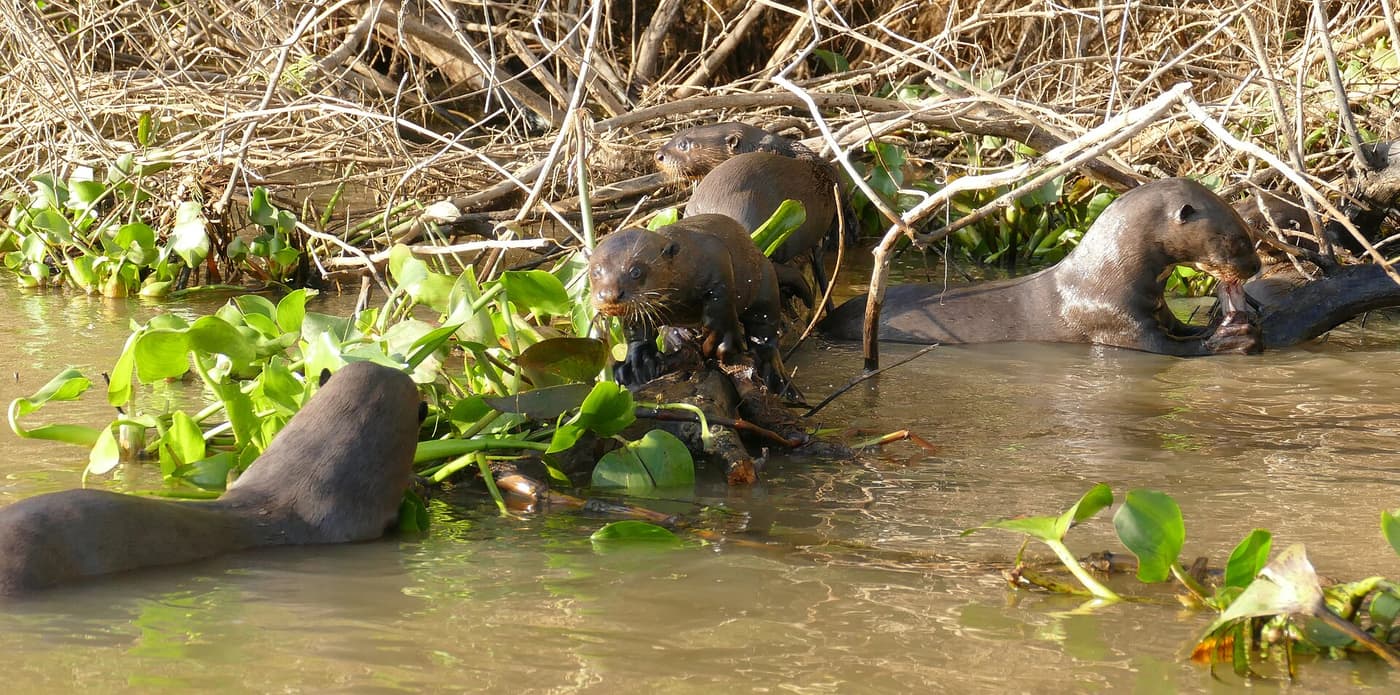
Visitors come for Kaieteur Falls, for wildlife that is hard to see elsewhere — giant otters, giant anteaters, harpy eagles, jaguars, arapaima — and for lodges run by Indigenous communities. It is not a cheap or an easy country to travel in, and that is exactly why it is still so quiet.

226 mthe single drop of Kaieteur Falls
800+bird species recorded
2wet seasons a year on the coast
Englishthe official language
A giant anteater in dry savannah grass at Karanambu
Where to go

Guyana’s destinations

Each destination has its own mini-guide: tours, things to see, getting there, practical tips and when to go.

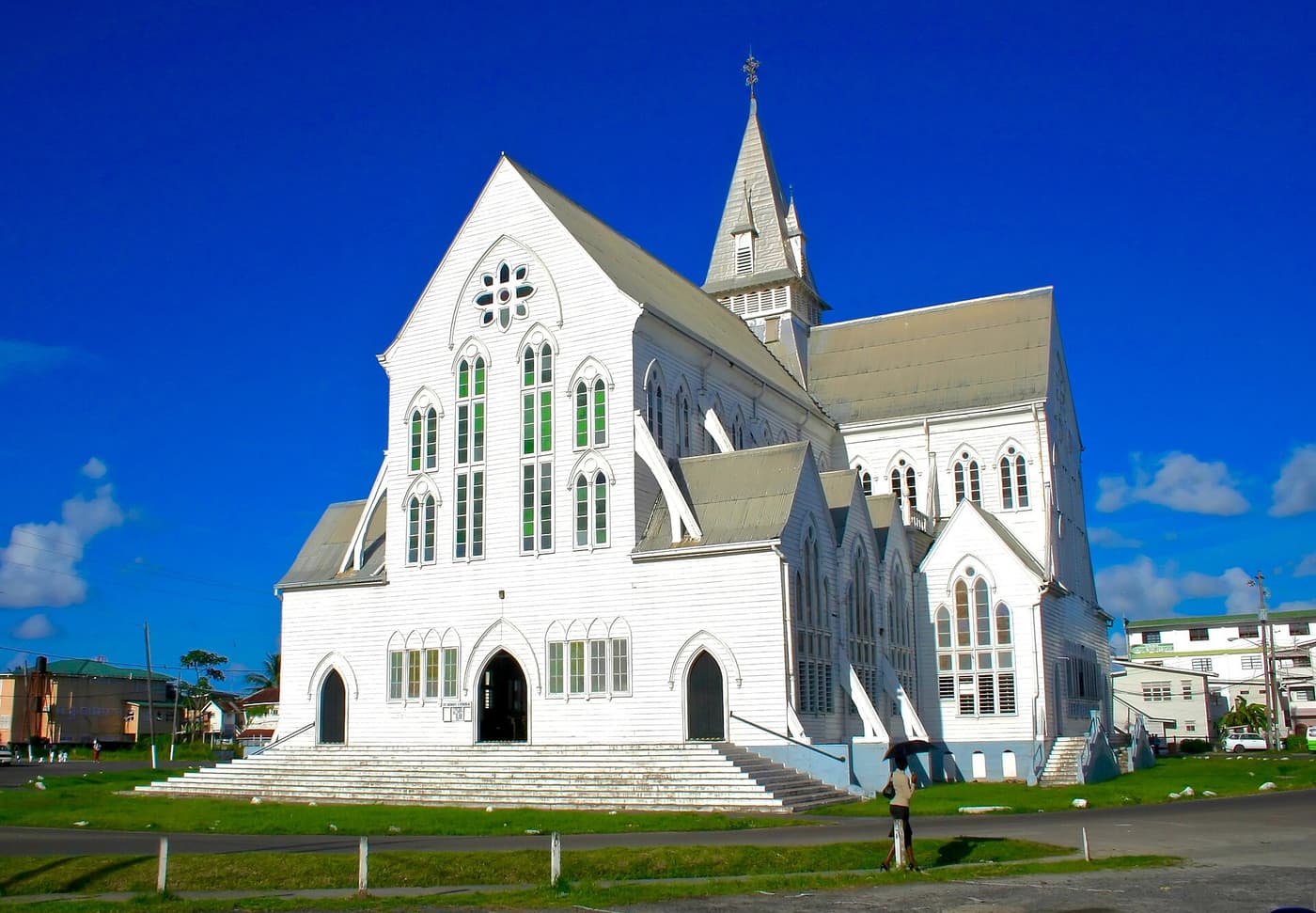
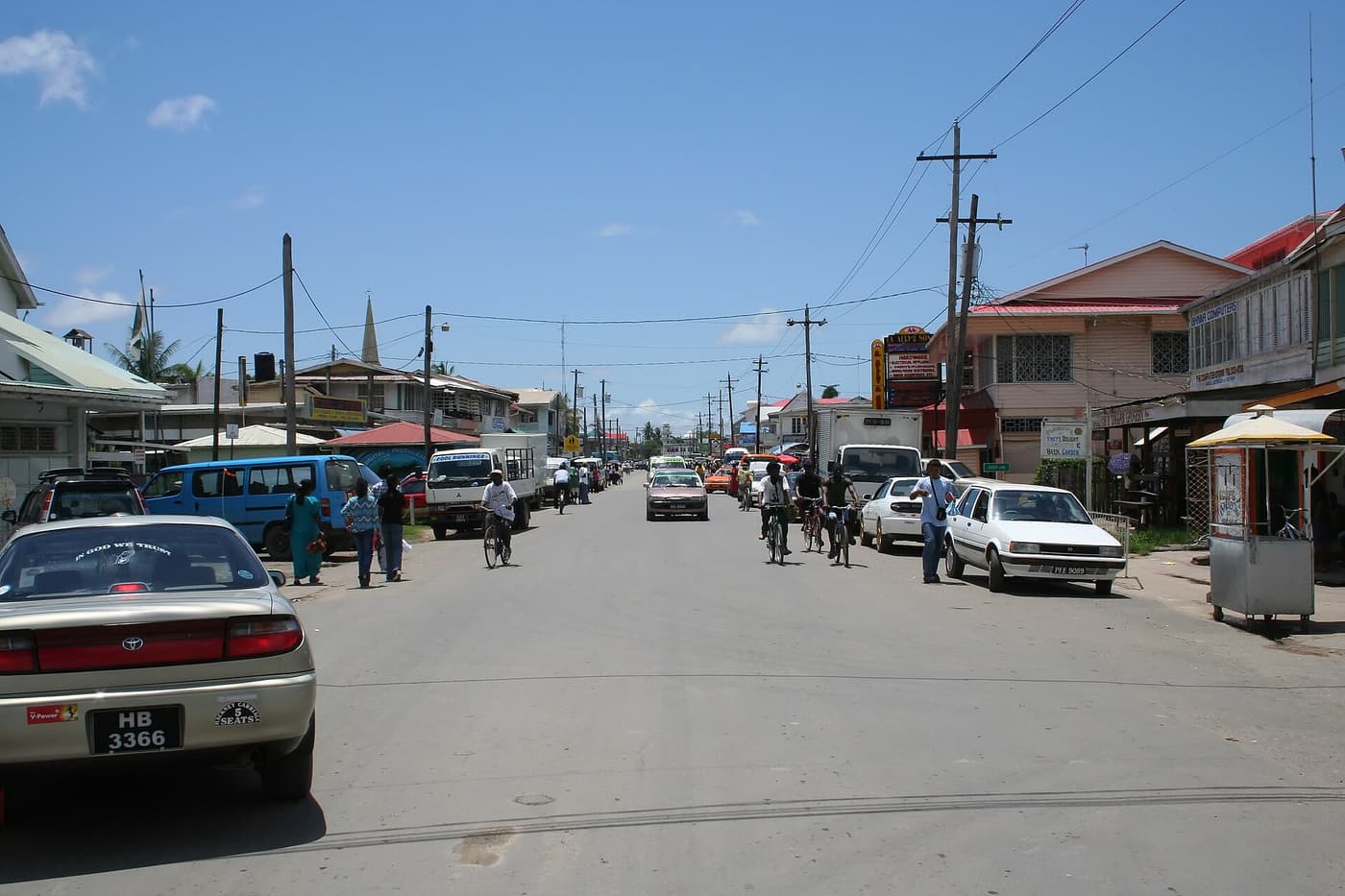
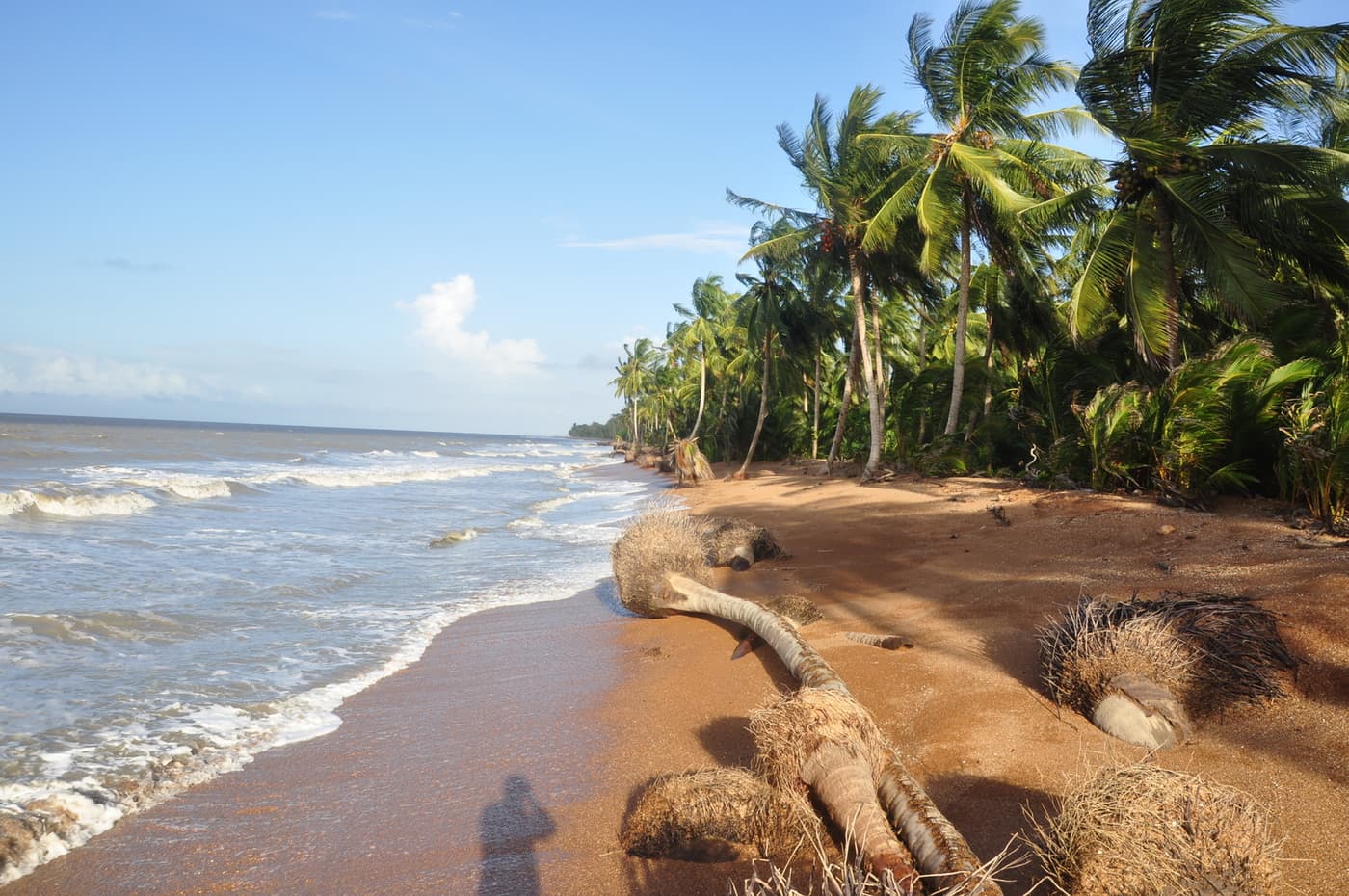
Georgetown & the coast

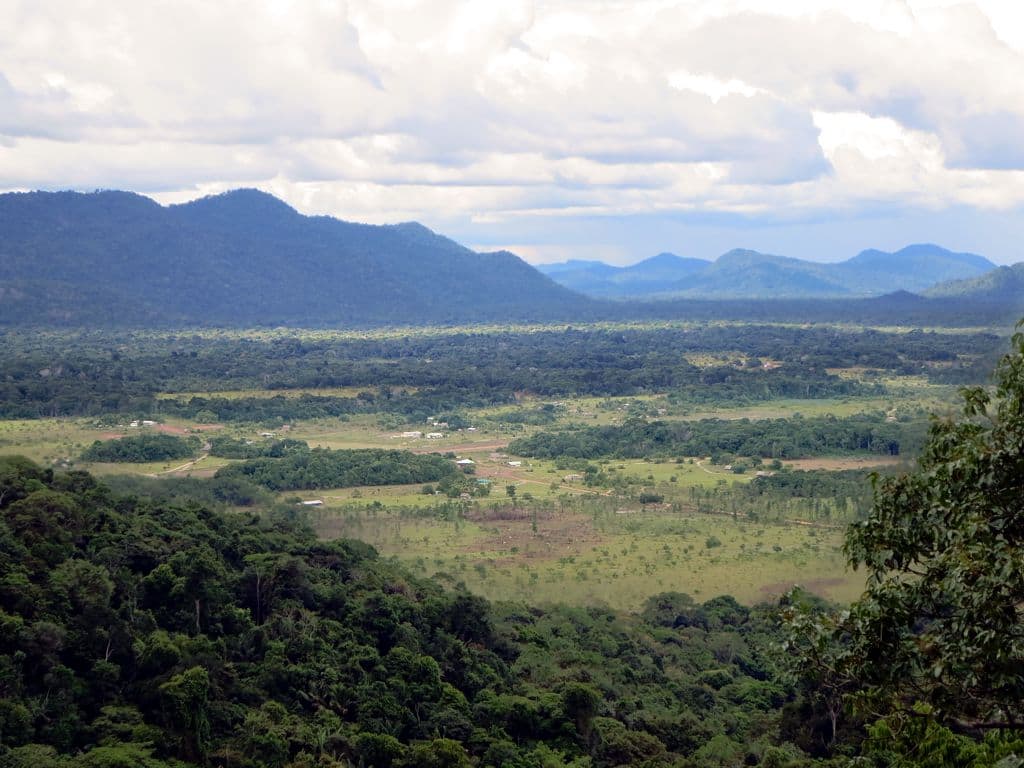
Rainforest & highlands

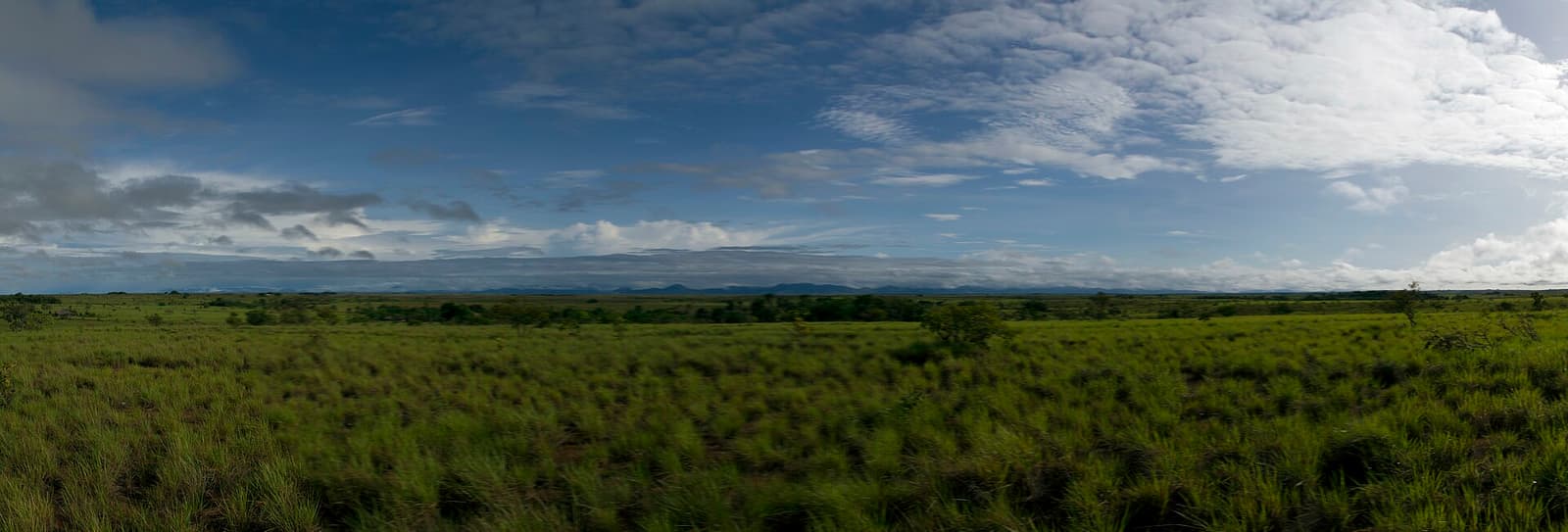
The Rupununi savannahs

Regions at a glance

Which part of Guyana suits you?

Three very different landscapes. Most trips combine the coast with one or two interior regions.

RegionWhat it is likeBest forHow you get aroundTime needed
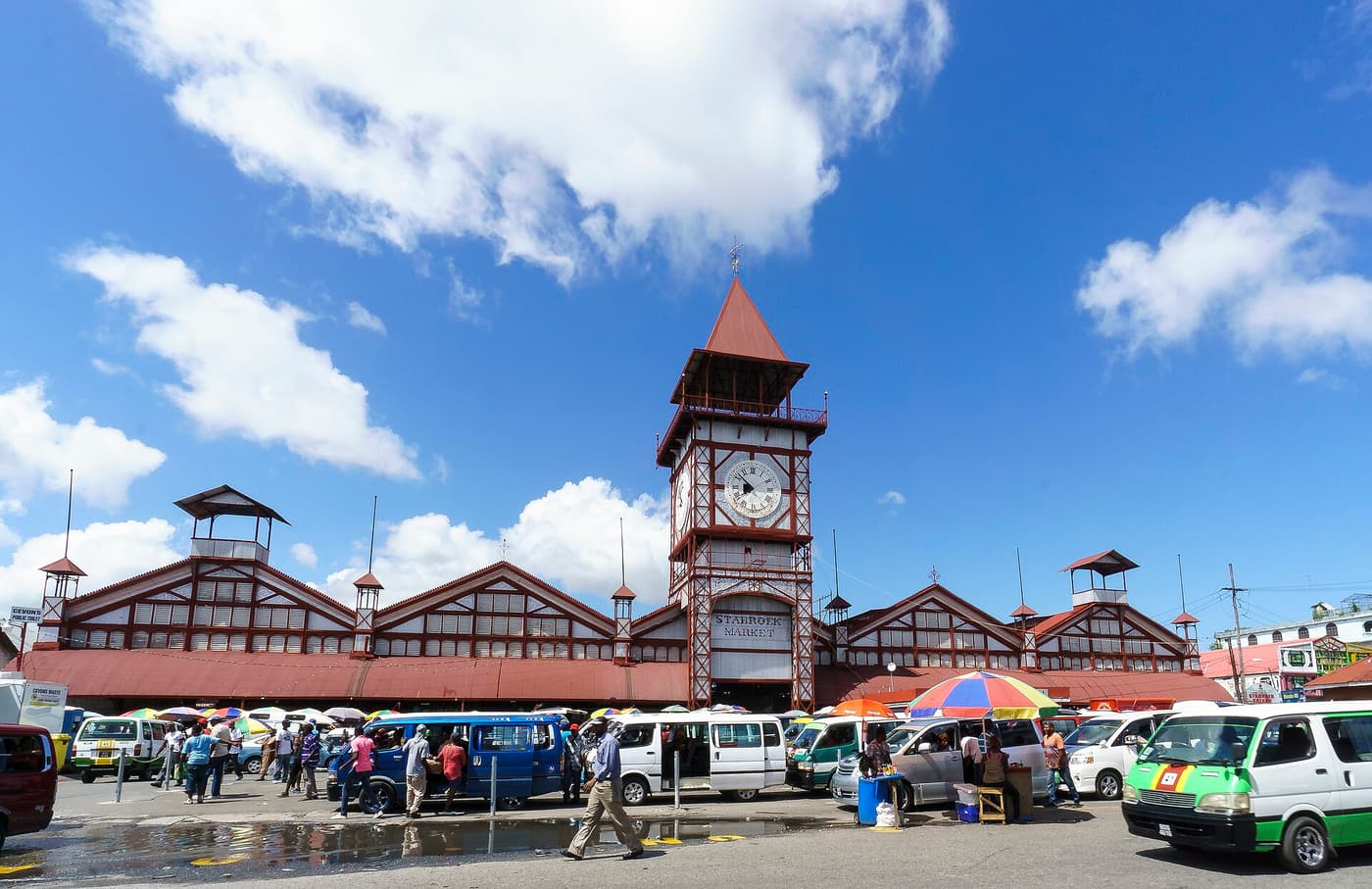
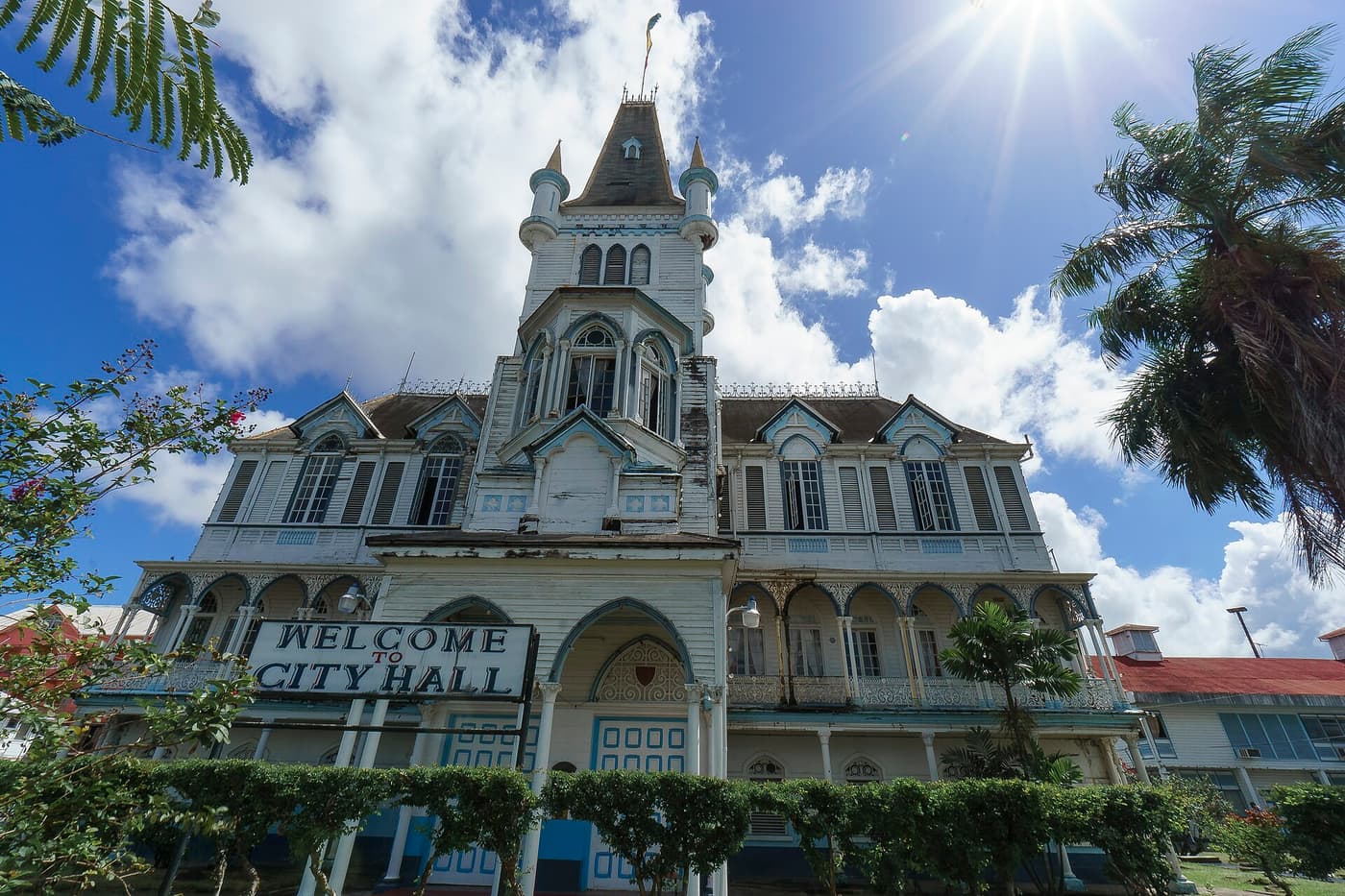
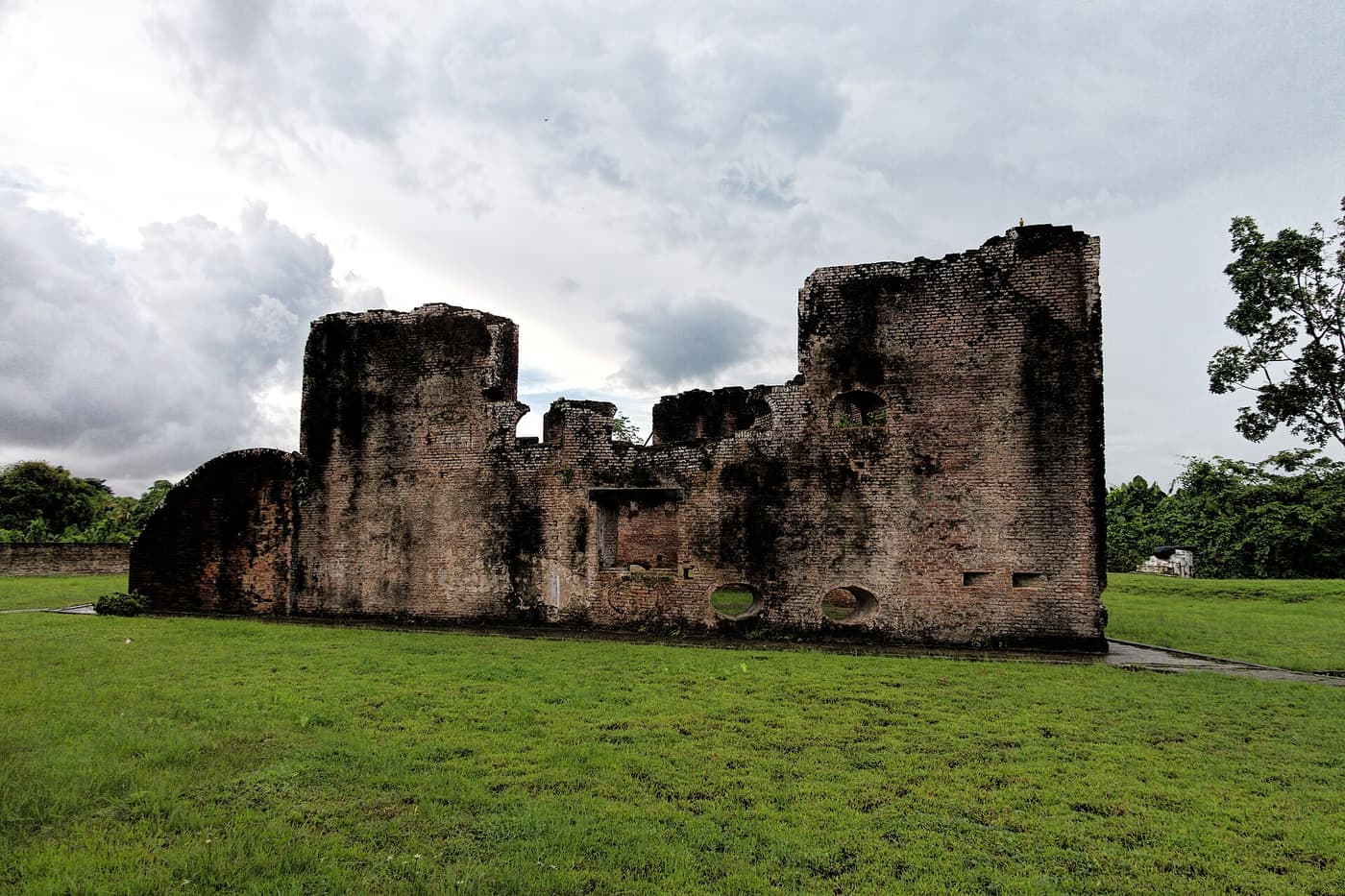
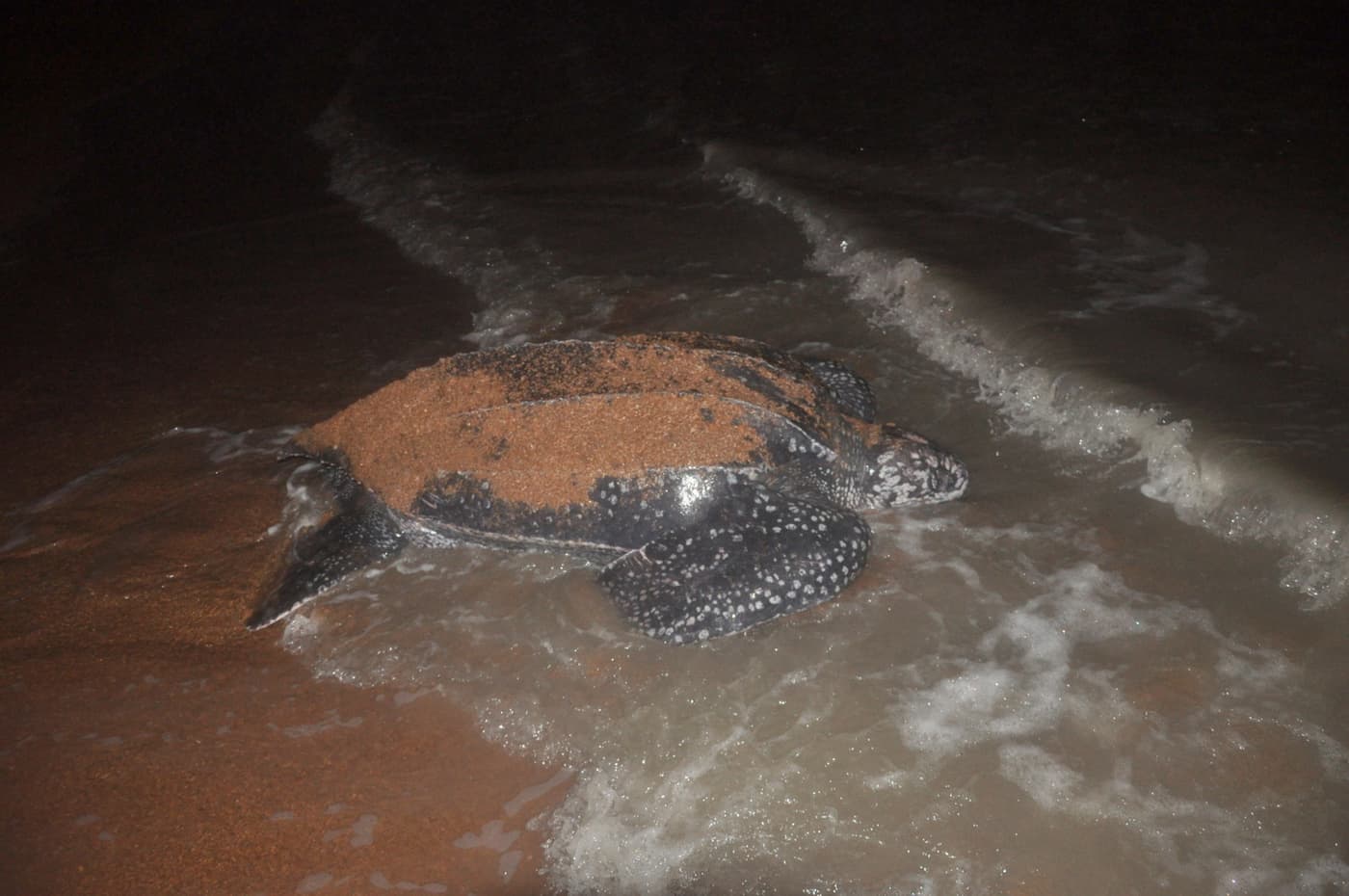
Georgetown & the coastFlat, cultivated, Caribbean in culture; rivers kilometres wideArchitecture, food, markets, the Essequibo, Berbice, turtles at Shell BeachTaxis, minibuses, speedboats2–4 days
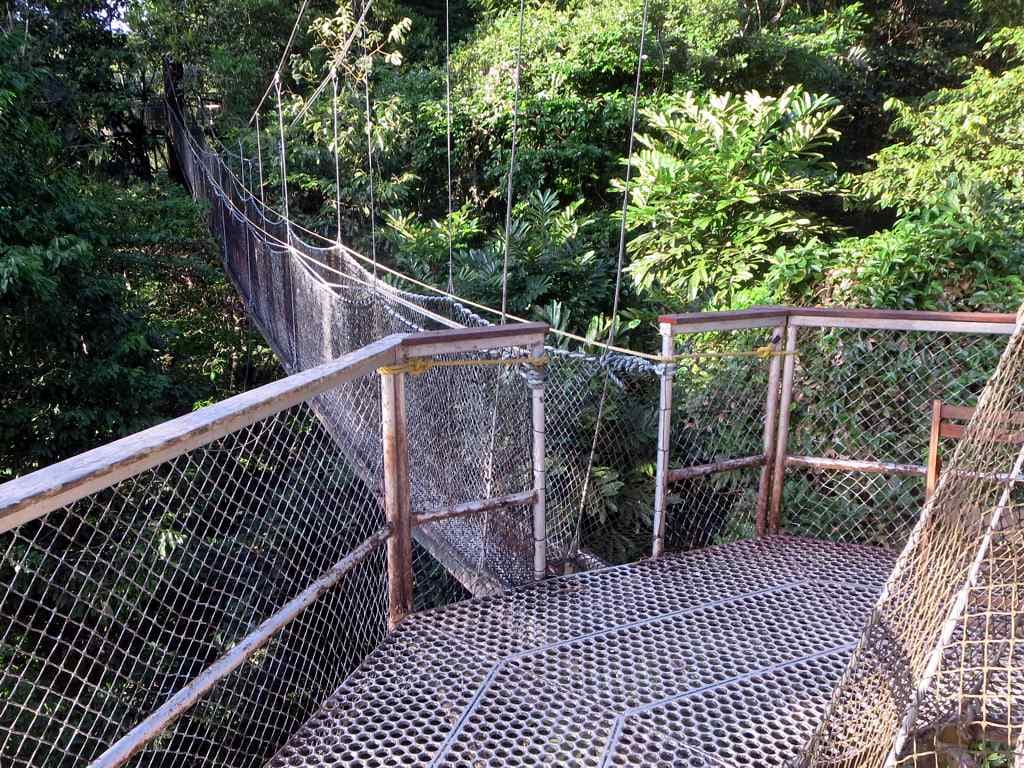
Rainforest & highlandsUnbroken forest, tabletop mountains, big waterfallsKaieteur Falls, Iwokrama, the canopy walkway, jaguars, birdingSmall aircraft, 4x4, river boat1 day (Kaieteur) to 5 days
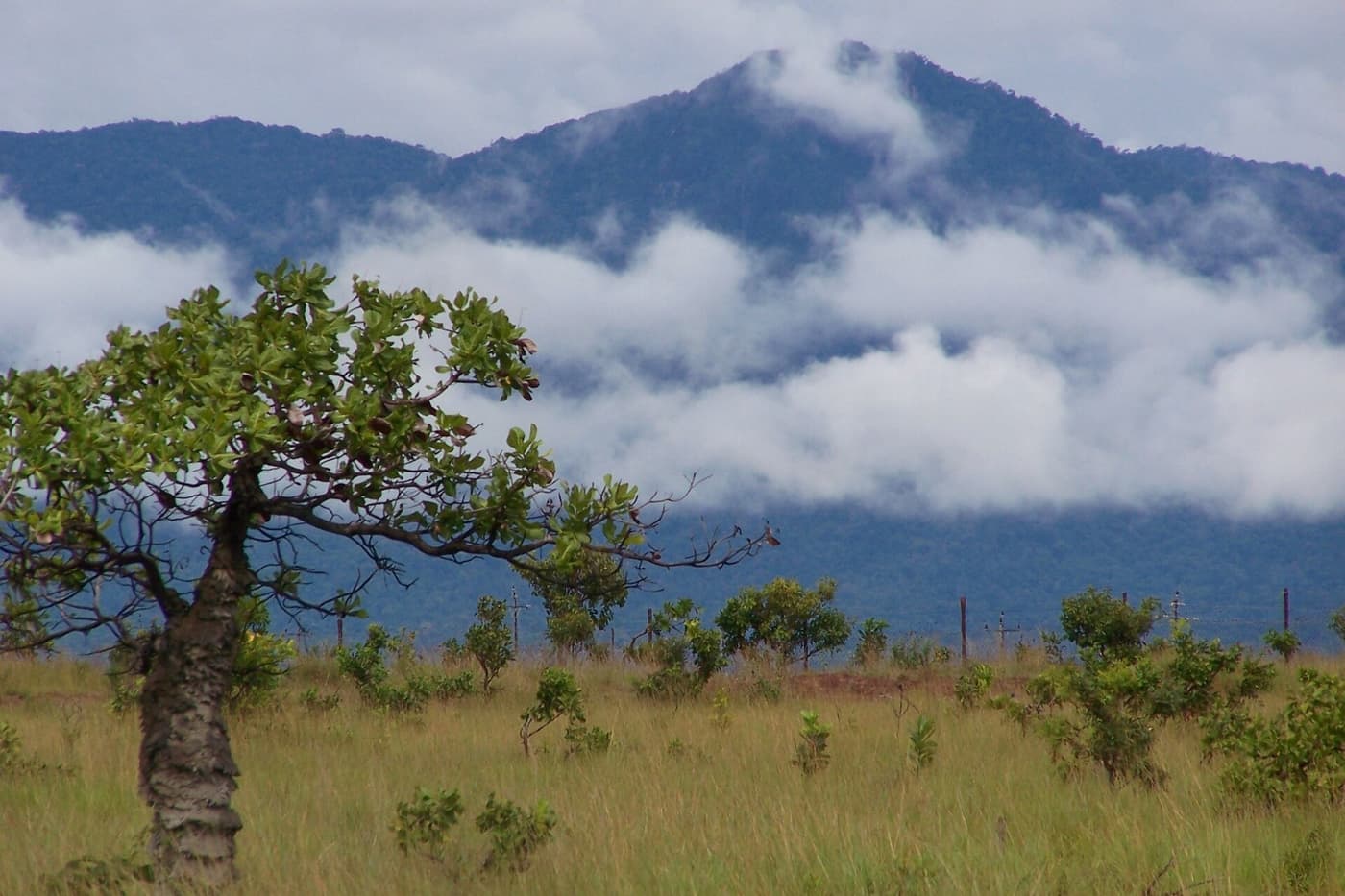
The Rupununi savannahsOpen grassland, ranches and Indigenous villages below forested mountainsGiant otters, giant anteaters, community lodges, the Easter rodeoFlights to Lethem or Annai, 4x4, boat4–8 days
Tours you can book online

Guyana on GetYourGuide

Only a handful of Guyana products are sold online, nearly all starting in Georgetown. These are real listings; the interior is booked through local operators and lodges, and we explain how.

Powered by GetYourGuide
When to go

Guyana’s seasons in brief

February–April: main dry season

The most dependable months on the coast and in the forest. Trails are drier and the savannah is easy to cross. Easter brings the Rupununi Rodeo.

May–August: long rains

The heaviest rain of the year. Kaieteur is at its most powerful, but the Rupununi floods, some roads close and flights are delayed more often.

September–November: second dry season

Hot, dry and excellent for wildlife on falling rivers. Often the best overall window for the interior.

December–January: short rains

A shorter wet spell on the coast and in the forest; the Rupununi is usually dry. Christmas is a big family holiday.

Where to stay

City hotels and rainforest lodges

Georgetown’s hotels can be booked online. Most interior lodges cannot — the links below open the Trip.com search for the nearest town it lists.

Plan your Guyana trip

Secure the parts of Guyana you can book online

Seats on the small aircraft to Kaieteur Falls are limited and flights need a minimum number of passengers. Compare what is bookable from Georgetown, check live prices and reserve before you fly in.

Good to know

Guyana: the questions first-time visitors ask

Frequently asked questions

Is Guyana worth visiting?

Yes, if you want wilderness and wildlife rather than beaches and nightlife. Kaieteur Falls alone justifies the flight, and the interior lodges offer encounters that are hard to find elsewhere in South America. It suits travellers who are comfortable with basic comforts, changes of plan and higher costs.

Is Guyana expensive?

For South America, yes. Georgetown hotels cost about what they would in a Caribbean capital, and the interior is pricey because everything — guests, food, fuel — arrives by small plane, 4x4 or boat. See costs in the travel guide.

Can I travel around Guyana independently?

On the coast, easily. In the interior it is possible but slow: there is one long unpaved road, few buses, and lodges need to know you are coming. Most visitors book the interior through a Georgetown-based operator or directly with the lodges. See getting there and around.

What language is spoken in Guyana?

English is the official language, and Guyanese Creole is what you will hear in the street. Nine Indigenous languages are spoken in the interior, and Portuguese is common near the Brazilian border.

Is Guyana safe?

The interior lodges and villages are generally considered calm. Georgetown has a street-crime problem and most government advisories recommend extra care there, particularly after dark. Sensible habits — taxis at night, no valuables on show — go a long way. Read the safety section and your own government’s current advice.

Do I need a visa?

Citizens of many countries, including much of Europe, North America and the Caribbean, have been able to enter without a visa for short tourist stays, but the rules change. Check the official Guyanese sources or your nearest embassy before booking.